Leave Your Message

How to Choose the Best Steel Fire Door With Window in 2026?

Choosing a Steel Fire Door With Window in 2026 means balancing visibility, safety, and everyday use. The glass may brighten a corridor or help staff see approaching visitors. But appearance alone cannot show whether a door assembly is suitable for its intended location. The frame, glazing, seals, hardware, and installation all matter.

Fire researcher Steve Kerber is associated with the practical reminder, “Close Before You Doze,” from UL Fire Safety Research Institute’s campaign. The message is about closing doors during a fire, not choosing a particular product. Still, it points to an important principle: a fire door works as part of a complete system. A window must be designed and tested for that assembly, rather than treated as an ordinary glass insert.

This guide explains what to check before comparing models: the required fire rating, compatible glazing, labels and documentation, frame construction, hardware, and installation details. It also considers visibility, maintenance, and the way the door will be used each day. Requirements can differ by building and location, so confirm the applicable standards with qualified professionals and local authorities. A product brochure is useful, but it cannot answer every site-specific question. And the glass can distract. Look beyond it. A careful choice starts with evidence for the complete door assembly, then considers appearance and budget.
How to Choose the Best Steel Fire Door With Window in 2026?

Define the Door’s Location, Purpose, and Required Fire Rating

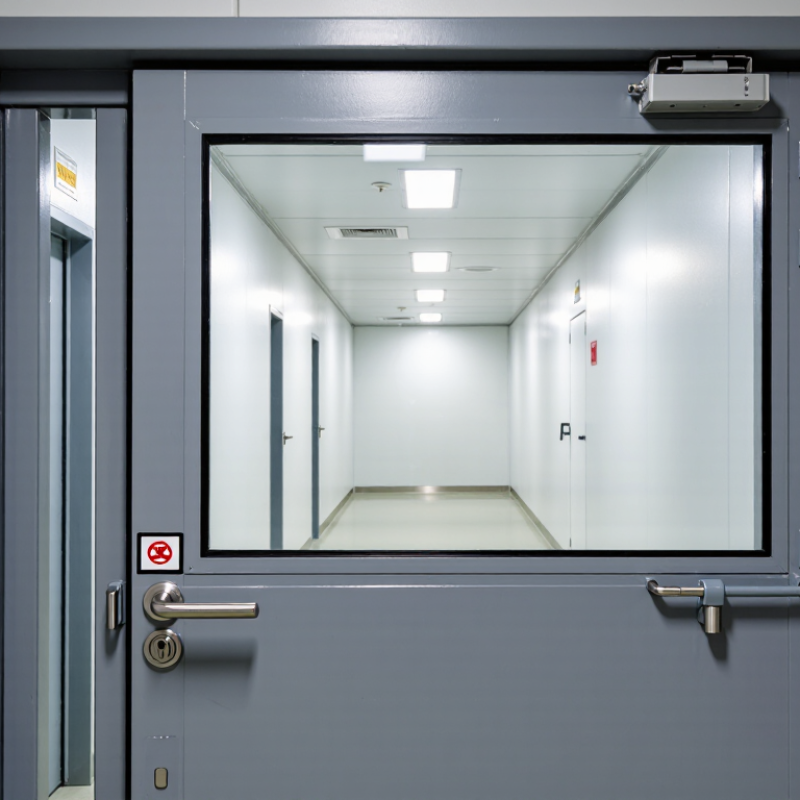
Start with the opening, not the product catalogue. A door between a busy corridor and a stairwell has a different job from one serving a storage room. Note who uses the space, how people exit, and what the door must contain: smoke, heat, or flames. A glazed panel can help staff see approaching people, but its size and fire performance must suit the complete door assembly. Details matter.

Then confirm the required fire rating against the building’s approved plans and local code. Ratings vary by opening and wall assembly; a higher number is not automatically the right choice. NFPA’s Fire Loss in the United States During 2022 estimated about 1.5 million fires nationwide. That figure is not a measure of door performance, but it shows why compartmentation deserves careful attention. Ask the project’s fire-protection professional to verify the rating and compatible fire-rated glazing.

Record the location, purpose, wall rating, traffic level, and any accessibility needs before requesting quotes. Check that the frame, hinges, closer, latch, seals, and vision panel are approved for the same rated assembly. A small mismatch can undermine a careful specification. I’ve seen teams focus on the glass and overlook the closer; it is an easy detail to miss, and worth checking twice.
Check Building Codes and Fire-Rated Glazing Compatibility

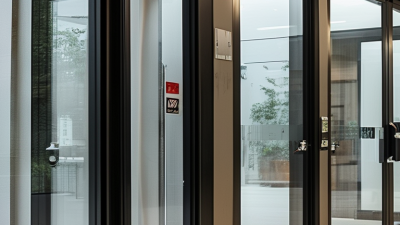
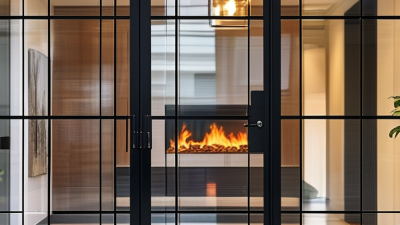
Before choosing a steel fire door with a window, check the building and fire codes that apply to the specific opening. Requirements can vary by occupancy, location, and the door’s role in the fire-rated barrier. Ask the building official or fire-safety professional to confirm the required rating and any limits on glazed area. Small details matter. A door rated for a certain period does not automatically make every glass insert suitable. Confirm that the glazing, frame, glazing beads, and door leaf are approved together as a tested assembly.

Check that the fire-rated glazing’s documented rating and permitted use match the door assembly and the opening’s requirements. The label or certification documents should identify the relevant rating; do not rely on appearance or a seller’s broad description. Make sure the window kit is specified for that exact door type and thickness. Installation matters, too: incorrect clearances or substituted materials can affect performance. A narrow pane may look right, yet still be incompatible. If documents are unclear, pause and verify them before ordering. It is easy to focus on the glass and overlook the frame, but that is precisely where a careful review helps.

Compare Steel Construction, Window Size, and Safety Features

A steel fire door should feel solid without dragging or rattling in its frame. Compare the door leaf, frame, hinges, and latch as one assembly; a heavy panel alone does not prove dependable performance. Ask for documentation showing the assembly’s fire rating and compatible glazing. Construction details matter. Check that the frame sits square and the door closes and latches smoothly. A small gap can become a big concern.

Window size changes both visibility and the amount of glazed area in the door. A narrow pane may let staff check a corridor, while a larger opening offers a broader view but can reduce privacy. Measure sightlines from standing and seated positions, and consider glare from nearby lights. The best size is not always the largest. It is easy to overlook how a handle or wall corner can block the view.

Safety features deserve equal attention. Confirm that the glazing is specified for the door assembly, and check the seals, hinges, closer, and latch for compatibility. A closer should shut the door reliably without slamming; test it after installation, not just on paper. Request installation and maintenance guidance from a qualified supplier or installer. Requirements vary by building and location, so verify the applicable specifications before choosing. I would compare two or three documented options in person; brochures rarely show how a door behaves in daily use.

How to Choose the Best Steel Fire Door With Window in 2026?

Compare Steel Construction, Window Size, and Safety Features

Common fire-door protection ratings include 20, 45, 60, 90, and 180 minutes. Choose a rating that meets local code and the requirements for the wall and opening. Steel thickness and construction affect durability, while the permitted window size depends on the tested and labeled door assembly—there is no universal size limit. Confirm that the glazing, frame, and hardware are approved for the specific door rating.

Verify Testing, Certification, Hardware, and Installation Requirements

A steel fire door with a window should be assessed as a complete tested assembly, not as a door leaf plus a convenient pane. Check that the fire-resistance rating, glazing type, frame, and permitted glass size match the test documentation. A label alone is not enough. Ask for current test reports and certification records, then confirm they apply to the exact configuration being supplied. Requirements can vary by project and location, so verify acceptance with the relevant building authority before ordering.

Hardware matters just as much. Confirm that hinges, latch, closer, seals, and any glazing beads are approved for the rated assembly. Small details matter. A closer that fails to shut the door fully can undermine its intended function. Installation should follow the assembly instructions, including frame anchoring, clearances, and seal placement. Keep the documentation on site for inspection. A tidy certificate can look reassuring, but it may describe a different size or hardware set. That is an easy detail to miss, and worth checking twice.
Evaluate Maintenance Needs, Durability, and Total Cost of Ownership

How to Choose the Best Steel Fire Door With Window in 2026?
Evaluate Maintenance Needs, Durability, and Total Cost of Ownership

A steel fire door with a window needs more than a strong frame. Check that the glazing, seals, hinges, and closing hardware are designed to work together as a rated assembly. Ask for clear maintenance instructions and keep them accessible to the people who inspect the door. Look closely at the window’s edges and frame joints. Small defects matter.

Durability depends on use and upkeep. A door in a busy corridor may take daily impacts, while a service-room door may face moisture or cleaning chemicals. Choose a finish suited to the setting, and confirm how scratches or corrosion should be repaired. Inspect seals and hardware at intervals recommended by the manufacturer. That takes effort.

Estimate total ownership cost, not just the purchase price. Include installation, routine checks, replacement parts, and possible specialist labor. A lower-priced door may cost more over time if compatible components are difficult to source. I would not assume the most durable option is automatically the best value; local use patterns and maintenance capacity can change the calculation. Compare written product documentation, warranty terms, and service requirements before deciding.

How to Choose the Best Steel Fire Door With Window in 2026? — Evaluate Maintenance Needs, Durability, and Total Cost of Ownership

Evaluation Factor What to Check Practical Guidance Effect on Maintenance, Durability, and Cost
Required fire-protection rating The rating required for the opening by the applicable building code and the approved door schedule. Choose a labeled door assembly with the required rating. The frame, glazing, glazing kit, hardware, and installation must be compatible with that assembly. Correct specification helps avoid replacement or compliance work. A higher rating is not automatically necessary; use the rating required for the opening.
Window glazing and size Glazing type, visible area, impact-safety requirements, and the maximum size permitted by the door assembly listing. Confirm that the fire-rated glazing and glazing kit are approved for the specific door and rating. Do not assume ordinary glass or an unlisted larger window is suitable. Approved components reduce the risk of costly rework. Larger or specialized fire-rated glazing can increase purchase and replacement costs.
Fire-protective vs. fire-resistive glazing The level of protection required by the opening and surrounding wall assembly. Fire-protective glazing is designed to limit fire and smoke passage for its tested application; it does not necessarily block radiant heat like fire-resistive glazing. Verify the required performance with the project code professional. Fire-resistive options may cost more, but selecting glazing that meets the actual requirement avoids over-specification or an unsuitable assembly.
Steel construction and corrosion protection Steel thickness and construction, finish quality, exposure to moisture, and the condition of edges and cutouts. For damp or corrosive environments, specify an appropriate corrosion-resistant finish and follow the manufacturer’s instructions for repairing damaged coatings. Suitable protection can reduce rust-related repairs and extend service life. Exposure conditions and maintenance have a major influence on durability.
Routine inspection and maintenance Door, frame, hinges, closer, latching hardware, seals, glazing, and any visible damage or obstruction. Plan for documented inspections at the intervals required by local codes and applicable standards. In the United States, NFPA 80 generally calls for fire door assemblies to be inspected at least annually. Regular checks help identify problems before they require major repairs. Include inspection labor and corrective work in the ownership budget.
Closing and latching performance Whether the door closes fully and latches without being held open or obstructed. Verify closer operation and latch engagement during inspections. Use only approved hold-open arrangements and compatible replacement hardware. Adjustments and compatible parts are usually easier to manage than damage caused by a door that is repeatedly forced, propped open, or unable to latch.
Repairability and spare parts Availability of compatible glazing, glazing beads, seals, hinges, closers, and other listed components. Before purchase, confirm how damaged glazing or hardware can be replaced while keeping the assembly within its approved configuration. Accessible compatible parts can reduce downtime and repair expense. Unapproved substitutions may compromise the fire-door assembly.
Installation and site conditions Opening dimensions, frame condition, wall construction, threshold, clearances, and installer experience. Have the opening measured and install the complete assembly according to its listing and installation instructions. Resolve damaged frames or unsuitable wall conditions before installation. Installation errors can lead to failed inspections and additional labor. Installation cost should be evaluated alongside the door’s purchase price.
Total cost of ownership Purchase, glazing, hardware, installation, inspections, cleaning, repairs, and eventual replacement. Compare quotations using the same rating, window size, hardware, finish, installation scope, and maintenance assumptions. Ask for itemized costs rather than comparing door prices alone. The lowest upfront price may not be the lowest long-term cost. Exposure, usage frequency, parts availability, and maintenance practices affect total cost.
Final selection check Labels, listed configuration, local code requirements, and inspection documentation. Before ordering, confirm the complete door-and-window assembly with the supplier, installer, and relevant code professional. Keep product and inspection records for future maintenance. Documentation makes future inspections and compatible repairs easier and helps prevent avoidable replacement costs.

Note: Requirements and approved assembly configurations vary by jurisdiction and application. Verify ratings, glazing limits, installation details, and inspection intervals with the applicable code official and the assembly’s listing and instructions.