What is a Rolling Fire Shutter and How Does It Work?
A Rolling Fire Shutter is an essential safety feature for many commercial and industrial spaces. These shutters provide effective fire resistance and help contain smoke within a building. According to industry expert John Smith, "A well-installed Rolling Fire Shutter can be a lifesaver during an emergency." This statement highlights the critical role of these systems in safeguarding lives and property.
Rolling Fire Shutters are designed to deploy automatically when a fire is detected. This mechanism helps limit fire spread and enhances the safety of the occupants. However, not all installations are perfect. In some cases, maintenance issues can compromise their effectiveness. Regular checks and updates are necessary to ensure functionality.
The technology behind Rolling Fire Shutters is constantly evolving. New materials and designs offer improved reliability and compliance with safety standards. Yet, users should remain aware of potential shortcomings in older models. Ensuring the shutters function properly can require ongoing investment and attention, but the benefits often outweigh the costs.
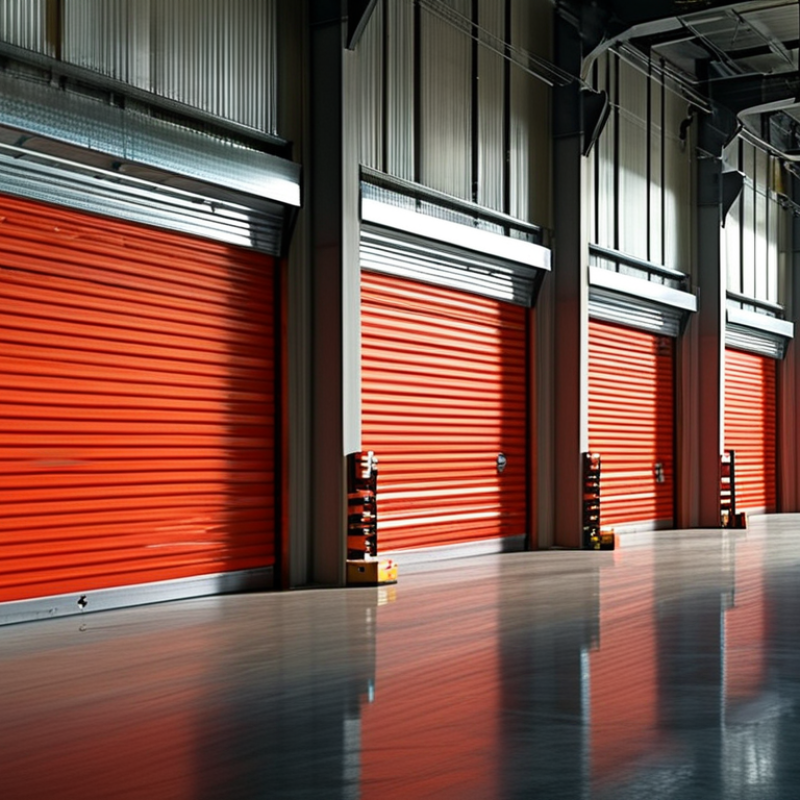
What is a Rolling Fire Shutter?
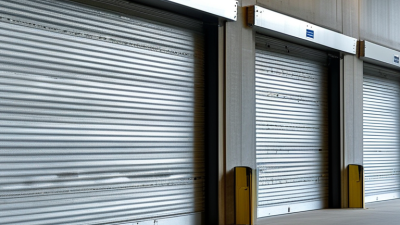
A rolling fire shutter is a crucial safety feature in modern buildings. It operates as a barrier against flames and smoke, protecting life and property. When triggered by a fire alarm, the shutter descends rapidly, sealing off specific areas to contain the fire. This design minimizes the spread of smoke and heat, which is especially vital in high-occupancy buildings.
According to the National Fire Protection Association, over 3,000 fire-related deaths occur annually in the United States. Rolling fire shutters can reduce this risk significantly. A study indicated that properties equipped with fire shutters experienced a 30% lower rate of fire damage compared to those without. These shutters are made from steel or other fire-resistant materials, offering robustness and reliability.
In some cases, these shutters can malfunction or fail to deploy correctly. Maintenance and regular inspections are essential for optimal performance. Building codes often require fire shutters in specific areas. However, the knowledge of their necessity may not be widespread among property owners. Awareness and education regarding rolling fire shutters are just as important as their installation. Ensuring that they function properly can mean the difference between safety and disaster in an emergency.
What is a Rolling Fire Shutter and How Does It Work?
| Feature |
Description |
| Material |
High-temperature resistant steel, aluminum, or composite materials |
| Functionality |
To prevent the spread of fire and smoke within buildings |
| Operation Mechanism |
Automatically closes when a fire alarm is triggered or manually activated |
| Installation Locations |
Doors, windows, and large openings in buildings |
| Maintenance |
Regular inspections and testing to ensure functionality and compliance |
| Fire Rating |
Typically rated between 30 to 180 minutes depending on the design |
| Benefits |
Enhanced safety, reduced damage during a fire, and compliance with fire codes |
| Types |
Vertical and horizontal rolling fire shutters |
Key Features and Benefits of Rolling Fire Shutters
Rolling fire shutters are essential for fire safety. These shutter systems are designed to contain flames and smoke during a fire incident. They automatically deploy when detecting fire, creating a barrier that limits the spread. Businesses often use them to protect valuable assets and ensure the safety of occupants.
Key features of rolling fire shutters include quick deployment and durability. The robust materials used provide high fire resistance. Many models are designed to operate even in emergencies, ensuring reliable protection. They can be customized to fit various openings, making them versatile. The ease of maintenance adds to their benefits.
Consider regular inspections to ensure your rolling fire shutter operates smoothly. Maintenance can prevent unexpected failures. Be aware of local fire codes; they may dictate specific shutter requirements. It's crucial to keep your systems updated to reflect any changes in fire safety regulations. Engaging a professional for installation can also ensure compliance and effectiveness.
How Does a Rolling Fire Shutter Work?
A rolling fire shutter is a critical element in fire protection systems. It functions primarily by creating a barricade that helps contain fire. These shutters roll down from a housing above doorways and openings. Their design allows for quick deployment, often activated by heat or smoke detectors. This mechanism aids in preventing the spread of flames, providing crucial time for evacuation. According to the National Fire Protection Association, effective fire barriers can reduce fire damage by up to 80%.
The operational mechanism of rolling fire shutters is based on thermal responsiveness. When exposed to high temperatures, fusible links in the shutter release. The shutter then descends to seal off areas and inhibit smoke. This action is vital, as smoke inhalation is a leading cause of fire-related fatalities. Detailed reports indicate that around 70% of fire incidents result in injuries due to smoke, highlighting the importance of these shutters.
It’s worth noting that, while effective, rolling fire shutters are not foolproof. Regular maintenance is essential for ensuring they function properly. Failure to maintain these systems can lead to malfunctions during a fire. The International Building Code emphasizes the need for regular inspections. Ignoring maintenance can create vulnerabilities in fire safety protocols, which requires ongoing attention from building managers.
Installation and Maintenance of Rolling Fire Shutters
Rolling fire shutters are critical in protecting properties from fire hazards. Their installation process requires careful consideration of local building codes and regulations. According to a report by the National Fire Protection Association (NFPA), improper installation can compromise the overall effectiveness of fire safety measures. Ensure that qualified professionals perform the installation, and always use components that meet safety standards.
Maintenance is equally essential. Regular inspections can identify wear and tear that might lead to failures. The NFPA recommends conducting maintenance checks at least twice a year. During these checks, it’s vital to assess the condition of the shutter mechanisms, ensuring they operate smoothly. Neglecting this could result in severe issues during emergencies.
Yet, challenges remain. Some property owners overlook maintenance schedules. They might prioritize other repairs or upgrades. This negligence can create vulnerabilities. It is crucial to balance ongoing facility improvements with the consistent upkeep of fire safety systems. Investing in trained personnel for both installation and maintenance can greatly enhance the reliability of rolling fire shutters.
Applications of Rolling Fire Shutters in Various Industries
Rolling fire shutters play a crucial role across various industries, providing both safety and security. Their effectiveness is evident in sectors like manufacturing, healthcare, and retail. For instance, the National Fire Protection Association (NFPA) reports that properly installed fire shutters can reduce fire spread by up to 75%. This is particularly important in manufacturing facilities, where flammable materials are often present.
In healthcare, rolling fire shutters can safeguard sensitive areas, such as operating rooms and storage facilities for pharmaceuticals. The use of these shutters helps contain fires, which prevents extensive damage and ensures patient safety. The American Institute of Architects notes that integrating fire-rated rolling shutters can enhance overall building safety by providing robust barriers against smoke and flames.
Retail environments also benefit significantly from rolling fire shutters. During off-hours, these installations protect stores from potential break-ins while remaining compliant with fire codes. Statistical data from the U.S. Bureau of Labor Statistics shows that businesses utilizing fire prevention measures, like rolling shutters, experience a 30% reduction in fire-related incidents. However, it is essential that industry professionals regularly inspect and maintain these systems. Neglected shutters can become less effective, potentially compromising safety standards. Ensuring proper functionality requires ongoing commitment and awareness from facility managers.
Applications of Rolling Fire Shutters in Various Industries