2026 Top Trends in Clinic Door Designs and Innovations
In the evolving landscape of healthcare, the design of the "Clinic Door" plays a critical role. These doors serve as more than mere entry points; they represent the first impression of a clinic. Trends in clinic door designs reflect both functionality and aesthetics.
Recent innovations prioritize patient comfort and accessibility. Advanced materials offer enhanced durability, while stylish designs cater to modern aesthetics. Some clinics explore interactive elements, turning doors into part of the patient experience.
Yet, not all innovations are flawless. Overly complex designs can confuse patients. Aesthetic choices may sometimes overlook practicality. As clinics embrace new trends, careful consideration is essential. Balancing beauty with functionality is vital for effective clinic door solutions.
Emerging Materials and Finishes in Clinic Door Design for 2026
In 2026, clinic door designs are set to embrace innovative materials and finishes that enhance functionality and aesthetics. We can expect to see the rise of sustainable materials, such as bamboo and recycled metals. These options not only reduce environmental impact but also offer unique visual appeal. The smooth, sleek finishes will likely incorporate antimicrobial properties, ensuring a clean and safe environment for patients and staff alike.
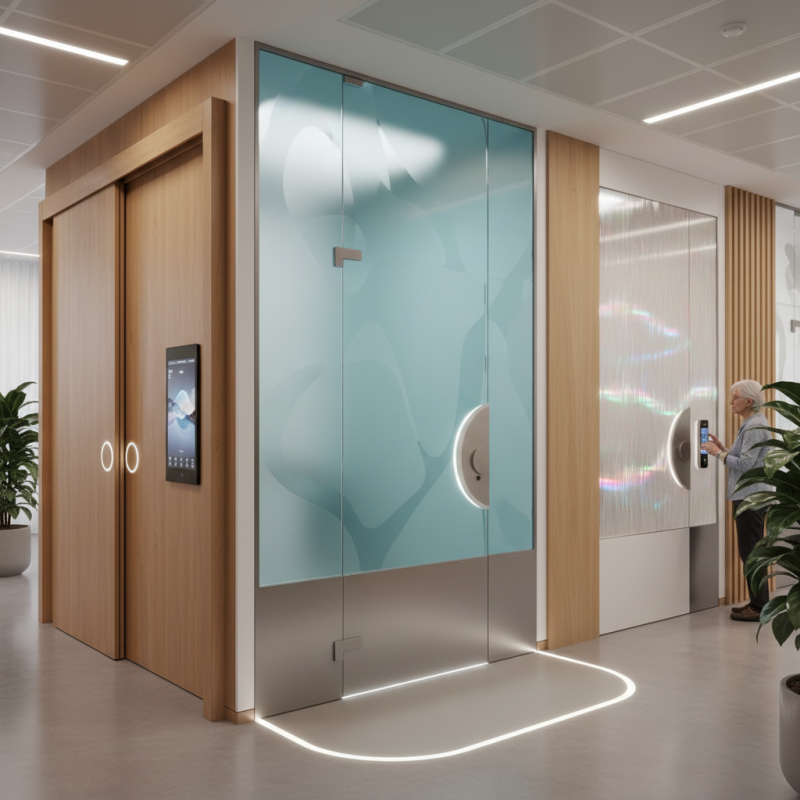
One emerging trend is the integration of smart technology into door designs. Automated doors with touchless access can enhance convenience. This approach not only promotes hygiene but also adds to the overall modern look of clinics. Additionally, incorporating glass elements can create an open, welcoming atmosphere. However, it's essential to balance transparency with patient privacy.
Tips: Consider the light transmission qualities of materials. A well-lit clinic can positively influence patient mood. Also, be mindful of maintenance needs; some finishes require more upkeep than others. Aesthetic choices should also reflect the clinic's ethos. Reflect on what your design choices communicate to visitors.
2026 Top Trends in Clinic Door Designs
Innovative Access Solutions: Automated and Smart Door Technologies
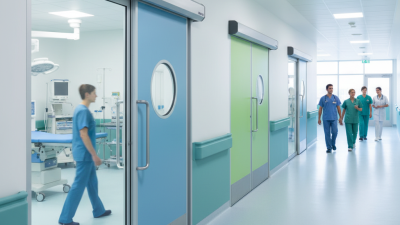
The rise of automated and smart door technologies is transforming clinic access. A recent report highlighted that 70% of clinics are adopting smart access solutions by 2026. These innovations enhance patient experience and improve operational efficiency.
Automated doors reduce physical barriers, allowing easy entry for all. Touchless technologies are particularly valuable in health settings. They minimize contact and support hygiene guidelines. Moreover, reports show that clinics using smart access have seen a 30% increase in patient satisfaction.
Security remains a critical concern in healthcare. Smart doors can integrate with monitoring systems, ensuring a safe environment. However, some clinics face challenges in implementation. Staff training is essential but often overlooked. A balance between tech solutions and human training is vital for success.
Sustainable Practices in Clinic Door Manufacturing and Design Trends
In recent years, sustainability has become a focal point in clinic door design. The emphasis on eco-friendly materials is changing the landscape. Designers are now exploring options like recycled metals and sustainably-sourced wood. These innovations not only reduce environmental impact but also enhance the aesthetic of clinic spaces.
Creating a welcoming environment is crucial. Using natural materials can help achieve this. Doors crafted from bamboo or reclaimed wood often provide warmth. They also have a lower carbon footprint compared to traditional materials. Incorporating energy-efficient mechanisms is another step forward. Automatic doors, for instance, can save energy while improving accessibility.
**Tips for sustainable design:**
- Choose materials with a smaller environmental impact.
- Look for suppliers focused on sustainability.
- Consider the lifecycle of the door: from manufacturing to disposal.
Every choice made in design reflects values. Reflect on what materials and practices align with your clinic's mission. Embracing these trends can enhance patient experience and showcase commitment to sustainability. It's not always easy, but progress requires thoughtful consideration and creativity.
2026 Top Trends in Clinic Door Designs and Innovations
| Design Trend |
Description |
Sustainability Aspect |
Innovation Type |
| Smart Glass Doors |
Doors that adjust transparency based on sunlight, enhancing patient privacy and energy efficiency. |
Use of energy-efficient glass and smart technology. |
Technological Innovation |
| Recycled Materials |
Doors made from 100% recycled materials reducing waste. |
Utilizing repurposed resources for manufacturing. |
Material Innovation |
| Contactless Entry |
Doors equipped with motion sensors for hands-free operation to improve hygiene. |
Reduction of touch points enhances infection control. |
Technological Innovation |
| Green Coatings |
Eco-friendly paints and varnishes that emit low VOCs. |
Improving indoor air quality and reducing environmental impact. |
Sustainable Materials |
| Modular Designs |
Doors that can be easily modified or expanded as clinic needs change. |
Promotes longevity and resource efficiency. |
Design Innovation |
Aesthetic Trends: Integrating Functionality and Style in Door Designs
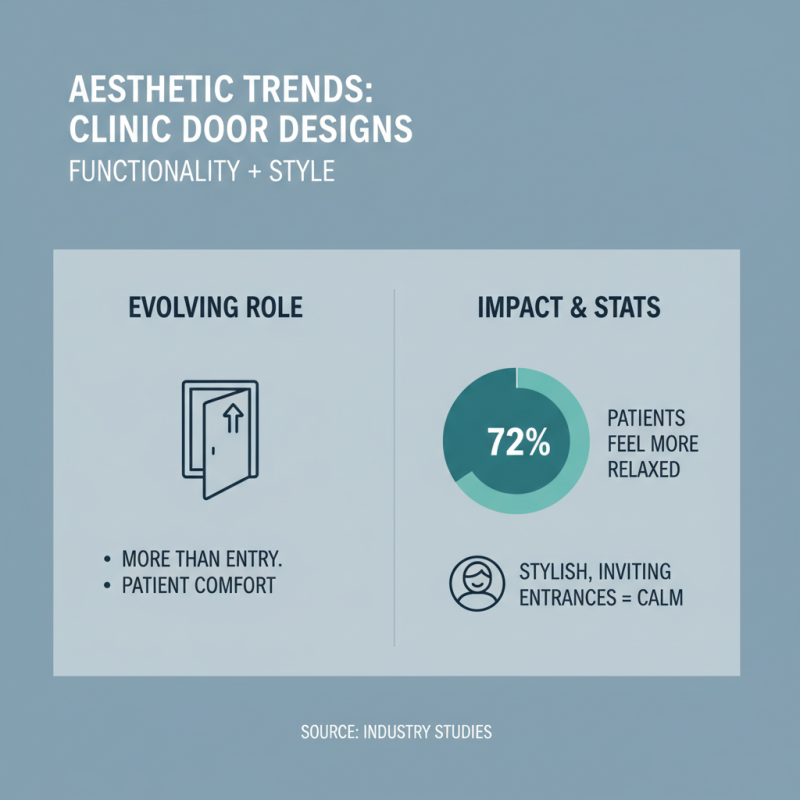
The aesthetic trends in clinic door designs emphasize the blend of functionality and style. As clinics evolve, a door's role extends beyond mere entry points. According to recent industry studies, the right door design can enhance patient comfort and create a welcoming atmosphere. For instance, 72% of patients report feeling more relaxed in clinics that showcase stylish, inviting entrances.
Natural materials are gaining popularity. Wood, with its warm tones, can ease anxiety. A report from the Interior Design Association notes that incorporating natural elements increases the perceived value of a space. Glass doors are also trending, allowing natural light to flood waiting areas, contributing to a calming experience. However, excessive transparency might compromise patient privacy, reminding us to balance openness with confidentiality.
Smart technology integration is another key innovation. Some clinics are adopting automated openings, enhancing accessibility for all patients. Yet, technological failures can lead to frustrations. A study by the Healthcare Design Journal highlighted that 30% of patients expressed discomfort when doors failed to function correctly. This reflects the need for a tested balance between advanced features and reliable performance.
Enhancing Patient Experience: Soundproof and Privacy-Focused Door Innovations
In 2026, clinic door designs are evolving to prioritize patient experience. Innovations focus on soundproofing and privacy to create a calming environment. Reports show that noise can significantly affect patient anxiety levels. A study found that 70% of patients reported higher stress in noisy settings. Soundproof doors can alleviate this issue. They serve not only as barriers to sound but also enhance confidentiality.
The innovation behind these doors includes materials that dampen sound effectively. Some designs integrate smart technology to ensure they close quietly.
Hospitals using these innovations note a marked decrease in complaints related to overheard conversations. However, this technology is not widely adopted yet, leaving many clinics at a disadvantage.
While advancements are encouraging, challenges remain. Not every clinic can afford state-of-the-art soundproof doors. Budget constraints often lead to compromises in design and functionality. Simple implementations, like door seals, can enhance privacy but might not fully address noise concerns. The industry needs to find a balance between cost and quality.