What is a Steel Fire Rated Door With Glass Benefits and Uses?
In today's safety-conscious world, the importance of fire-rated doors is undeniable. A Steel Fire Rated Door With Glass serves as an essential barrier against fire and smoke. According to the National Fire Protection Association (NFPA), more than 3,000 people die in home fires each year. Fire-rated doors play a crucial role in reducing this risk. They are engineered to withstand high temperatures, holding back flames and smoke for a specified period.
The integration of glass in these steel doors offers a unique blend of safety and visibility. Not only do they provide the necessary fire resistance, but they also allow light to penetrate, creating a more inviting atmosphere. Reports indicate that buildings equipped with fire-rated glass doors are 40% more likely to meet fire safety codes. Such doors are particularly useful in commercial settings, where both aesthetics and safety are paramount.
However, selecting the right door is not without challenges. Consideration must be given to installation, maintenance, and the standards set by local regulations. A Steel Fire Rated Door With Glass is an investment in safety, but it requires diligence to ensure compliance and efficacy. Balancing safety features and design can sometimes be an intricate task, reflecting a need for ongoing education in building safety practices.
What is a Steel Fire Rated Door With Glass?
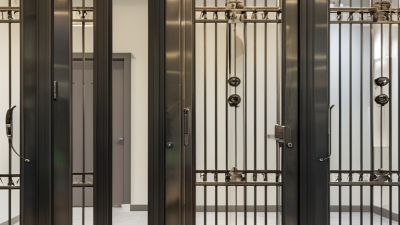
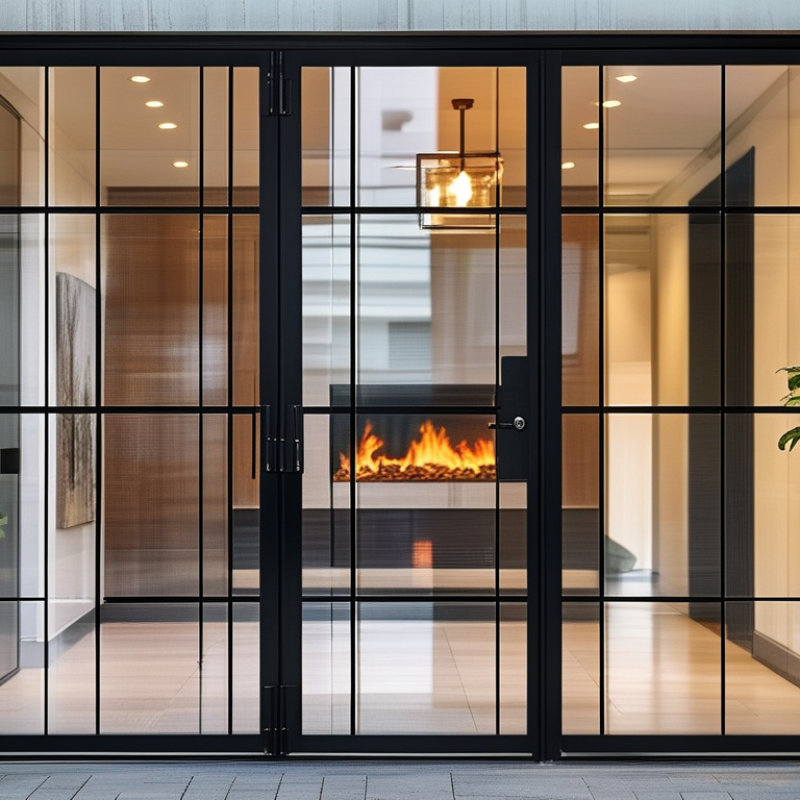
A steel fire-rated door with glass combines safety and functionality. These doors are designed to resist fire for a specific duration, often from 20 minutes to 3 hours. According to the National Fire Protection Association (NFPA), these doors play a crucial role in fire protection strategies. They help contain flames and smoke, increasing evacuation time during emergencies.
The glass in these doors typically uses tempered or laminated materials. This glass can withstand high temperatures and is crucial for visibility. In commercial buildings, a steel fire-rated door with glass enhances aesthetic appeal while maintaining safety. These doors are commonly used in offices, schools, and hospitals. A report by the American Society for Testing and Materials (ASTM) indicates that integrating glass does not compromise the door's fire rating when done correctly.
Choosing the right door involves balancing safety and appearance. Some installations may not meet fire safety standards, which can pose risks. Regular inspections are crucial to identify wear or damage. Ensuring proper maintenance helps uphold the door’s fire-resistance capabilities. Awareness of fire safety regulations is vital. Every building owner should be educated on compliance and safety measures.
Benefits and Uses of Steel Fire Rated Doors with Glass
This chart illustrates the various benefits and common use cases of steel fire rated doors with glass, focusing on their features and importance in fire safety.
Key Benefits of Steel Fire Rated Doors with Glass
Steel fire-rated doors with glass are gaining traction in various building designs. Their combination of safety and aesthetics is noteworthy. According to the National Fire Protection Association (NFPA), these doors can withstand fire for up to three hours while providing visibility. This feature is crucial in emergency scenarios, allowing for safe evacuation routes.
The integration of glass enhances natural light in hallways and rooms. Poor lighting can lead to accidents, especially during emergencies. A study by the American Institute of Architects (AIA) revealed that more than 30% of architects prefer glass-laden steel doors for their projects. These doors not only meet fire safety codes but also contribute to the overall design appeal. However, they may require regular maintenance to ensure the glass remains intact and functional.
Cost is another aspect to consider. While steel fire-rated doors with glass can be more expensive than traditional options, their long-term value often outweighs the initial investment. They may save on energy costs by utilizing daylight, yet their installation must follow strict building codes. Some may worry about potential safety issues, such as glass breakage. Thus, it is essential to choose quality installations and verify compliance with local building regulations.
Common Applications for Steel Fire Rated Doors with Glass
Steel fire-rated doors with glass are essential in various applications where fire safety and visibility are priorities. These doors are commonly used in commercial and industrial buildings. They provide a clear view while maintaining a robust barrier against fire and smoke. Hospitals often use these doors to separate sensitive areas while allowing light into corridors.
Educational institutions also benefit from steel fire-rated doors with glass. They offer safety while promoting a welcoming environment for students and staff. In office settings, these doors can enhance the aesthetic appeal while ensuring compliance with safety regulations. However, decisions about placement require careful consideration. They must balance visibility with fire protection needs.
In high traffic areas, steel fire-rated doors face wear and tear, possibly affecting their effectiveness. Regular inspections and maintenance are crucial for ensuring they meet safety standards. Additionally, impacts from everyday use may compromise their integrity. It’s essential to choose locations wisely and adhere to industry guidelines for installation and upkeep.
Industry Standards and Ratings for Fire Rated Doors
Fire-rated doors are critical in building safety. They provide essential protection during a fire. Understanding industry standards and ratings helps in selecting the right door. These standards, like UL 10C or NFPA 80, dictate performance. They measure how long doors can withstand fire. This ensures occupants have time to evacuate.
A steel fire-rated door with glass combines safety and visibility. Fire ratings can range from 20 minutes to 3 hours. Each level indicates the door's durability. It influences building design in commercial spaces. Compliance with local codes is necessary. The installation requires trained professionals to ensure reliability.
However, not all fire-rated doors are created equal. Some may not perform under real heat conditions. Regular assessments and maintenance are needed. Knowledge of testing procedures can be useful. Building designers must be informed about these standards. This ensures effective safety measures in emergency situations. Awareness helps in making informed decisions.
Maintenance and Inspections for Steel Fire Rated Doors with Glass
Steel fire rated doors with glass provide safety and aesthetics. However, maintenance and inspections are critical to ensure their effectiveness. Regular checks help identify issues before they become serious.
Inspect the door frame, hinges, and glass for any signs of wear or damage. Look for rust, cracks, or misalignments. Pay special attention to the seals; they must be intact to prevent smoke from entering. Clear any debris around the door area to ensure it closes properly and seals effectively.
Tips: Regular cleaning of the glass surface enhances visibility and aesthetics. Use non-abrasive materials to avoid scratches. Schedule annual inspections by certified professionals to ensure compliance with safety standards. These steps build trust in the door’s fire protection capabilities. Remember, even minor wear can compromise fire ratings, making vigilance essential.
What is a Steel Fire Rated Door With Glass Benefits and Uses? - Maintenance and Inspections for Steel Fire Rated Doors with Glass
| Dimension |
Detail |
| Material |
Steel |
| Fire Rating |
Up to 90 minutes |
| Glass Type |
Tempered or Laminated |
| Uses |
Commercial buildings, hospitals, schools, industrial facilities |
| Benefits |
Enhanced safety, visibility, and aesthetic appeal |
| Maintenance |
Regular inspections, ensuring fire seals are intact, checking hinges and closers |
| Inspection Frequency |
Annually or as per building regulations |