Leave Your Message

Top Forced Entry Resistant Door and Frame Types for 2026?

A forced-entry-resistant door is only as dependable as its frame, anchors, hardware, and installation. The FBI’s Crime in the United States 2022 report recorded 847,522 burglary offenses nationwide. That figure does not mean every incident involved a forced door, but it underscores why entry-point security deserves careful attention. CISA’s Physical Security Performance Goals also support a layered, risk-based approach rather than reliance on one product alone.

This guide compares hollow-metal assemblies, steel-reinforced wood doors, and other options for 2026. It considers how each performs in practical settings: a service entrance exposed to weather, a school corridor with frequent traffic, or a commercial frame fixed into masonry. Details matter. A heavy leaf can still be vulnerable if the strike, hinges, or frame anchorage are poorly matched. Testing standards such as ASTM F476 provide methods for evaluating certain swinging door assemblies, but results apply to tested configurations—not automatically to every installation.

The right Forced Entry Resistant Door And Frame depends on the threat level, building use, and verified test documentation. There is no universal winner. Product labels can sound reassuring; the fine print is less exciting, but essential. Compare complete assemblies, confirm the scope of testing with manufacturers, and involve a qualified security professional before specifying a system. These recommendations are a starting point, not a substitute for a site-specific assessment.
Top Forced Entry Resistant Door and Frame Types for 2026?

What Forced-Entry Resistance Means in a Door Assembly

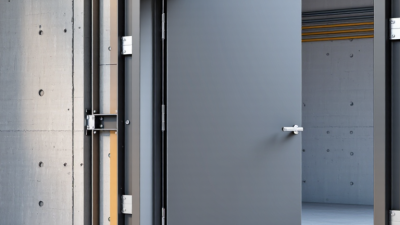
Forced-entry resistance is not a feature of the door slab alone. It describes how the complete door assembly performs when force is applied at its weakest points. The assembly includes the door, frame, hinges, lock, strike, glazing, fasteners, and surrounding wall. A heavy steel door can still fail if its frame pulls away from weak masonry. Small details matter.

Look at the tested configuration, not just material labels. A credible assessment identifies the door and frame dimensions, lockset, hinge type, anchor spacing, and installation method. It also states the test standard and resistance level, where applicable. Results from one setup may not transfer to another. Even a different strike plate or wall substrate can change performance. Ask for documentation that matches the opening being specified.

For a practical review, inspect the hinge side, latch-side frame, and threshold. Check that fasteners reach structural backing, gaps are consistent, and glazing is protected where required. A door that closes cleanly is useful; it is not proof of forced-entry resistance. Installation quality often determines whether rated components perform as intended. Site conditions are messy. We can focus too much on the door leaf and too little on the wall. That deserves a second look.
How Door and Frame Resistance Is Tested and Rated

Forced-entry resistance is tested on the complete door assembly, not just the door leaf. The frame, hinges, lock, strike plate, and fasteners all affect performance. In a laboratory, technicians may apply controlled loads, use defined impact methods, or attempt specified attack sequences. The exact procedure depends on the test standard and rating system.

A rating reports how the assembly performed under those conditions. Some systems classify resistance by test time; others use levels tied to particular tools or attack methods. A higher rating does not mean a door is impossible to breach. It means the tested unit met stated criteria. Small details matter. A strong lock can still underperform if its strike is attached with short screws or the frame is poorly anchored.

Read the test report, not just the label. Check whether the tested size, glazing, hardware, and frame match the planned installation. Also confirm who conducted the test and which standard was used. Site conditions can differ from a laboratory setup. That part is easy to overlook. Even a certified assembly may offer less protection when installed out of square, leaving uneven gaps or weak contact at the latch. No rating tells the whole story; careful installation and routine inspection remain essential.

Common Forced-Entry-Resistant Door Types for 2026

Common Forced-Entry-Resistant Door Types for 2026

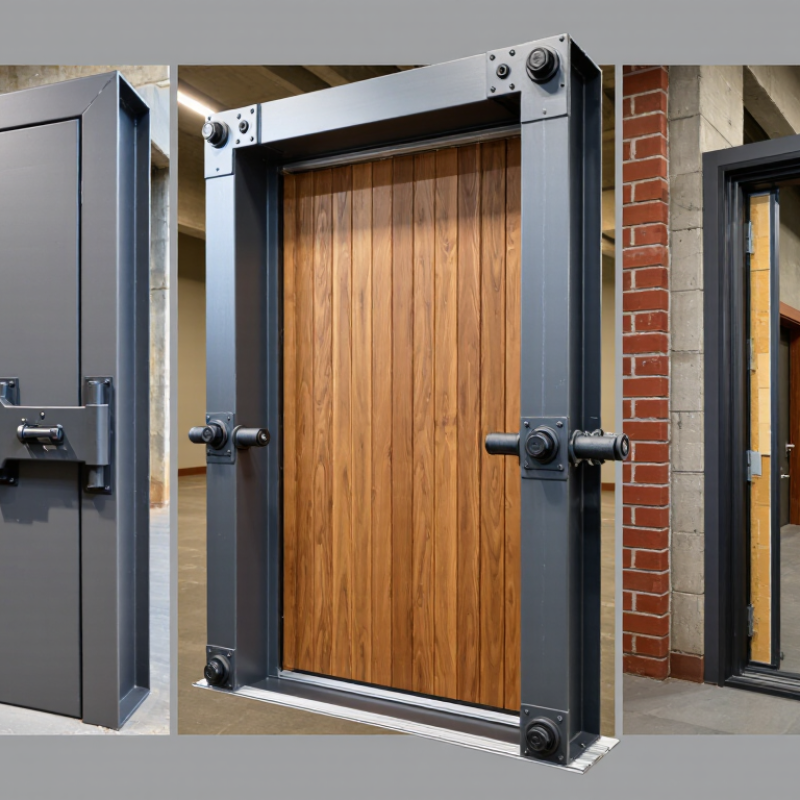
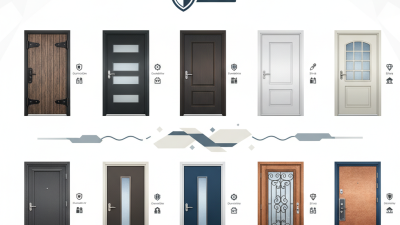
Steel doors are a common choice for entrances exposed to heavy daily use. Their strength depends on more than the metal skin: internal reinforcement, hinge support, and a securely anchored frame all matter. A solid-core wood door can suit offices or interior corridors where a less industrial appearance is preferred. It may need reinforced edges and suitable hardware to perform well under repeated impact.

Fiberglass and composite doors offer another option, especially where moisture or temperature changes are concerns. Their resistance varies by construction, so check independent test information for the complete door assembly rather than relying on material names alone. Details matter. Glazed doors can include laminated or otherwise impact-resistant glass, but the glass, frame, and retention system should be evaluated together.

There is no universal best type. I would be cautious about calling any door “unbreakable”; performance depends on the opening, installation, and maintenance. A strong leaf set in a weak frame can still be a poor choice. Ask a qualified door professional to review traffic, weather exposure, hardware, and applicable building requirements. It is an easy detail to overlook, but regular checks can reveal loose hinges, worn closers, or gaps before they affect performance.

Frame Designs and Hardware That Strengthen Entry Systems

A reinforced leaf can still fail at its frame. For 2026, specify a steel frame with reinforced hinge and strike areas, tight welded corners, and anchors that reach the structural wall framing. A deeper stop and a well-fitted door reduce leverage at the latch side. Small gaps matter.

Hardware must work as a system. Use hinges with protected pins or non-removable pins, plus a reinforced strike plate secured with long screws into the stud—not just the trim. ASTM F476 evaluates the security of swinging door assemblies under defined test methods, emphasizing that the frame, hinges, lock, and anchors affect performance together. Ask for test documentation covering the actual assembly and installation details.

The FBI’s 2022 Crime in the Nation report recorded 847,522 burglary offenses. That figure describes reported incidents; it does not predict how a particular door will perform. Still, it makes weak attachment points worth addressing. In practice, I often find the frame anchoring receives less attention than the lock. That is an easy oversight. Even a strong frame can disappoint when installers leave loose shims, short screws, or uneven gaps. A certified test is useful, but the field installation may not perfectly match the laboratory setup. That deserves a second look.

How to Match a Door-and-Frame Assembly to a Site’s Risks

Top Forced Entry Resistant Door and Frame Types for 2026?

Match the door and frame to the site’s likely attack, not a generic “high-security” label. The FBI’s 2023 Crime Data Explorer reported roughly 1.1 million burglary offenses nationwide. That figure is a useful risk signal, not a prediction for any single building. A street-level service entrance needs different protection from an interior records room. For exposed commercial openings, a reinforced hollow-metal door with a securely anchored frame can offer a practical starting point. Add tested glazing only where visibility or daylight matters. Small details matter.

Specify the complete assembly, including frame, hinges, locks, glazing, and wall connections. ASTM International’s F476 standard evaluates the security of swinging door assemblies through laboratory testing. Ask suppliers for test documentation covering the proposed configuration, not just the door leaf. A strong leaf can still fail at a weak strike, loose frame anchors, or a thin surrounding wall. For schools, clinics, and offices, weigh resistance against daily use, accessibility, fire requirements, and emergency egress. Those needs can conflict. No rating removes every weakness, and site conditions rarely match a laboratory setup exactly. Have a qualified security professional review the opening, anchorage, and maintenance plan before specifying a system.