Leave Your Message
In 2026, steel doors are no longer defined only by strength and a heavy frame. Buyers now compare thermal performance, fire resistance, security, appearance, and long-term maintenance. This guide introduces the leading Steel Door Series types shaping commercial, residential, and industrial projects.
The review covers insulated steel doors for energy-conscious buildings, fire-rated series for protected openings, and high-security doors for controlled facilities. It also examines acoustic doors, glazed steel systems, corrosion-resistant exterior doors, and clean-lined flush designs. Each series serves a different purpose. A hospital entrance needs different performance from a warehouse loading area.
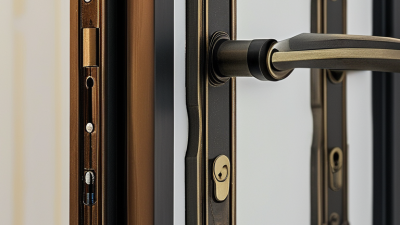
Real project experience shows that specifications matter more than impressive product names. Door leaf thickness, core material, hinges, seals, frame construction, and tested hardware can change the result. Small details matter. A poorly sealed frame can weaken an otherwise excellent door. Certification should be checked through current test reports, manufacturer documentation, and applicable building requirements.
Some 2026 trends appear convincing, but not every “top” series fits every climate or budget. That deserves honest attention. Smart access control may improve management, yet it can add maintenance demands and integration risks. Decorative finishes may look attractive, but outdoor exposure can reveal weak coatings quickly. This outline compares practical strengths, limitations, applications, and selection considerations, helping readers choose a steel door series with greater confidence and fewer expensive surprises.
What Are the 2026 Top Steel Door Series Types?
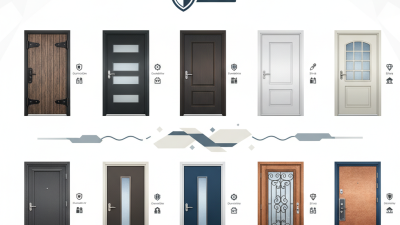
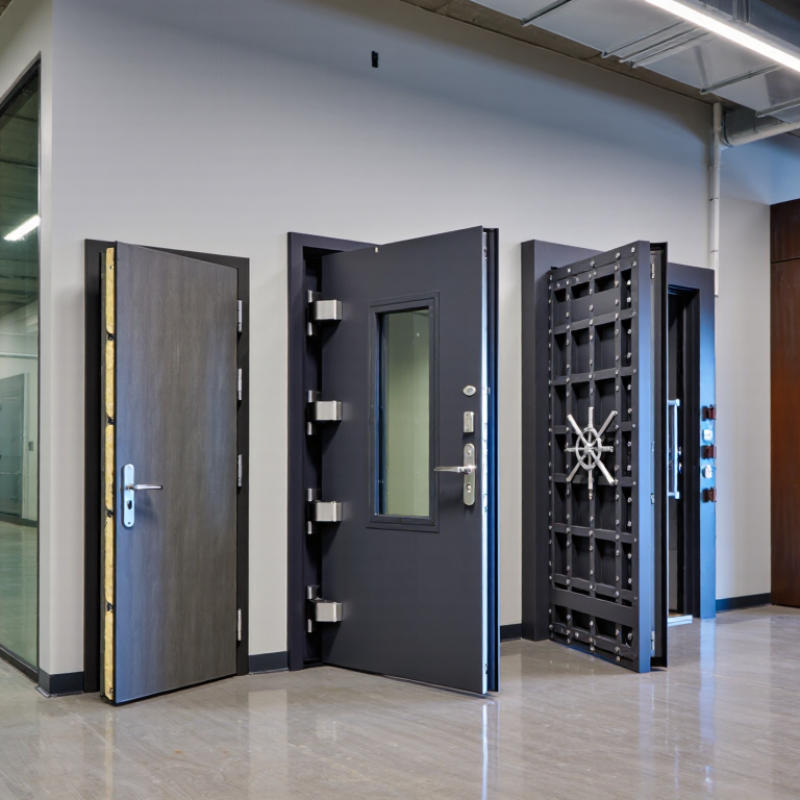
Steel door series are best classified by construction first, then by design intent. Hollow metal doors remain practical for schools, hospitals, warehouses, and service corridors. Their galvanized steel skins resist impact, while mineral wool or honeycomb cores adjust weight, fire performance, and sound control. Insulated steel doors add thermal value for exterior entrances and controlled environments. Stainless steel series serve humid or corrosive spaces, such as food-processing rooms and coastal facilities.
The World Steel Association reported nearly 1.9 billion tonnes of crude steel production worldwide in 2023. That scale supports broad material availability, but it does not guarantee a suitable door specification. UNEP’s 2024 Global Status Report states that buildings and construction consume 32% of global energy. This makes core insulation, weather seals, thermal breaks, and glazing design increasingly important in 2026. Small details matter.
Design-based series include flush, vision-panel, louvered, acoustic, and high-security configurations. Fire-rated doors should follow tested assemblies and applicable requirements, including NFPA 80 and relevant ASTM methods. Security doors may use reinforced cores, stronger frames, and concealed hardware. However, “heavy-duty” is not a universal performance class. I would question any catalog that treats thickness alone as proof of durability. Real selection depends on cycle frequency, moisture, pressure differences, clearance, maintenance access, and installation quality. The categories overlap, and that is where many specifications become less clear.
| Steel Door Series Type | Primary Construction | Core or Infill | Typical Design Features | Common Performance Characteristics | Typical Applications | Key Specification Considerations |
|---|---|---|---|---|---|---|
| Flush Hollow-Metal Series | Two formed steel faces reinforced with internal channels, stiffeners, or edge channels. | Honeycomb, polystyrene, polyurethane, mineral fiber, or internal steel reinforcement. | Smooth, flat faces with minimal detailing; available as single, pair, or oversized doors. | Durable, easy to maintain, and suitable for tested fire, smoke, acoustic, and security assemblies. | Commercial buildings, schools, hospitals, offices, service corridors, and utility areas. | Select gauge, core, frame profile, hardware preparation, fire rating, and environmental finish. |
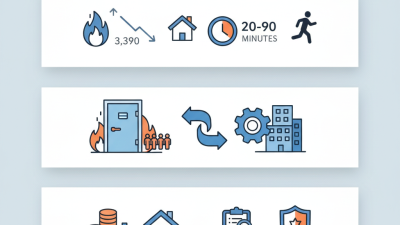
| Fire-Rated Steel Door Series | Steel door and frame assembly engineered and tested as a complete fire-resistance system. | Usually mineral fiber or other fire-resistant materials selected for the tested assembly. | Flush, vision-panel, louvered, or glazed configurations where permitted by the test rating. | Fire ratings commonly include 20, 45, 60, 90, and 180 minutes, subject to local certification and configuration. | Stairwells, exit enclosures, fire compartments, plant rooms, and high-occupancy buildings. | Verify rating labels, positive-latching hardware, self-closing devices, glazing limits, and frame compatibility. |
| Security and Blast-Resistant Series | Heavy-gauge steel skins with welded or mechanically reinforced frames and locking zones. | Steel stiffeners, composite reinforcement, or specialized protective infill. | Reduced glazing, concealed reinforcement, multi-point locking, and reinforced hinges. | Designed for forced-entry resistance and, when specifically tested, pressure or blast mitigation. | Critical infrastructure, secure rooms, data centers, government facilities, and industrial sites. | Require the correct threat level, test standard, hardware set, anchorage, clearances, and wall condition. |
| Acoustic Steel Door Series | Sealed steel leaf and frame system with compression seals and carefully controlled joints. | Dense mineral fiber, acoustic composite, or layered sound-absorbing materials. | Full perimeter seals, automatic door bottoms, limited penetrations, and optional acoustic glazing. | Sound transmission performance is expressed by tested STC or equivalent laboratory rating. | Recording rooms, theaters, conference spaces, laboratories, hotels, and mechanical rooms. | Specify the complete assembly rating; gaps, louvers, thresholds, and hardware can reduce acoustic performance. |
| Thermally Insulated Steel Door Series | Insulated steel leaf with thermally improved frame, weather seals, and optional thermal break details. | Polyurethane, polystyrene, mineral fiber, or other insulation selected for the intended climate and rating. | Flush or glazed designs with perimeter weatherstripping and corrosion-resistant exterior coatings. | Improves thermal resistance and air tightness; U-factor and air-leakage values depend on the tested assembly. | Exterior entrances, warehouses, industrial buildings, cold rooms, and energy-conscious facilities. | Coordinate insulation, condensation control, threshold design, exposure rating, and local energy requirements. |
| Stainless or Hygienic Steel Series | Stainless-steel faces or corrosion-resistant steel construction with sealed edges and hygienic detailing. | Insulated, honeycomb, or reinforced internal construction depending on impact and cleaning requirements. | Smooth welds, radiused edges, flush vision panels, sanitary seals, and limited dirt-collecting joints. | High cleanability and improved corrosion resistance in controlled or frequently washed environments. | Food processing, pharmaceutical areas, healthcare spaces, laboratories, and commercial kitchens. | Choose steel grade, surface finish, weld quality, sealant compatibility, washdown resistance, and sanitation requirements. |
| Louvered Steel Door Series | Steel door leaf fitted with fixed, sightproof, or weather-resistant louver assemblies. | Often ventilated or partially reinforced; fire-rated versions require specifically approved louver assemblies. | Horizontal, inverted, or vision louvers sized to provide airflow while limiting visibility or weather entry. | Supports ventilation but generally reduces acoustic, thermal, smoke, and fire performance unless tested as a system. | Electrical rooms, boiler rooms, generator rooms, workshops, and mechanical enclosures. | Confirm free-air area, pressure drop, insect screening, weather protection, security, and fire-rating limitations. |
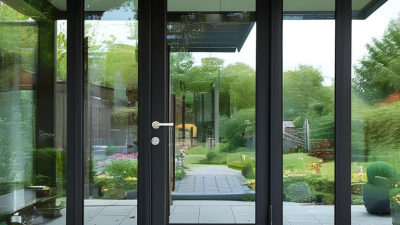
| Glazed and Vision-Panel Steel Series | Steel door leaf with factory-prepared openings and compatible fire-, safety-, or security-rated glazing. | Core remains insulated or reinforced around the vision-panel opening. | Narrow, half-height, full-height, or custom vision panels with optional wired or laminated glass. | Provides visibility and daylight; performance depends on glazing type, size, glazing bead, and tested assembly. | Schools, hospitals, offices, corridors, laboratories, and supervised access points. | Coordinate fire rating, impact safety, privacy, security level, sightlines, and cleaning requirements. |
| Impact-Resistant Industrial Series | Heavy-duty steel leaf with reinforced edges, hinges, lock areas, and protective plates. | High-density insulation, steel reinforcement, or impact-resistant composite construction. | Kick plates, armor plates, heavy-duty hardware, wider clearances, and optional vision panels. | Designed to withstand repeated traffic, carts, equipment contact, and demanding operating cycles. | Factories, distribution centers, loading areas, workshops, service entrances, and utility facilities. | Specify impact zones, cycle frequency, door weight, hinge capacity, floor conditions, and maintenance access. |
| Exterior Weather-Resistant Steel Series | Galvanized or coated steel leaf and frame with weather seals, durable finish, and corrosion-control detailing. | Insulated or reinforced core selected for outdoor exposure and required security level. | Drip edges, adjustable thresholds, compression seals, corrosion-resistant hardware, and optional glazing. | Provides resistance to rain, wind-driven moisture, temperature changes, and exterior wear when properly installed. | Building entrances, rooftops, parking areas, substations, warehouses, and coastal or industrial locations. | Match coating, galvanization, hardware, threshold, seal design, and drainage details to the exposure category. |
| Decorative and Architectural Steel Series | Steel leaf with formed panels, applied moldings, recessed details, or architectural metal skins. | Insulated or reinforced core selected according to appearance, durability, and performance needs. | Panel profiles, narrow stiles, custom proportions, decorative glazing, and field-finishable surfaces. | Balances visual design with durability; fire, acoustic, and security ratings require specific tested configurations. | Main entrances, hospitality spaces, residential common areas, cultural facilities, and premium commercial interiors. | Confirm dimensional tolerances, finish compatibility, panel alignment, hardware clearances, and required certification. |