Leave Your Message

How to Choose a Stainless Steel Glass Fire Door in 2026?

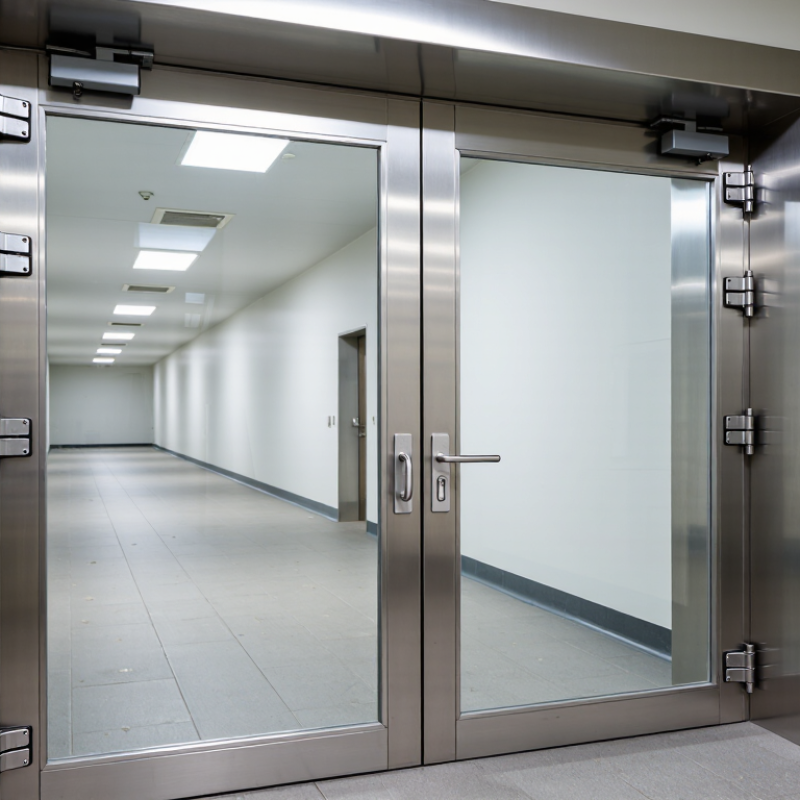
Choosing a Stainless Steel Glass Fire Door in 2026 means looking beyond its polished surface. The door must work as a complete, tested assembly: glazing, frame, seals, hinges, latch, and installation all matter. A mismatch can undermine performance, even when each component looks substantial. Small details matter.

Fire-protection engineer James A. Milke’s work offers a useful way to think about fire resistance: performance belongs to the tested assembly, not to one attractive material. This is a paraphrase, not a verified direct quotation. Keep that distinction in mind when evaluating supplier claims. Ask for documentation showing the door configuration, fire-resistance rating, compatible hardware, and approved glazing. Check whether the evidence applies to the exact size and installation you need.

This guide outlines how to compare ratings, glass types, stainless steel grades, frame construction, and maintenance requirements. It also considers daily realities: a heavy door in a busy corridor, fingerprints on brushed steel, and seals that need routine inspection. A sleek finish is not enough. Neither is a persuasive brochure. Requirements vary by building and location, so confirm the applicable standards with qualified professionals and relevant authorities before purchasing. Some choices still involve trade-offs, and specifications can be confusing. That deserves a second look.
How to Choose a Stainless Steel Glass Fire Door in 2026?

Establish the Fire Rating: Common Ratings Are 20, 45, 60, 90, or 180 Minutes

A stainless steel and glass fire door should be selected by its required opening rating, not appearance alone. Common ratings are 20, 45, 60, 90, and 180 minutes, but availability and permitted use depend on local building requirements. A rating describes performance in a standardized fire test; it does not mean every glass panel or door configuration qualifies for that duration. Check the complete tested assembly, including glazing, frame, seals, and hardware. Small details matter. NFPA’s Fire Loss in the United States During 2023 estimated 1.39 million fires and $13.1 billion in direct property damage, underscoring why verified performance matters.

Match the door rating to the required protection for that specific opening. A 60-minute door may be unsuitable where a different rating or impact classification is required. Ask for documentation identifying the applicable test standard, such as NFPA 252 or UL 10C, and confirm that the glass and frame are covered by the listing. Fire-protection-rated glazing may also have limits on panel size and use. Verify these details with the project’s code professional and the manufacturer’s test documentation before ordering. Stainless steel can suit demanding corridors, but it does not compensate for an untested assembly. I would not guess from a product label alone.

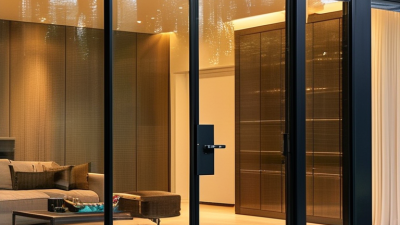
Check Test Evidence: NFPA 252 and UL 10C Assembly Listings

In 2026, judge a stainless steel glass fire door as a tested assembly, not as a collection of attractive parts. Ask for the test report or a current, verifiable listing that identifies the door, frame, glazing, seals, and hardware. NFPA 252 and UL 10C are fire-test standards, not interchangeable labels for every product. Check the required rating and whether the evidence covers the exact configuration, including glass dimensions and door size. Details matter.

UL 10C evaluates fire-door assemblies under positive pressure, while NFPA 252 provides fire-test procedures for swinging door assemblies. Confirm which standard the project requires, then match the listing’s scope to the opening. Look for permitted glass, glazing beads, fasteners, hinges, closer, latch, and frame construction.

A listing for a similar-looking model may not cover a changed glass panel or hardware set. Ask for the relevant listing pages, not just a brochure. If the evidence is unclear, verify it with the listing agency or project reviewer. Paperwork can be tedious. It can also reveal a small mismatch before installation.

Select the Glazing: Distinguish Fire-Protective from Fire-Resistive Glass

When choosing a stainless steel glass fire door in 2026, look beyond the frame and check the glazing’s tested classification. Fire-protective glass is designed to stop flames and hot gases for a rated period, but may still transmit substantial radiant heat. Fire-resistive glass is tested to limit both fire passage and heat transfer, more like a rated wall. The exact performance depends on the tested assembly, not just the glass label. Not interchangeable.

NFPA’s report “Fire Loss in the United States During 2023” recorded about

1.39 million fires

and 3,670 civilian fire deaths.

Those figures underline why a door’s rating needs to match its location and purpose. Check the applicable listing and test standard, such as NFPA 252 or UL 10C for door assemblies, and ASTM E119 or UL 263 where fire-resistive performance is required. Confirm the permitted glass size, frame, seals, and hardware together; a stainless steel frame alone does not establish a fire rating.

I would pause over any specification that names a glass rating but leaves the full assembly unclear.

Compare Stainless Grades: 316 Typically Contains About 2% Molybdenum

When choosing a stainless steel glass fire door, compare the steel grade with the door’s setting. Grade 316 typically contains about 2% molybdenum, though exact composition varies by specification. This addition improves resistance to corrosion, especially from chlorides such as salt carried in coastal air. Grade 304 may suit many dry indoor locations, while 316 can be a sensible option near the coast or in damp, frequently cleaned areas. It is not corrosion-proof.

Tips: Check the mill certificate for the supplied grade and confirm that the frame, fasteners, and hardware are compatible. Look for salt spray, cleaning chemicals, and condensation around the doorway. Small details matter.

The steel grade alone does not determine fire performance. The complete door assembly, including its glazing, seals, and hardware, must be selected for the required fire rating. Ask the supplier for test documentation covering the exact configuration, not just a similar-looking product. Also inspect the finish: scratches around hinges or handles can expose areas that collect moisture. One limitation is easy to miss: 316 may add cost without meaningful benefit in a dry interior. Match the material to actual exposure, then verify maintenance needs and assembly records before ordering.

How to Choose a Stainless Steel Glass Fire Door in 2026? — Compare Stainless Grades: 316 Typically Contains About 2% Molybdenum

Stainless Steel Grade UNS Designation Typical Specified Chemistry (Weight %) Magnetic Behavior General Corrosion Considerations Potential Door-Frame Use
304 S30400 Chromium: 18.0–20.0%
Nickel: 8.0–10.5%
Molybdenum: not specified as an intentional addition
Usually nonmagnetic in the annealed condition; cold working can make it somewhat magnetic. Good general atmospheric and indoor corrosion resistance. Less resistant than 316 to chloride-related pitting and crevice corrosion. A common option for many interior environments when the project specification and tested door assembly permit it.
316 S31600 Chromium: 16.0–18.0%
Nickel: 10.0–14.0%
Molybdenum: 2.0–3.0% (often described as about 2%)
Usually nonmagnetic in the annealed condition; fabrication may produce some magnetic response. Molybdenum improves resistance to pitting and crevice corrosion in chloride-bearing environments compared with 304; it does not make the alloy immune to corrosion. May be considered for coastal, humid, or chloride-exposed locations, subject to exposure assessment and assembly requirements.
430 S43000 Chromium: 16.0–18.0%
Nickel: not specified as a required addition
Molybdenum: not specified as a required addition
Magnetic. Provides useful corrosion resistance in mild indoor conditions, but generally offers less corrosion resistance than 304 or 316 in demanding environments. Could suit some cost-sensitive, dry interior applications where its properties meet the design and project specifications.

Selection note: Chemistry ranges are typical specification limits for these grades; confirm the applicable material standard and product documentation. Stainless steel grade alone does not establish a fire rating. The complete door assembly—including frame, glazing, seals, hardware, and installation—must be approved or tested to the applicable fire-safety requirements for the project.

Verify Installation and Care: NFPA 80 Requires Annual Fire-Door Inspection

Choosing a stainless-steel glass fire door in 2026 means checking the complete listed assembly, not just its finish. Confirm that the door, frame, glazing, seals, and hardware match the tested fire-rating documentation. NFPA 80 requires fire-door assemblies to be inspected and tested at least annually, with defects and corrective work documented. NFPA’s report Fires in the U.S. During 2022 estimated about 1.5 million fires and 3,790 civilian fire deaths. These figures do not measure door failures, but they underline why reliable fire separation needs regular attention.

Tips: Check that the door closes fully from different open positions and latches without assistance. Look for legible labels, uncracked glass, intact seals, and new holes or hardware. A door that looks fine can still drag on the threshold.

Use qualified inspectors familiar with the listed assembly and applicable local requirements. Keep dated reports, photographs, and repair records; fix defects promptly and recheck operation. Clean stainless steel with mild, non-abrasive products, and follow the glazing care instructions. Maintenance schedules can slip. A calendar reminder beats relying on memory.

How to Choose a Stainless Steel Glass Fire Door in 2026? Verify Installation and Care: NFPA 80 Requires Annual Fire-Door Inspection

NFPA 80 calls for fire-door assemblies to be inspected and tested at least annually. When selecting a stainless steel glass fire door, confirm that the door, glazing, frame, and hardware are part of a listed assembly, and follow the applicable installation instructions.