Leave Your Message

What Are the Top 10 Types of Fire Resistant Glass?

Fire Resistant Glass is designed to limit the spread of flames, heat, or smoke for a specified period. It is not one single material. Its performance depends on composition, thickness, framing, and installation. A clear pane may look ordinary, yet contain layered interlayers or a heat-reactive core. Some products remain transparent during a fire. Others turn opaque or crack in a controlled way.

This guide examines ten common types, including wired, ceramic, borosilicate, and glass-ceramic products, along with laminated and insulated fire-rated glazing. Their differences matter. A small wired panel beside a corridor door serves a different purpose from a large glazed partition. Some types chiefly resist flames, while others also reduce heat transfer. That distinction is easy to miss. Product labels alone cannot confirm suitability; verified test data and the complete glazing assembly matter. Requirements also vary by project and location, so qualified professionals should check applicable specifications. No glass performs independently of its frame, seals, and installation. In practice, those details can decide whether a rated system performs as expected. The categories may overlap, and manufacturers may use different names. That deserves a second look. The following overview compares their construction, typical strengths, and practical limitations, helping readers ask more precise questions before selecting a product. It is a starting point, not a substitute for project-specific review.
What Are the Top 10 Types of Fire Resistant Glass?

What Fire-Resistant Glass Is and How It Works

Fire-resistant glass is glazing designed to slow the spread of fire, smoke, and heat for a tested period. It is not simply ordinary glass made thicker. Its performance depends on the glass, frame, seals, and installation working together. A small gap around the frame can matter.

When exposed to intense heat, some glass stays in place to block flames and hot gases. Other types also limit heat transfer. Their clear inner layers may expand and turn opaque, forming an insulating barrier. Ceramic fire-resistant glass works differently, tolerating rapid temperature changes without relying on expanding layers. Heat changes everything. Exact performance varies by product and assembly, so the test rating matters more than appearance.

Tips: Match the glazing to the opening’s intended fire-protection needs, and check that its frame and hardware are approved for the same assembly. Look for readable certification labels and follow the manufacturer’s installation details. Keep edges and seals intact; don’t drill, cut, or replace components casually. Even careful readers can miss this: a glass panel alone does not guarantee the rated performance of a complete opening.

What Are the Top 10 Types of Fire-Resistant Glass?

Fire-resistant glazing is tested as a complete system. This chart shows illustrative duration ranges found across tested systems—not guaranteed ratings for every product or installation.

How to read it: E indicates integrity, EW indicates integrity with limited heat radiation, and EI indicates integrity plus insulation. The required classification and duration depend on local codes and the tested assembly, including its frame, seals, and installation.

How Fire Ratings and Test Standards Define Performance

Fire-resistant glass is not defined by thickness alone. Its rating comes from a tested assembly: glass, frame, seals, and installation details working together. A 60-minute label generally means the assembly met specified criteria for that period, not that it suits every opening. Criteria may measure integrity, which limits flames and hot gases, or insulation, which also restricts heat transfer. Some products reduce radiant heat; others do not. Small distinction. It matters beside an escape route.

Test standards set the conditions for judging that performance. Depending on the market and application, testing may follow standards such as ASTM E119 or UL 263, or relevant EN methods. Tests expose a sample to a prescribed fire curve, then assess whether it maintains the required protection. Some protocols include a hose-stream test after heating. Ratings are not interchangeable across standards, and local codes determine what evidence is accepted. A label can look reassuring, but it is easy to overread. Check the listed size, frame type, glazing orientation, and permitted use against the project documents. I would not assume a visually similar pane performs the same way; that assumption is common, and sometimes costly.

Ten Major Types of Fire-Resistant Glass Compared

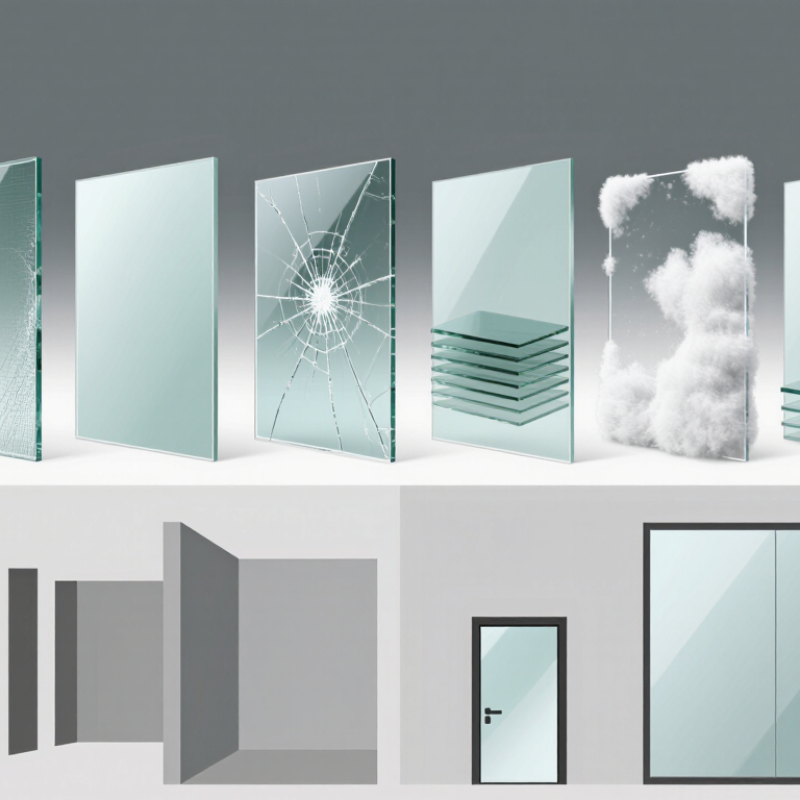
Fire-resistant glazing is not one material. Ten common constructions include polished wired glass, ceramic glass, glass-ceramic, borosilicate glass, fire-rated tempered glass, single-layer intumescent laminated glass, multi-layer intumescent laminated glass, gel-filled laminated glass, fire-resistive laminated glass, and fire-rated insulated glass units. Their performance varies. Wired and tempered products may limit flames and smoke, yet not block radiant heat as effectively as many fire-resistive assemblies. Ceramic and glass-ceramic options handle high temperatures; intumescent layers expand into an insulating barrier when heated. Gel-filled designs use a clear interlayer that clouds and insulates during fire exposure. Details matter.

NFPA’s 2022 U.S. Fire Loss report estimated 1.5 million fires nationwide, underscoring why tested performance matters. Ratings commonly state 20, 45, 60, or 90 minutes, but the number alone is not a complete comparison. Fire-protective glazing and fire-resistive glazing are tested for different performance criteria; check the applicable listing and assembly, not just the glass label. Standards such as NFPA 257 and ASTM E119 help define test methods. Framing, seals, pane size, and installation can affect results. A tiny gap at the frame is not a tiny issue. One limitation: product names can overlap, so specifications and test evidence deserve closer reading than marketing descriptions.

What Are the Top 10 Types of Fire-Resistant Glass? — Ten Major Types Compared
# Glass Type or System Typical Construction Fire Performance Main Advantages Common Uses and Considerations
1 Wired Fire-Protection Glass Glass with a wire mesh embedded during manufacture. Typically used as fire-protective glazing to help maintain an opening barrier against flames and hot gases. The mesh does not make ordinary wired glass equivalent to fire-resistive glazing. Recognizable construction; can remain in its frame after cracking in some fire conditions. Found in some legacy doors, windows, and partitions. Impact-safety compliance must be checked separately; wired glass can present a breakage hazard.
2 Monolithic Ceramic Fire Glass A single pane of specially manufactured, low-expansion glass-ceramic. Designed to resist thermal shock and maintain integrity for the duration established by its tested product and assembly. Good resistance to rapid temperature change; generally clear and relatively thin compared with multi-layer systems. Used in tested fire-protective doors, windows, and screens. A single pane generally does not provide the same heat insulation as a fire-resistive multi-layer system.
3 Borosilicate Fire-Protection Glass Single or multi-pane glazing made with borosilicate glass, which has a relatively low coefficient of thermal expansion. Can provide fire protection when incorporated into a tested glazing assembly; classification and duration depend on the specific system. Thermal-shock resistance and good optical clarity. Suitable for selected windows, doors, and glazed screens. Verify the approved frame, glazing dimensions, and required impact-safety rating.
4 Specially Tempered Fire-Protection Glazing Heat-treated glass formulated and tested as part of a fire-rated glazing product; it is not ordinary tempered glass. May be classified for fire protection in specific tested assemblies. Standard tempered glass alone should not be assumed to have a fire rating. Can combine fire-protection performance with impact-safety characteristics where the complete product is tested for both. Used in approved doors and window systems. Confirm fire-test classification and safety-glazing compliance for the exact product and installation.
5 Laminated Fire-Protection Glass Two or more glass layers bonded with a fire-rated interlayer, often with supporting layers selected for the intended application. Can retain fragments and provide fire-protection performance when the complete laminate and framing system are tested together. May offer improved fragment retention and impact performance compared with some single-pane products. Used in fire-protective doors, windows, and partitions. A conventional safety-glass interlayer is not, by itself, a fire-rated interlayer.
6 Insulating Fire-Protection Glazing A tested multi-pane unit with a sealed cavity between panes; components may include glass, coatings, or fire-rated layers. Provides the fire performance demonstrated by its tested assembly. Insulating construction does not automatically make a unit fire-resistive. Can improve thermal and acoustic performance in addition to meeting specified fire-protection requirements. Used where both fire protection and better everyday insulation are desired. Check unit thickness, seals, edge details, and compatible framing.
7 Intumescent-Laminated Fire-Resistive Glass Multiple panes bonded with transparent interlayers that expand and become opaque when exposed to heat. Some tested systems are designed to provide integrity and reduce heat transfer, potentially meeting fire-resistance criteria for their approved duration. Can help limit both flame passage and heat transmission while providing a glazed appearance in normal conditions. Used in fire-resistance-rated doors, partitions, and interior glazing. The interlayer response, pane build-up, and frame are part of the tested system.
8 Gel-Filled Fire-Resistive Glass Multiple panes with a transparent, water-based fire-resistant gel or similar reactive layer between them. Heat activates the interlayer, which can turn opaque and help reduce heat transmission; performance depends on the tested product and assembly. Can provide a combination of fire resistance, light transmission, and heat-reduction performance. Used in fire-rated partitions, doors, and viewing panels. Units are often heavier and thicker than ordinary glazing and need compatible frames.
9 Multi-Layer Fire-Resistive Glass A thick assembly of several glass plies and one or more fire-reactive interlayers, sometimes arranged in multiple cavities. Designed for tested fire-resistance classifications that can include limits on temperature rise as well as integrity, depending on the applicable test. Can support larger glazed areas and help control heat transfer when the tested system allows it. Used in fire-resistance-rated walls, corridors, and larger glazed screens. Weight, thickness, cost, and installation tolerances need careful planning.
10 Fire-Rated Glass Block Assembly Individual glass blocks installed with specified joints, reinforcement, and framing or anchorage details. Fire performance applies to a tested wall or assembly, not automatically to every glass block or installation method. Provides privacy and diffused daylight; the block format can suit robust, fixed wall applications. Used in selected fire-rated walls and partitions. Not generally a substitute for transparent vision glazing, and joint and perimeter details are critical.

Important: Fire ratings are specific to tested products and complete assemblies, including the glazing, frame, seals, hardware, dimensions, and installation. “Fire-protective” glazing generally helps limit flames and hot gases; “fire-resistive” glazing is tested for additional heat-transfer criteria. Always verify the required classification and local code acceptance for the intended application.

Where Different Types Are Used in Buildings

What Are the Top 10 Types of Fire Resistant Glass?
Where Different Types Are Used in Buildings

Wired fire-protective glass is often found in older schools and service corridors, where small panes sit in metal frames. Ceramic glass suits doors near kitchens or furnace rooms because it tolerates sudden heat changes. Borosilicate glass may appear in laboratory partitions and viewing panels. Glass-ceramic is used in some fire-rated doors and screens. Location matters.

Tempered fire-protective glass can serve in interior doors and sidelights when the tested assembly permits it. Monolithic intumescent glass is common in office partitions and reception areas; its interlayer swells when exposed to heat. Laminated intumescent glass can protect stairwell glazing and corridor openings. Fire-rated insulated glass units are used in exterior façades, where both fire performance and thermal control matter. Multi-layer fire-resistive glass may suit large lobby screens or glazed walls. Safety-wired glass combines a wire mesh with glazing, but its use depends on the tested system.

Not interchangeable. A glass type alone does not establish a wall or door’s fire rating. Frames, seals, supports, and installation details matter too. For a real project, match the complete assembly to the required rating and intended location. A small mismatch at the frame can undermine the whole opening. And drawings do not always show site conditions clearly.

How to Choose Fire-Resistant Glass for a Project

Choosing fire-resistant glass starts with the opening’s required performance, not a product label. Ask whether the assembly must stop flames and hot gases, limit heat transfer, or do both. These are different outcomes. NFPA’s Fire Loss in the United States During 2023 estimated 1.39 million fires and about $23 billion in direct property damage. That scale underscores the value of fire separation, but it does not set a project’s rating. Local codes and the tested wall assembly do. Check the required duration, opening size, and location, such as a corridor, stair enclosure, or exterior wall.

Then match the glass, frame, seals, and hardware as one tested assembly. A pane’s rating alone cannot establish how the complete opening will perform. Where limiting radiant heat matters, ask whether the specification requires insulation, not just integrity against flames. Small details matter. Confirm that test documentation covers the proposed dimensions and framing system, and that installation follows the tested configuration. NFPA 80 addresses the installation and maintenance of opening protectives; relevant fire-test standards may include NFPA 252 for door assemblies or NFPA 257 for window assemblies. The awkward part: a higher rating is not automatically a better fit. It can add cost or change visibility, so compare the actual code requirement with the project’s layout and use.