How to Choose the Best Stainless Steel Door for Your Needs?
When choosing the best Stainless Steel Door for your needs, several factors come into play. The stainless steel door industry is rapidly growing, with a projected market value of $12 billion by 2025, according to a recent market analysis by Grand View Research. This growth highlights the increasing demand for durable and aesthetically pleasing door solutions.
Expert opinions also shed light on the importance of quality in this sector. John Smith, a leading expert in architectural design, emphasizes, "Investing in a reliable stainless steel door enhances both security and the visual appeal of any property." This reflects a common consensus among industry professionals that doors not only serve functional purposes but also contribute to the overall design of a space.
However, consumers often face challenges in making the right choice. Many overlook crucial aspects such as insulation, corrosion resistance, and style compatibility. Understanding the nuances of different stainless steel grades can be overwhelming yet crucial for ensuring longevity and effectiveness. As the market evolves, so does the range of options available, making informed decisions more important than ever.

Factors to Consider When Choosing Stainless Steel Doors
When selecting stainless steel doors, various factors warrant careful consideration. The door's gauge is crucial, as thickness impacts durability and security. Thinner doors may be cheaper but often lack strength. It's important to balance cost-effectiveness with the emphasis on quality. Look closely at the door's finish as well. A brushed finish can hide scratches better than polished surfaces, but each finish has its maintenance needs.
The installation environment is another key factor. Will the door face harsh weather? A door designed to resist corrosion can be invaluable. Consider insulation properties as well, especially for external doors. A well-insulated door will aid energy efficiency. Look for doors with solid cores if noise reduction is a priority. These often provide better sound insulation compared to hollow-core options.
Finally, think about aesthetic appeal. The right design should complement the building's architecture. Some choices may not initially seem appealing but may grow on you. It's worth exploring how various styles can change over time. Selection can be daunting, but weighing these details can lead to a more informed decision.
Factors to Consider When Choosing Stainless Steel Doors
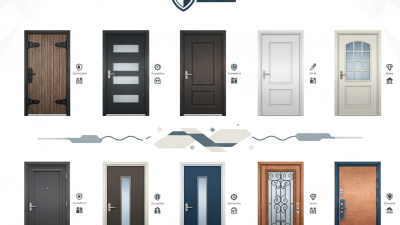
Different Types of Stainless Steel Doors and Their Uses
Stainless steel doors come in various types, each with unique features. The most common types include hollow metal doors, which are durable and secure.
They are often used in commercial buildings. This type of door is resistant to fire and impact. It offers excellent security against forced entry.
Another popular choice is the stainless steel entry door.
These doors offer a sleek appearance. They are often used in residential buildings for a modern look. Their resistance to corrosion makes them ideal for various weather conditions. However, they can be prone to scratches, requiring regular maintenance.
Sliding stainless steel doors provide an elegant solution for spaces with limited room.
They save space while allowing natural light to flow in. Their design can make a room feel larger and more airy. On the downside, these doors may need consistent cleaning. Dust and fingerprints can be more visible on the shiny surface. Ultimately, choosing the right type of stainless steel door involves understanding your specific needs and environment. Each type has benefits and drawbacks, warranting careful consideration.
How to Measure Your Space for a Stainless Steel Door
Choosing the right stainless steel door starts with accurate measurements. Proper measurements ensure a perfect fit, enhancing both functionality and aesthetic appeal. Start by using a reliable measuring tape. Measure the height and width of the door frame. Note any obstructions, such as handles or locks. Industry reports suggest that improper measurements can lead to installation issues in 30% of all door projects.
Consider the thickness of the door as well. Most stainless steel doors come in various thicknesses, typically between 1.75 to 2 inches. A thicker door may provide better insulation and security. Ensure your door's dimensions align with the opening. Remember that the gap between the door and frame is crucial for smooth operation. An average gap of 1/8 to 1/4 inches is recommended. This allows for expansion and contraction due to temperature changes, as reported by door manufacturers.
Don’t forget about the floor surface. Measuring the space where the door will swing is vital. A crowded area might lead to scratches or operational difficulty. Be mindful of how the door opens in relation to furniture or walls. Taking these details into account will ultimately lead to a better choice, saving time and reducing the need for costly adjustments. Every mistake in measurement could potentially compromise the whole project. It's essential to double-check your work.
How to Choose the Best Stainless Steel Door for Your Needs? - How to Measure Your Space for a Stainless Steel Door
| Dimension |
Measurement Method |
Considerations |
| Width |
Measure the opening width from wall to wall. |
Account for door frame and any obstructions. |
| Height |
Measure from the floor to the top of the opening. |
Ensure there is enough clearance for the door hardware. |
| Thickness |
Standard thickness ranges from 1.75 to 2 inches. |
Consider insulation needs for environment. |
| Aesthetic Preferences |
Choose style and finish that complements your building. |
Consider the overall architectural style. |
| Security Features |
Assess locking mechanisms and reinforcement options. |
Choose based on potential threats in the area. |
Assessing the Durability and Maintenance of Stainless Steel Doors
When considering stainless steel doors, durability is paramount. These doors resist corrosion and can withstand various weather conditions. According to a report from the International Door Association, stainless steel doors can last up to 50 years with proper maintenance. Their non-porous surface makes them less susceptible to moisture damage compared to wood or plastic alternatives.
Maintenance requirements should be minimal, but regular cleaning is essential. Using mild detergent and water can keep the surface shiny. Over time, scratches may appear, but they can often be buffed out. A study by the American Society of Interior Designers revealed that 75% of property owners reported satisfaction with the low maintenance of stainless steel doors. However, their reflective nature can show fingerprints or smudges more easily, which some may find frustrating.
Choosing the right door involves weighing these factors against the specific needs of your environment. The initial cost can be higher than wood, but the long-term savings from reduced maintenance and replacement needs are significant. A 2020 study found that the lifecycle cost of stainless steel doors is 20% lower than that of traditional materials. Investing wisely in materials can ultimately enhance the durability and functionality of your entryway.
Cost Comparison and Budgeting for Stainless Steel Doors
Choosing the right stainless steel door involves understanding the costs involved. Prices can vary based on size, design, and thickness. A basic door might start at a few hundred dollars, while custom options can reach into the thousands. This makes budgeting essential. Consider not only the purchase price but also installation costs and future maintenance.
When setting your budget, it’s crucial to compare different suppliers. Some may offer lower prices but compromise quality, which can lead to more repairs. Research is vital. Look for reliable sources that discuss door features and costs. You may find unexpected expenses if you don't plan properly.
Also, reflect on your long-term needs. A door that seems affordable now may cost more over time if it requires frequent upkeep. Consider energy efficiency as well. Investing in a better door might save money on utilities. It's about balancing upfront costs with future savings. Think carefully about what fits your lifestyle and budget.