Leave Your Message
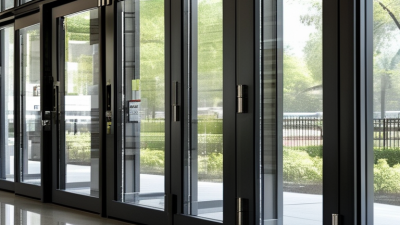
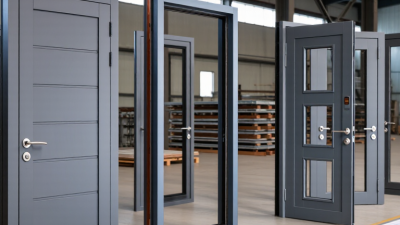
Metal Entry Doors With Glass can change the feeling of an entrance before a visitor crosses the threshold. They combine a strong steel or aluminum frame with daylight, visibility, and a more open architectural character. The result can feel secure without appearing closed off. Yet the choice deserves careful evaluation.
Architect Ludwig Mies van der Rohe’s often-cited statement, “God is in the details,” applies perfectly here. The glass size, frame depth, hinge quality, threshold, and seal design all influence daily performance. A beautiful door can still disappoint if water reaches the sill or the hardware feels weak. Small details matter.
Experienced installers usually examine the opening, wall condition, drainage, and local climate before recommending a system. Thermal breaks can reduce unwanted heat transfer in insulated metal frames. Laminated or tempered safety glass may improve resilience and occupant protection. Powder-coated finishes can also support long-term appearance, although no coating remains maintenance-free forever.
That matters.
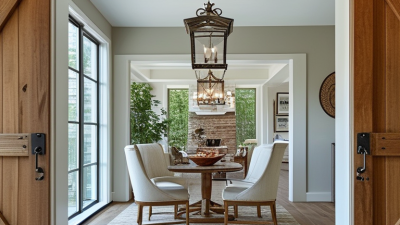
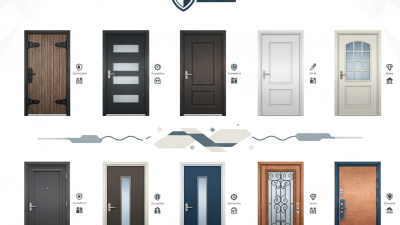
Metal Entry Doors With Glass may suit homes, offices, hospitality spaces, and renovated industrial buildings. Clear glass creates openness. Frosted or textured glass offers privacy while preserving natural light. Narrow sidelites can brighten a dark hallway without exposing the entire interior.
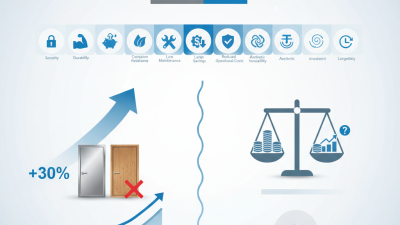
The strongest reason to choose this design is balance. It offers structure, light, and visual presence in one entrance. Still, it is not automatically the best solution. Budget, energy performance, privacy, security hardware, and professional installation should guide the final decision. A thoughtful door should look impressive on opening day and remain dependable years later.
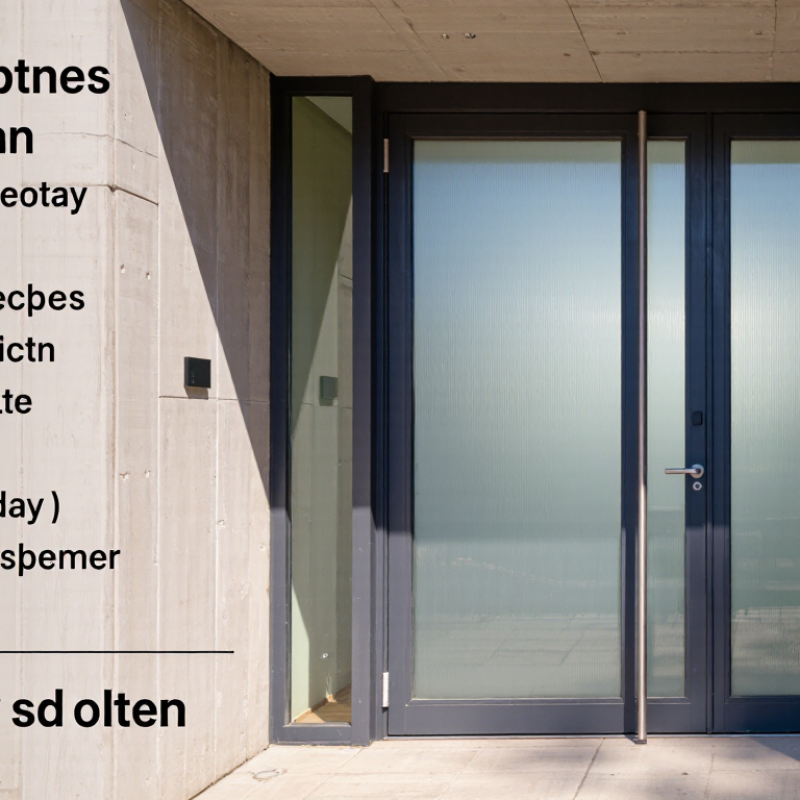
Metal-and-glass entry doors combine a strong frame with a glazed panel, creating a practical focal point for the entrance. Steel offers excellent rigidity and impact resistance, while its heavier weight may require stronger hinges and careful installation. It also needs a durable protective finish, especially in humid or coastal environments.
Aluminum provides a lighter alternative. It resists rust and works well for wide door designs or frequent daily use. However, aluminum is softer than steel and can transfer outdoor temperatures more quickly without a thermal break. The frame specification matters. A low-quality finish can still fade, scratch, or weaken over time.
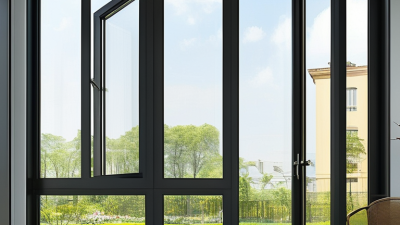
Glazing means the glass installed within the metal frame. Insulated glass can reduce heat transfer, while laminated glass helps hold broken pieces together. Tempered glass offers improved resistance to sudden temperature changes and accidental impact. Clear glass brings daylight into a dark hallway, but frosted or textured glass gives more privacy. Small details matter.
A properly fitted gasket prevents drafts and rattling around the glass. Poor drainage can create trouble. I have seen attractive doors underperform because the threshold was installed without enough attention to water flow. Door size, local weather, hardware weight, and cleaning habits should guide the final choice. More glass is not always better. A narrow glazed panel may deliver daylight while preserving privacy and reducing maintenance. Industry guidance should be checked before ordering, because safety requirements vary by location.
What Metal-and-Glass Entry Doors Are: Steel, Aluminum, and Glazing Basics
| Comparison Dimension | Steel Entry Doors | Aluminum Entry Doors | Glass and Glazing Considerations |
|---|---|---|---|
| Primary Material | Usually formed from galvanized or coated steel sheets over a reinforced or insulated core. | Usually made from extruded aluminum profiles with hollow or thermally improved sections. | Glass is installed as an insulated, laminated, tempered, or standard glazing unit within the metal frame. |
| Approximate Material Density | About 7,850 kg/m³, making steel substantially heavier than aluminum. | About 2,700 kg/m³, which helps reduce frame and door-panel weight. | Typical glass density is about 2,500 kg/m³, although the final weight depends on thickness and construction. |
| Strength and Rigidity | High stiffness and impact resistance; suitable for robust security-focused door assemblies. | Good structural performance when properly engineered, but profiles may require larger sections or internal reinforcement. | Laminated glass improves resistance to penetration because its interlayer helps hold broken pieces together. |
| Thermal Conductivity | Approximately 45–60 W/m·K for uninsulated steel, so insulation and thermal breaks are important. | Approximately 200–235 W/m·K for aluminum, making a thermal break especially valuable. | Single glass transfers heat readily; double or triple glazing lowers heat transfer through sealed insulating spaces. |
| Thermal Performance | Insulated cores, perimeter weatherstripping, and low-conductivity glass can improve energy performance. | Thermally broken frames reduce heat flow between the exterior and interior portions of the frame. | Low-emissivity coatings, argon-filled cavities, and warm-edge spacers can improve the glazing unit’s insulation. |
| Corrosion and Moisture Resistance | Requires a durable coating, galvanization, or other corrosion protection, especially at exposed edges and cutouts. | Naturally forms a protective oxide layer and is generally well suited to humid or coastal environments when correctly finished. | Glass does not rust, but metal glazing beads, fasteners, seals, and drainage paths still require suitable corrosion protection. |
| Typical Maintenance | Inspect coatings, bottom edges, hinges, seals, and drainage areas; repair damaged finishes promptly to limit rust. | Clean periodically and inspect the finish, hardware, seals, and drainage openings. | Clean with a non-abrasive solution and check seals for cracking, shrinkage, condensation, or loss of airtightness. |
| Security Options | Can accommodate reinforced lock areas, multi-point locking systems, hinge protection, and strong door cores. | Can provide good security with reinforced profiles, secure hardware, and correctly anchored frames. | Laminated security glass is generally preferred where forced-entry resistance is a priority; tempered glass is designed primarily for safer breakage. |
| Natural Light | Glass panels or narrow sidelites can introduce daylight while retaining a substantial metal door structure. | Large glazed areas and slim aluminum profiles can create a lighter visual appearance and broad sightlines. | Clear glass provides the most daylight; frosted, patterned, tinted, or textured glass increases privacy while transmitting light. |
| Weather Resistance | Performance depends on continuous weatherstripping, a properly sealed threshold, quality coatings, and effective drainage. | Performance depends on frame design, thermal breaks, gaskets, drainage, and correct installation. | Insulating glass units should be properly sealed, supported, and sized to accommodate thermal movement. |
| Common Glass Configurations | Single glazing, double insulating glass, laminated glass, tempered glass, or combinations of these. | Single glazing, double or triple insulating glass, laminated glass, tempered glass, or combinations of these. | Double glazing typically has two panes separated by a sealed air or inert-gas space; triple glazing uses three panes and two spaces. |
| Privacy and Solar Control | Can combine metal panels with limited glazing for privacy and reduced solar exposure. | Can support larger glazed sections, but orientation and glass specification should be considered to control glare and heat gain. | Low-emissivity, tinted, reflective, fritted, or patterned glass can help manage solar gain, glare, and visibility. |
| Design Character | Often creates a solid, architectural appearance with strong visual mass and crisp panel lines. | Often creates a slim, contemporary appearance with narrow sightlines and flexible frame profiles. | Glass selection strongly affects transparency, privacy, daylight, texture, and the overall entrance appearance. |
| Best-Fit Applications | Security-oriented homes, high-traffic entrances, and designs where durability and a substantial door feel are priorities. | Modern entrances, humid or coastal locations, larger glazed openings, and projects where lower weight is beneficial. | Choose the glazing type according to safety, security, insulation, privacy, daylight, and solar-control requirements. |
| Important Specification Checks | Confirm steel thickness, core type, reinforcement, finish system, thermal performance, hardware support, and threshold design. | Confirm profile strength, thermal-break design, finish quality, fasteners, hardware support, and drainage details. | Confirm glass safety classification, pane thickness, spacer type, gas fill if used, U-value, solar heat-gain rating, and visible transmittance. |
Performance varies with door size, frame design, installation quality, climate, hardware, coatings, and glazing specification. For safety glazing, local building codes should be checked before selecting the final glass configuration.