Fire safety begins with evidence, not appearance. The National Fire Protection Association reported 1.39 million fires in the United States during 2023, causing approximately $22.1 billion in property damage. These figures explain why door selection deserves careful engineering. A Stainless Steel Glass Fire Door can help separate fire compartments while preserving visibility, daylight, and a stronger sense of space.
Stainless steel offers corrosion resistance, surface durability, and dependable performance in demanding environments. Hospitals, laboratories, commercial kitchens, and industrial corridors often face moisture, cleaning chemicals, or frequent impact. The glass panel adds supervision. Staff can check a corridor before opening the door. Visitors can locate exits more easily. Small details matter.
However, steel and glass alone do not create a fire-rated assembly. The complete door set must be tested as a system, including the frame, glazing, hinges, closer, seals, and hardware. UL Solutions certification, UL 10C testing, NFPA 80 guidance, and EN 1634-1 testing can provide useful benchmarks, depending on the project location and specification. Ratings must match the required fire exposure and installation conditions.
One point is often underestimated. Installation quality can weaken excellent products. Gaps, damaged intumescent seals, or unsuitable hardware may compromise performance. Facility teams should review certification documents, inspect the door regularly, and confirm maintenance responsibilities. The best Stainless Steel Glass Fire Door is not merely attractive. It is documented, correctly installed, and supported by disciplined inspection. Even then, no door replaces a complete fire strategy. That limitation deserves honest attention.
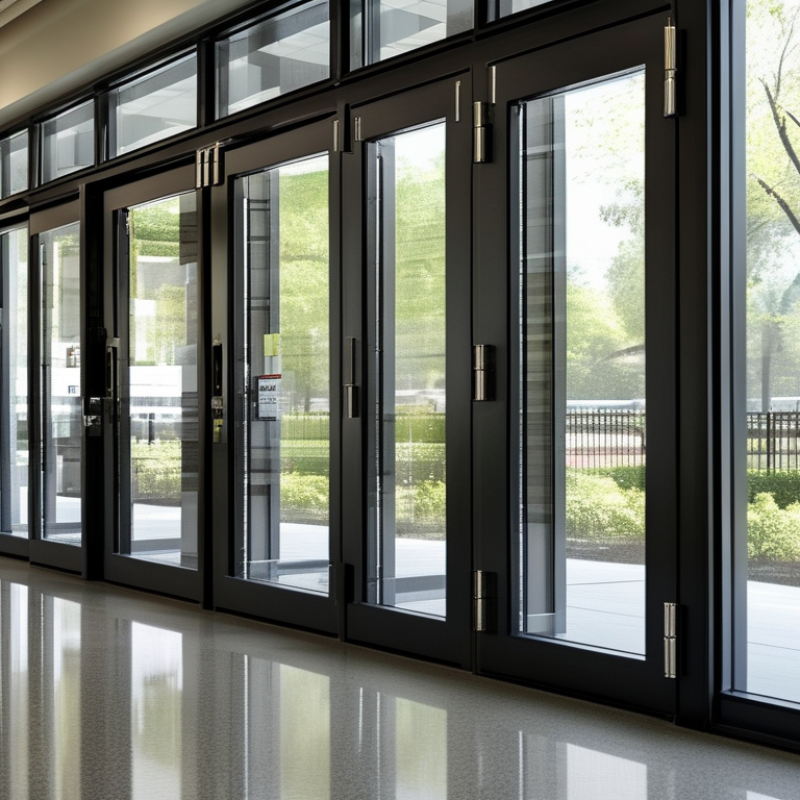
A stainless steel glass fire door is a tested fire-resisting door assembly. It usually combines a stainless steel frame, fire-rated glazing, seals, hinges, and a controlled closing device. The glass is not ordinary architectural glass. It may contain wired, ceramic, or laminated fire-resistant layers, depending on the required rating. During a fire, the complete assembly helps limit flames, heat, and sometimes smoke between protected areas.
Stainless steel offers a clean surface and strong resistance to moisture, impact, and frequent cleaning. This suits hospitals, commercial kitchens, laboratories, and busy public corridors. Through practical inspection, installers often notice problems around the edges first. A small gap, damaged seal, or loose hinge can reduce performance. The door must match its tested configuration. Changing the glass, hardware, or frame later may invalidate the fire rating. That detail is easy to overlook.
Tips: Check the certified fire rating, glazing label, and installation instructions before purchase. Ask a qualified professional to confirm local requirements. Keep the closing path clear. Inspect seals and hinges regularly. A polished finish looks reassuring, but appearance alone proves very little. Even experienced teams can miss a damaged perimeter seal. That is worth checking again.
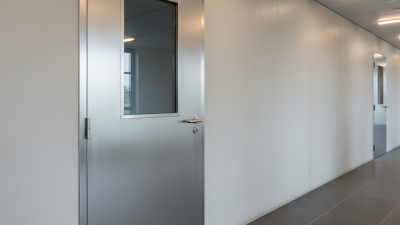
Stainless steel and fire-resistant glass protect people in different but connected ways. The steel frame provides structural stability around the opening. It also resists corrosion in humid corridors, kitchens, and busy public buildings. The glazing preserves visibility, helping occupants recognize smoke, flames, or people needing assistance. During a fire, specially formulated glass limits flame spread and reduces radiant heat transfer, depending on its tested classification. NFPA’s Fire Loss in the United States During 2023 reported about 1.39 million fires and 3,670 civilian fire deaths. Clear escape routes matter.
The frame and glass must work as one tested assembly. Not separately. Standards such as ASTM E119 and NFPA 252 evaluate fire endurance, hose-stream performance, and door behavior. A professional specification should verify the rating, glazing thickness, frame profile, seals, hinges, closer, and installation method. One weak component can compromise the opening. This detail is often underestimated. Stainless steel may conduct heat quickly, while glass may crack when exposed to uneven temperatures. Designers therefore need compatible gaskets, tested edge conditions, and correct clearances. Field inspections should also check damaged seals, loose hardware, and unauthorized drilling. The system is strong, but not magical. Real buildings are less perfect than test rooms. That gap deserves careful review.
Stainless steel glass fire doors combine a clean appearance with essential safety performance. They suit hospitals, offices, hotels, and public buildings where visibility matters. Staff can see movement through the glass before opening the door. That small advantage may improve daily awareness.
Their main benefit is controlled fire resistance within a tested door assembly. The frame, glass, seals, hinges, and hardware must work together. A qualified supplier should provide test evidence and a suitable fire rating. Do not judge safety by appearance alone. Fire-rated glass is specially designed for heat exposure and must match the approved system. Local building requirements still matter.
Stainless steel offers strong resistance to corrosion, moisture, and frequent cleaning. It also creates a durable surface in busy entrances and service areas. Yet it is not maintenance-free. Fingerprints, harsh chemicals, or poor cleaning methods can damage its finish. Regular inspections should check seals, closing action, hinges, and visible damage. Installation matters as much as material selection. An attractive door can perform poorly when fitted incorrectly. That detail is easy to overlook. Careful records and professional inspections make the safety claim more reliable over time.
A stainless steel glass fire door combines a durable frame with controlled visibility, but appearance does not prove fire performance. Fire-rated glass must resist flames, heat, and smoke for a tested period. The required rating may be 20, 45, 60, or 90 minutes, depending on the wall assembly and building use. NFPA’s 2023 Fire Loss report recorded about 1.39 million fires in the United States, showing why verified compartmentation matters.
Certification should match the project’s jurisdiction. Common evidence includes testing under NFPA 252, ASTM E2074, or EN 1634-1, with classification under EN 13501-2 where applicable. The complete assembly matters. Glass, stainless steel frame, hinges, closer, seals, and hardware must be tested together. A frame with certified glass is not automatically a certified door. That assumption is risky. Inspectors also check the permanent rating label, installation details, clearances, and self-closing action. NFPA 80 requires periodic inspection and maintenance of fire door assemblies, although local rules may add stricter intervals.
Tips: Ask for the test report, listing certificate, and installation instructions before ordering. Confirm the wall rating first. Check whether the glass provides integrity only or insulation as well. Keep seals clean and undamaged. A beautiful door can still fail when fitted with the wrong hardware. I have seen specifications focus on steel thickness while ignoring smoke seals; that is a costly oversight. Recheck every component on site.
| Evaluation Dimension | Typical Requirement or Rating | What It Means for a Stainless Steel Glass Fire Door | Applicable Standard or Reference |
|---|---|---|---|
| Fire-resistance duration | 20, 45, 60, 90, or 120 minutes | The complete door assembly may be designed and tested to resist fire for a specified period. The frame, glazing, seals, hardware, and installation method must be included in the tested or certified assembly. | NFPA 252; UL 10C; EN 1634-1 |
| North American fire-door testing | Positive-pressure fire test for the complete door assembly | Testing evaluates the ability of the door, frame, glazing, and hardware to remain in place and limit the passage of fire and hot gases under the specified test conditions. | UL 10C; NFPA 252 |
| European fire classification | E, EW, or EI classification | E indicates integrity; EW indicates integrity and restricted radiation; EI indicates integrity and insulation. The classification is normally followed by a time period in minutes. | EN 13501-2; EN 1634-1 |
| Integrity performance | E 30, E 60, E 90, or another tested period | The door assembly must prevent flames and hot gases from passing through the unexposed side for the stated period, subject to the test standard and acceptance criteria. | EN 13501-2; EN 1634-1 |
| Insulation performance | EI 30, EI 60, EI 90, or another tested period | In addition to integrity, the unexposed surface must remain within the temperature limits specified by the classification standard. Fire-rated glazing is often the controlling component. | EN 13501-2; EN 1634-1 |
| Radiation-control performance | EW 30, EW 60, or another tested period | The assembly limits heat radiation through the glazed area and other parts of the door for the declared period. This is different from an EI insulation classification. | EN 13501-2; EN 1634-1 |
| Smoke-control performance | Sa or S200 classification where required | Smoke-control performance is separate from fire-resistance performance. The door may require tested perimeter seals, a controlled clearance, and compatible hardware to limit smoke leakage at ambient or elevated temperature. | EN 13501-2; EN 1634-3 |
| Fire-rated glazing | Glazing must have a rating compatible with the door assembly | Ordinary tempered, laminated, or wired glass should not be assumed to be fire-rated. The glazing type, thickness, maximum pane size, glazing method, beads, setting blocks, and edge clearances must match the tested configuration. | EN 1634-1; UL 10C; applicable fire-rated glazing listing |
| Stainless steel frame and leaf | Material selection supports corrosion resistance, not an automatic fire rating | Stainless steel can be suitable for humid, hygienic, or corrosive environments, but the steel grade, thickness, reinforcement, joints, and construction do not establish a fire rating unless the complete assembly has been tested or assessed. | Project specification; tested assembly documentation |
| Safety glazing requirements | Safety glazing may be required in hazardous or impact-prone locations | Fire-rated glass must also satisfy the applicable impact-safety requirements when installed in doors, sidelights, or areas subject to human impact. Fire performance and impact performance are separate properties. | ANSI Z97.1; 16 CFR 1201; EN 12600, where applicable |
| Self-closing function | Required for most fire-door assemblies | The door closer or approved self-closing device must reliably return the door to the closed position after use. Hold-open devices, if permitted, generally require an approved release arrangement connected to the fire-alarm system. | NFPA 80; EN 1154, where applicable |
| Positive latching | Required where specified by the fire-door assembly standard | The latch or locking device must engage securely when the door is closed. Hardware substitutions can invalidate the tested or certified configuration. | NFPA 80; UL 10C; EN 1634-1 |
| Hardware compatibility | Hinges, pivots, locks, closers, seals, and vision-panel components must be approved for the assembly | Fire performance depends on the combined behavior of the door leaf, frame, glazing system, seals, and hardware. Components should be installed within the limits stated in the listing or test report. | NFPA 80; UL certified assembly requirements; EN 1634-1 |
| Certification evidence | Product label, certification record, test report, or approved assessment | Documentation should identify the fire rating, test method, door type, maximum dimensions, glazing limitations, hardware conditions, installation requirements, and permitted field modifications. | NFPA 80; UL 10C; EN 13501-2; EN 1634-1 |
| Installation and inspection | Installation must follow the certified assembly instructions | Incorrect wall construction, excessive clearances, unapproved field cutting, missing seals, or incompatible hardware can reduce fire performance even when the door components individually appear suitable. | NFPA 80; local building and fire codes |
| Maintenance requirement | Routine inspection and operational testing | Inspect closing action, latching, glazing, seals, hinges, frame condition, and visible damage. Fire doors should remain unobstructed and should not be propped open unless an approved release system is provided. | NFPA 80; local fire-safety regulations |
A stainless steel glass fire door can combine visibility, corrosion resistance, and controlled fire separation. Yet stainless steel alone does not make a door fire-rated. The complete assembly must be tested, including the frame, glazing, hinges, closer, seals, and latch. NFPA’s Fire Loss in the United States During 2023 reported about 1.39 million fires nationwide. That scale makes careful door selection more than a design decision.
Choose the required fire-resistance period from the wall rating, occupancy, and local code. Then verify third-party test evidence, such as UL 10C or EN 1634-1, where applicable. The glass should carry a permanent identification mark. Check that the frame sits squarely, with no gaps or distorted corners. In humid corridors or coastal buildings, stainless steel may resist corrosion better than painted steel. Still, salt deposits can attack hardware and seals. A polished surface can hide a weak closer. That detail matters.
Tips: Follow NFPA 80’s requirement for inspection at least annually by a qualified person. Inspect the door in real use, not only during handover. Confirm self-closing action, latch engagement, clear glazing, intact intumescent seals, and unobstructed swing. Record every defect and repair promptly with approved components. Do not drill, wedge, or replace hardware casually. No inspection plan is perfect. People miss small changes, especially after renovations. Review the door after nearby construction, heavy traffic, or water exposure.
Stainless steel offers corrosion resistance and durability, while fire-rated glass preserves visibility and daylight. The correct door should be selected according to its tested fire-resistance classification, the building’s risk profile, and local code requirements.
The chart shows common integrity classifications expressed as minutes under the EN 13501-2 system: E30, E60, E90, and E120. These durations apply only to complete tested door assemblies, including the frame, glazing, seals, hardware, and installation method.