Top Benefits of Thermal Insulation Aluminum Windows for Energy Efficiency?
Thermal Insulation Aluminum Windows have become essential in modern construction. They not only enhance a building's aesthetics but also significantly improve energy efficiency. The use of thermal insulation technology in aluminum windows helps maintain indoor temperatures. This leads to reduced energy consumption and lowers utility bills.
In addition to energy savings, these windows provide excellent durability and low maintenance. They resist weathering and corrosion, ensuring long-term performance. With a variety of styles and finishes, Thermal Insulation Aluminum Windows can complement any architectural design. However, selecting the right product can be overwhelming. Different manufacturers offer various thermal insulation properties.
The benefits may vary based on specific needs and local climate conditions. It's crucial to weigh factors such as installation costs, energy ratings, and aesthetic preferences. As homeowners become more eco-conscious, understanding these windows' advantages is vital. Embracing Thermal Insulation Aluminum Windows can lead to a significant impact on energy efficiency and sustainability.
Advantages of Thermal Insulation in Aluminum Windows
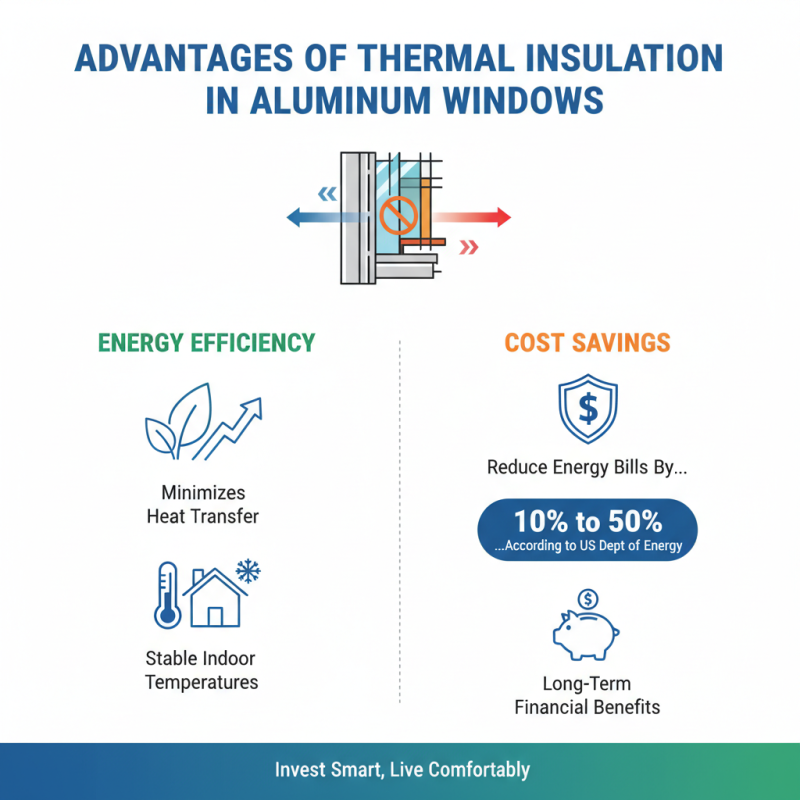
Thermal insulation in aluminum windows significantly enhances energy efficiency. These windows use advanced materials designed to minimize heat transfer. According to the U.S. Department of Energy, proper insulation can reduce energy costs by 10% to 50%. This striking figure underlines the financial benefits of choosing insulated windows.
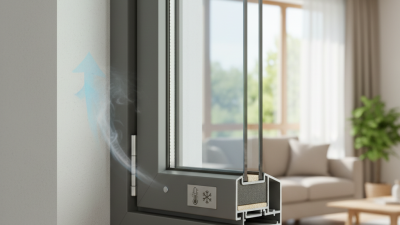
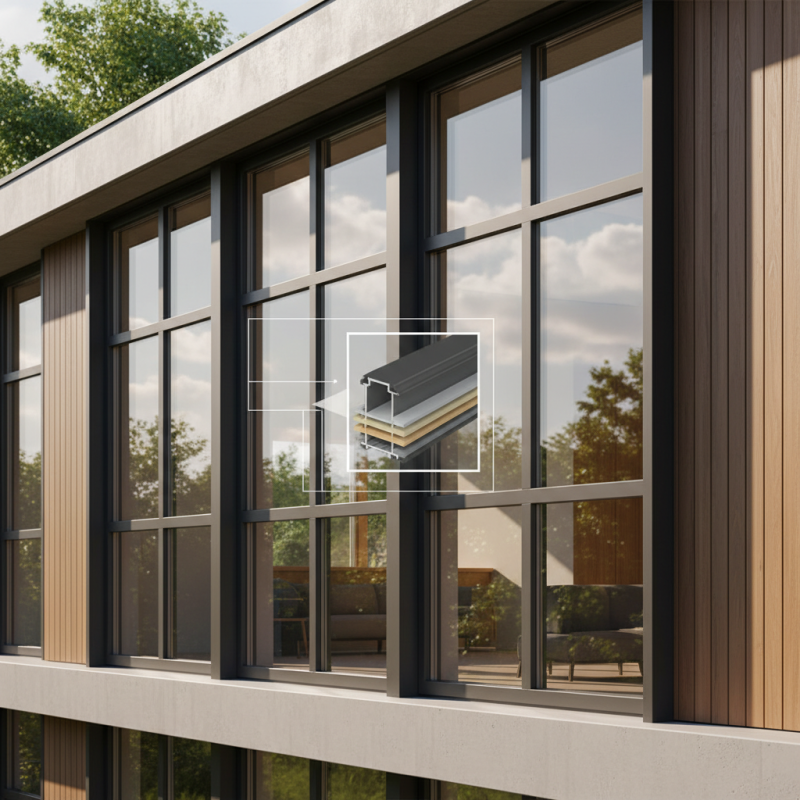
The technology involves a thermal break within the frame. This break minimizes thermal conduction, keeping homes warmer in winter and cooler in summer. A study conducted by the American Society of Heating, Refrigerating and Air-Conditioning Engineers indicates that homes using thermal insulated windows can experience up to a 30% reduction in heating and cooling energy consumption. Remarkably, these benefits occur without sacrificing aesthetic appeal.
Integration of thermal insulation does present challenges. Installation requires precise measurement and skilled labor to ensure maximum efficacy. Even slight misalignments can compromise insulation performance. In addition, some homeowners might hesitate due to perceived higher initial costs. Yet, over time, savings on energy bills often outweigh these initial investments, leading to a more sustainable and cost-effective solution.
Impact of Energy Efficiency on Home Heating and Cooling Costs
When considering home energy efficiency, windows play a crucial role. Thermal insulation aluminum windows provide effective barriers against temperature fluctuations. This can significantly reduce heating and cooling costs. These windows minimize heat loss during winter and keep home interiors cool in summer. Homeowners may save 20% to 30% on energy bills, translating to substantial annual savings.
In colder climates, efficient windows keep homes warmer. In warmer regions, they help maintain cooler indoor temperatures. The initial investment in thermal insulation windows proves worthwhile over time. However, some homeowners hesitate to upgrade. They worry about installation costs and potential disruption. It’s essential to weigh these concerns against potential savings.
Improving your home’s energy efficiency impacts not only bills but also comfort levels. Drafty windows lead to discomfort. With better insulation, homes feel more consistent in temperature. While the benefits are clear, the decision to upgrade requires careful thought. Investing in quality insulation is a step towards sustainability and cost-effectiveness.
Top Benefits of Thermal Insulation Aluminum Windows for Energy Efficiency
| Benefit |
Description |
Impact on Energy Costs |
Potential Savings (%) |
| Improved Insulation |
Reduces heat transfer, keeping homes warmer in winter and cooler in summer. |
Lower heating and cooling costs due to reduced energy usage. |
Up to 30% |
| Condensation Reduction |
Mitigates moisture buildup, preventing mold and mildew. |
Enhances indoor air quality, reducing health-related costs. |
N/A |
| Sound Insulation |
Dampens external noise, providing a quieter home environment. |
Increases comfort, leading to potential increases in property value. |
N/A |
| Longevity |
Durable frame materials that do not warp or require repainting. |
Lower replacement costs over time. |
N/A |
| Aesthetic Value |
Available in various styles and finishes, enhancing home curb appeal. |
Can increase property value and attract buyers. |
N/A |
Comparative Analysis: Thermal Insulation vs. Traditional Windows
When comparing thermal insulation aluminum windows to traditional windows, energy efficiency emerges as a crucial factor. Thermal insulation windows have specific features that significantly reduce heat transfer. This means your home stays warmer in winter and cooler in summer. Traditional windows can let heat escape, increasing energy costs. With rising energy bills, this difference becomes stark.
Another important aspect is condensation management. Thermal insulation windows are less prone to condensation because of better thermal performance. When condensation forms, it can lead to mold growth and damage over time. This is a risk with traditional windows, which can create uncomfortable living conditions. The materials used in thermal windows also contribute to sustainability. They often require less energy for production compared to conventional options. Such factors highlight a potential challenge and an area for further investigation.
While the initial investment for thermal insulation windows may be higher, many homeowners find long-term savings appealing. These windows can last longer than traditional types. However, it's essential to weigh these benefits against upfront costs. Exploring individual home needs and climate can guide the decision-making process. It's vital to assess whether the benefits align with personal circumstances.
Environmental Benefits of Energy-Efficient Aluminum Windows
Energy-efficient aluminum windows offer significant environmental benefits. They contribute to reducing our carbon footprint. According to the U.S. Department of Energy, about 30% of a home's energy loss occurs through windows. By installing thermal insulation aluminum windows, homeowners can minimize this energy loss. This translates to lower energy bills and a reduced reliance on fossil fuels.
Moreover, these windows are designed for longevity. They are resistant to weather elements, which helps maintain their energy efficiency over time. A lifecycle analysis by the Aluminum Association suggests that aluminum windows can last over 40 years with proper maintenance. This durability means fewer replacements and less waste.
However, challenges do exist. Not all aluminum windows are created equal. Some may have less effective insulation properties. It’s crucial to verify product specifications and energy ratings. Even when opting for energy-efficient solutions, the initial cost can be a barrier for some. This points to the need for education on long-term savings versus initial investment. Making informed choices is vital for maximizing environmental impact.
Top Benefits of Thermal Insulation Aluminum Windows for Energy Efficiency
Long-Term Savings and Value Addition from Thermal Insulated Windows
Thermal insulation aluminum windows offer significant long-term savings by enhancing energy efficiency. These windows reduce heat loss in winter and minimize heat gain in summer. Homeowners notice lower energy bills as heating and cooling demands decrease. This is especially valuable in regions with extreme temperatures. Over time, the cost savings can contribute to a noteworthy return on investment.
Quality thermal insulation leads to improved indoor comfort. Instead of drafts and cold spots, homes maintain a consistent temperature. This not only enhances comfort but also prolongs the lifespan of heating and cooling systems. Windows play a crucial role in the overall energy performance of a property. The upfront investment in thermal insulation can translate into higher property value, making it an attractive option for future buyers.
However, choosing the right installation and ensuring proper maintenance can be challenging. Poor installation can negate the energy benefits these windows provide. Homeowners should consider regular inspections and consultations with professionals to avoid future issues. Investing in thermal insulation aluminum windows is a commitment, and careful planning is essential to maximizing the advantages.