2026 How to Choose the Right Thermal Insulation Aluminum Window?
Choosing the right thermal insulation aluminum window can be challenging. These windows offer excellent energy efficiency and modern aesthetics. However, not all options are equal. Understanding their features is crucial for making an informed decision.
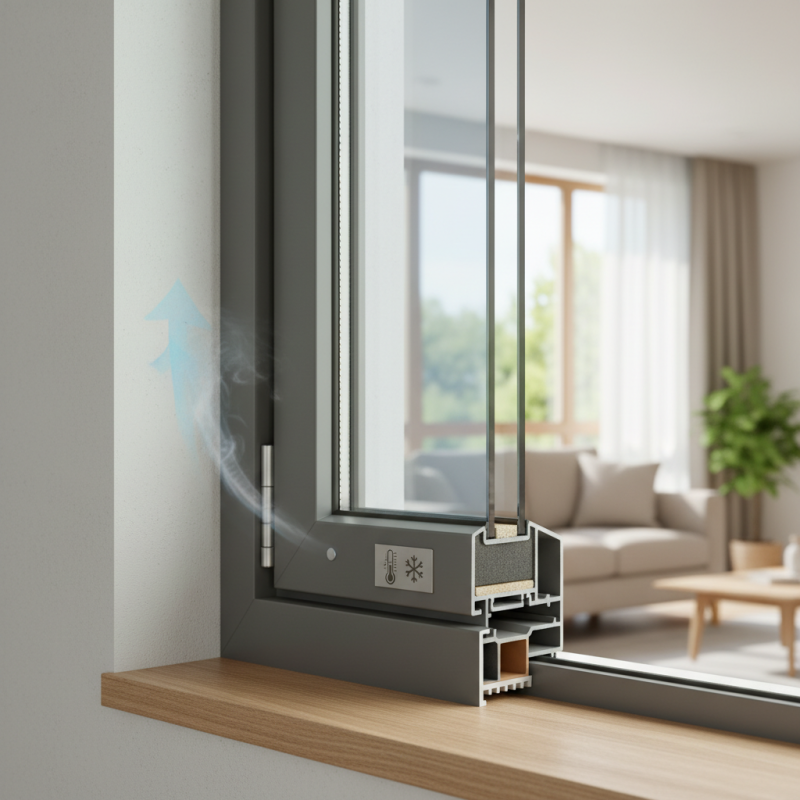
Consider the insulation rating of the thermal insulation aluminum window. A higher rating indicates better thermal performance. Additionally, look at the framing materials. The choice can affect durability and temperature control. Pay attention to sealing capabilities. Poor seals may lead to air leaks.
Keep aesthetics in mind too. The style should match your home. Many designs are available, so explore different finishes. However, sometimes features that look appealing may compromise function. Ensure that your choice balances beauty with practicality. This careful consideration can lead to enhanced comfort and reduced energy bills in the long run.
Understanding Thermal Insulation in Aluminum Windows
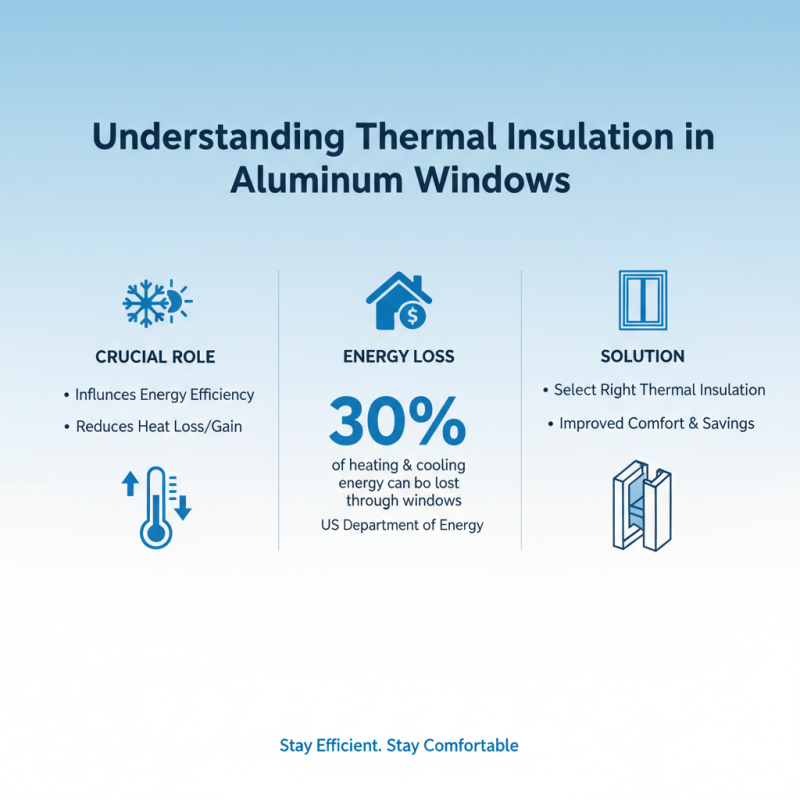
Thermal insulation plays a crucial role in aluminum windows. Its effectiveness can significantly influence energy efficiency. According to the U.S. Department of Energy, about 30% of heating and cooling energy can be lost through windows. This highlights the need for selecting the right thermal insulation.
Different types of insulation materials affect performance. Polyamide thermal breaks are common in aluminum windows. They help significantly reduce heat transfer. Research from the National Institute of Standards and Technology suggests that these materials can improve energy efficiency by up to 50%. However, quality varies among manufacturers. Not all thermal insulation solutions meet industry standards.
Installation quality also matters. Poor installation can negate the benefits of good insulation. A study by the National Fenestration Rating Council found that improper sealing could lead to a 20% drop in insulation effectiveness. Homeowners should ensure professionals handle installations to optimize insulation performance. Taking time to assess insulation options will lead to better energy savings and comfort in homes.
Key Factors to Consider When Choosing Aluminum Windows
When selecting aluminum windows, several key factors play a critical role.
Energy efficiency is paramount. Look for windows with high thermal insulation properties.
These windows reduce heating and cooling costs significantly. The frame type matters, too.
A well-constructed frame enhances structural integrity and insulation performance.
Another important consideration is durability. Aluminum windows should withstand various weather conditions.
Think about corrosion resistance. This feature is essential for longevity.
A good window will also offer minimal maintenance requirements. Pay attention to the sealing systems.
Quality seals prevent air leakage, which boosts thermal performance.
Customization options can enhance both functionality and aesthetics. Choose window styles that complement your home design.
However, be cautious with overly complex designs. Simplicity often yields better energy efficiency.
Encourage feedback from homeowners with similar installations. This insight can reveal potential issues you might not have considered.
Comparing Different Types of Thermal Insulation Materials
When selecting thermal insulation materials for aluminum windows, various options are available. Each type has its unique properties and benefits. Common materials include expanded polystyrene (EPS), polyurethane (PUR), and fiberglass. EPS is lightweight and cost-effective, making it a popular choice for new installations. PUR, on the other hand, offers superior insulation performance but may be pricier. Fiberglass serves well in both thermal and sound insulation, but its installation requires expertise.
Tips: Always consider the climate in your area. Choose materials that can handle local temperature extremes effectively. Think about your home’s architecture and the overall aesthetic. Not all materials blend well with every design.
Reflect on the long-term performance of chosen materials. Will they last over time? Will they require more maintenance? Knowing how different materials react to moisture is essential. Poor choices may lead to mold and insulation failure. Hence, you should seek professional advice if unsure.
The ultimate goal is to achieve energy efficiency. However, finding the right balance between cost and performance can be tricky. Choose wisely to ensure lasting comfort in your home.
Evaluating Energy Efficiency Ratings of Aluminum Windows
When choosing aluminum windows, energy efficiency ratings are crucial. These ratings help identify how well a window can insulate your home. Look for indicators like
U-factor,
Solar Heat Gain Coefficient (SHGC), and
Visible Transmittance (VT).
Each of these metrics measures different aspects of energy loss and gain.
Understanding U-factor is essential. It gauges how well a window prevents heat from escaping. A lower U-factor means better insulation. SHGC indicates how much solar radiation passes through. This is vital for homes in sunny climates, where too much heat can increase cooling costs. VT reflects how much natural light enters while limiting heat gain.
Evaluating these ratings can be complex. Not all windows perform equally. Some might excel in one area but falter in another. It can be tempting to choose based solely on price. However, investing in energy-efficient windows can lead to significant savings over time. Always consult with professionals to better understand these ratings. Their expertise can help steer you toward options that truly fit your needs. Consider the climate where you live. Each detail impacts your home's overall energy efficiency.
Installation Best Practices for Optimal Thermal Performance
When installing thermal insulation aluminum windows, following best practices is crucial for optimal thermal performance. A proper installation creates a barrier against heat loss and improves energy efficiency. Ensuring a tight seal around the frame minimizes drafts.
Tips: Always check for any gaps before sealing. Small openings can lead to significant energy loss. Utilize high-quality insulating materials during the installation. This enhances the window's overall performance.
Temperature variations can cause materials to expand and contract. Ensure that your installation accounts for this movement. Misalignment during installation can lead to serious issues down the line. Always double-check your measurements and alignments before finalizing.
Using a level during the installation process is vital. It helps prevent future operational issues with the window. Periodically reassess your installation for any signs of wear or damage. Maintaining the integrity of the seals over time ensures continued efficiency.
2026 How to Choose the Right Thermal Insulation Aluminum Window? - Installation Best Practices for Optimal Thermal Performance
| Feature |
Description |
Benefits |
Installation Tips |
| Thermal Break |
Insulating material placed between the exterior and interior metal layers. |
Reduces heat transfer, improves energy efficiency. |
Ensure proper alignment during installation to maximize effectiveness. |
| Glazing |
The type and thickness of glass used in the window. |
Enhances thermal performance and noise reduction. |
Choose double or triple glazing for best results. |
| Sealing |
Quality of seals around the window frame. |
Prevents air leakage, maintaining indoor comfort. |
Check seals during installation and replace if damaged. |
| Frame Material |
Type of aluminum alloy used for the frame. |
Durable, lightweight, and resistant to corrosion. |
Select a frame that meets local climate requirements. |
| Installation Method |
Techniques used for mounting the window. |
Ensures stability and effectiveness of insulation. |
Follow manufacturer's instructions for best results. |