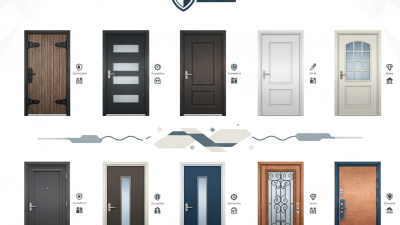
2026 Best Entry Door Options for Your Home Upgrade Guide?
In the quest for home improvement, selecting the right Entry Door is crucial. It is often the first impression visitors have of your home. According to Mark Stevens, a renowned architect in door design, “An Entry Door sets the tone for your entire home.” His insight highlights the importance of both aesthetics and functionality in this choice.
Homeowners often overlook the Entry Door's role in energy efficiency. A well-chosen door can significantly reduce energy costs. Drafty or poorly constructed doors lead to discomfort and higher bills. Many people assume that the cheapest option is adequate, but this can backfire. Investing in a quality Entry Door may require more upfront costs, but it pays off in the long run.
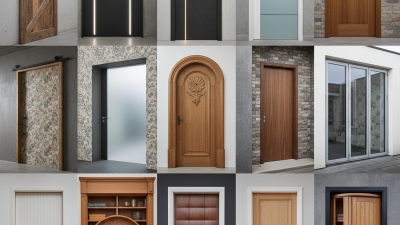
The diverse choices available can be overwhelming. From traditional wood to modern fiberglass, options abound. Each material presents unique advantages and challenges. Consumers must consider weather resistance, maintenance, and security features. It’s easy to get lost in design trends and forget practicality. A thoughtful approach ensures you select an Entry Door that complements your style while providing lasting value.
Understanding the Importance of Entry Doors in Home Design and Security
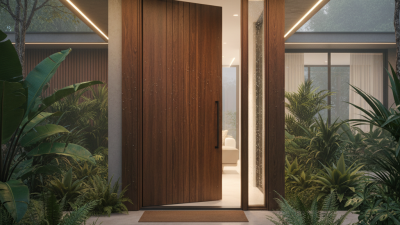
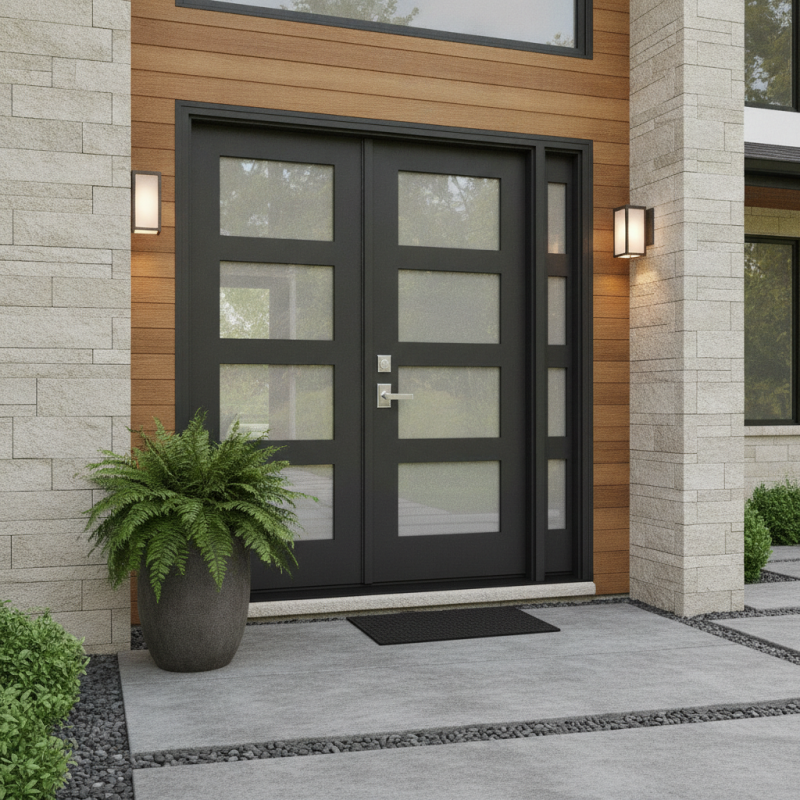
Entry doors play a crucial role in both the aesthetic and functional aspects of a home. They welcome guests while serving as the first line of defense against intruders. A sturdy, well-designed door can enhance your home's curb appeal. It can also provide peace of mind. Many homeowners overlook the quality of their entry doors, focusing instead on decorative elements. However, security should be a top priority.
Understanding the materials and construction of entry doors is essential. Solid wood doors offer warmth and charm but may need regular maintenance. Fiberglass doors are durable and energy-efficient. They resist warping and damage. Meanwhile, metal doors provide superior security features. Homeowners must consider their climate, lifestyle, and safety needs when choosing a door.
Consider the door’s hardware as well. Strong locks and quality hinges add to security. Homeowners often neglect these elements, which can create vulnerabilities. Addressing these small details can make a significant difference in overall security. Reflecting on these factors can inspire better choices for home upgrades. A thoughtful decision today can lead to a safer, more attractive entryway tomorrow.
Key Material Options for Entry Doors: Wood, Metal, and Fiberglass Analysis
When choosing entry doors for home upgrades, material selection is crucial. Wood, metal, and fiberglass each offer distinct benefits and challenges.
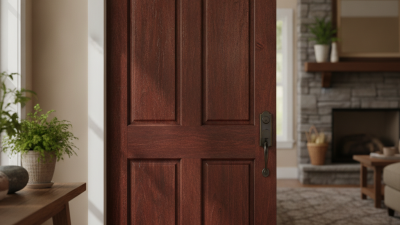
Wood doors are favored for their natural beauty and elegance. They can be customized with various stains and finishes.
However, they require regular maintenance to prevent warping and rot. The National Association of Home Builders reports that wood doors typically have a lifespan of
15-30 years, depending on climate conditions.
Metal doors provide strength and security. They often come with a steel core for added durability. Insulated metal doors can also enhance energy efficiency.
Yet, they may be prone to dents and corrosion over time. A study by The Door and Hardware Institute found that metal doors last around
20 years with proper care. Homeowners should assess their local climate and choose wisely.
Fiberglass doors are an emerging favorite. They mimic the look of wood but require minimal maintenance.
Resistant to warping, they also offer good insulation properties. According to the Fiberglass Door Manufacturers Association, these doors can last over
30 years, making them a long-term investment.
Considering both aesthetics and functionality is vital for making the right choice in entry doors.
Energy Efficiency Ratings: Comparing Entry Door Insulation Performance
When considering entry doors, insulation performance is a key factor. Energy efficiency ratings measure how well a door can resist temperature changes. According to the U.S. Department of Energy, poorly insulated doors can lead to a loss of 10 to 25% of a home's heating and cooling energy. This translates to increased utility bills and decreased comfort.
Fiberglass and steel doors generally offer better insulation compared to traditional wood doors. The R-value, a measure of thermal resistance, is crucial. An entry door with an R-value of 5 or more is typically considered energy-efficient. Reports indicate that doors with a higher R-value can save homeowners up to $300 annually in energy costs. However, not all fiberglass or steel doors provide the same level of insulation. It's essential to check the manufacturer's specifications for accurate ratings.
Installation quality also affects performance. Poorly fitted doors can create gaps, leading to drafts. Even the most energy-efficient door can't perform well if not installed correctly. Homeowners should invest in professional installation. Doing so ensures that the door functions as intended. Proper sealing with weather stripping is crucial too. This simple step can significantly enhance energy efficiency.
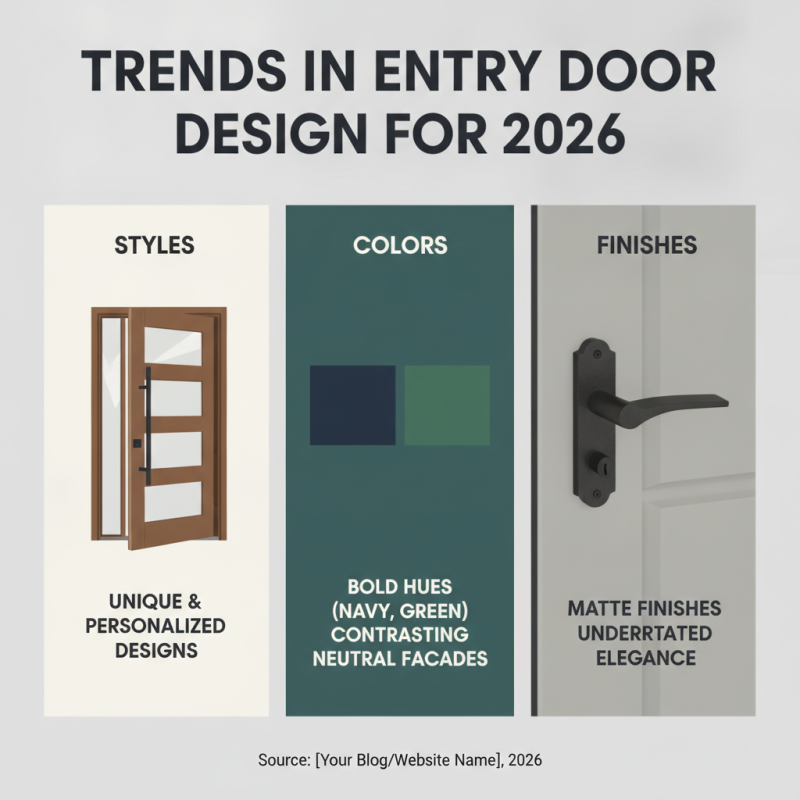
Trends in Entry Door Design for 2026: Styles, Colors, and Finishes
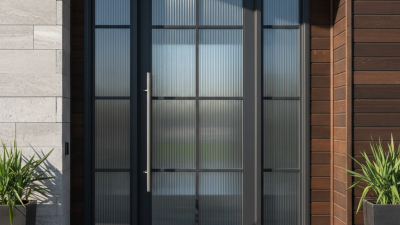
As we look ahead to 2026, entry door design is evolving in exciting ways. Homeowners increasingly prioritize unique styles that reflect personal taste. Bold colors like deep navy and forest green are gaining popularity. These hues offer a striking contrast to neutral facades and instill character. Matte finishes are also emerging as a contemporary choice, providing a sophisticated, understated elegance.
Textured surfaces are another captivating trend. They draw attention and add depth to entryways. Details such as paneling or raised designs can create a welcoming atmosphere. Many homeowners are opting for eco-friendly materials, emphasizing sustainability. This shift towards greener choices reflects broader environmental awareness within design. However, balancing aesthetics with functionality remains a core challenge.
Security features are crucial, too. Many buyers seek doors that combine style with enhanced security. Smart lock systems and robust frames are becoming standard. Yet, some designs may sacrifice charm for high-tech features. It's essential to find harmony between innovation and the warmth of traditional aesthetics. The best choices in 2026 will create an inviting path into your home while ensuring safety and style coexist seamlessly.
Cost vs. Value: Analyzing ROI on Entry Door Upgrades in Home Sales
Upgrading your entry door can significantly affect your home's market value. A well-chosen door enhances curb appeal and boosts security. Potential buyers often judge a home by its entrance. A striking door makes a positive impression. Additionally, energy-efficient doors contribute to lower utility bills, which is attractive to many.
Evaluating the return on investment (ROI) for an entry door upgrade is essential. Industry reports suggest that homeowners can recover a substantial portion of the upgrade cost upon selling. However, not all door types yield the same ROI. Investing in high-quality materials typically affords better returns. Yet, spending excessively might not pay off, as market preferences vary.
Consider the local housing market before making choices. Trends differ dramatically from one community to another. Sometimes a sleek, modern door may not resonate with neighborhood aesthetics. Balancing personal taste with market demands is crucial. Ultimately, while a new door can be a worthwhile investment, careful consideration and research are necessary to ensure it aligns with buyer interests.
2026 Best Entry Door Options for Your Home Upgrade Guide
| Entry Door Type |
Material |
Average Cost ($) |
Estimated ROI (%) |
Durability Rating (Years) |
| Fiberglass Entry Door |
Fiberglass |
2,500 |
90 |
30 |
| Steel Entry Door |
Steel |
1,500 |
85 |
20 |
| Wood Entry Door |
Wood |
3,000 |
75 |
15 |
| Composite Entry Door |
Composite |
2,800 |
88 |
25 |
| Aluminum Entry Door |
Aluminum |
2,200 |
80 |
20 |