Top 10 Specialty Doors for Every Style and Need?
Specialty doors have become essential in modern architecture and interior design. According to industry research, the global specialty door market is projected to reach $28 billion by 2025. This growth reflects the increasing demand for personalized architectural solutions. Specialty doors not only improve aesthetics but also enhance functionality.
Homeowners now seek unique designs that align with their lifestyle. A well-chosen door can transform a space. Custom options allow for creative expression and tailored solutions. However, finding the right specialty doors can be challenging. Many face difficulties in balancing style with practicality.
Not all specialty doors fit every need or budget. Some are better suited for specific environments. Consideration of factors like material and insulation is crucial. It's vital to reflect on what works best for your home. Choosing the right specialty doors is an opportunity to elevate your space while considering both style and practicality.
Understanding Specialty Doors: An Overview of Types and Uses
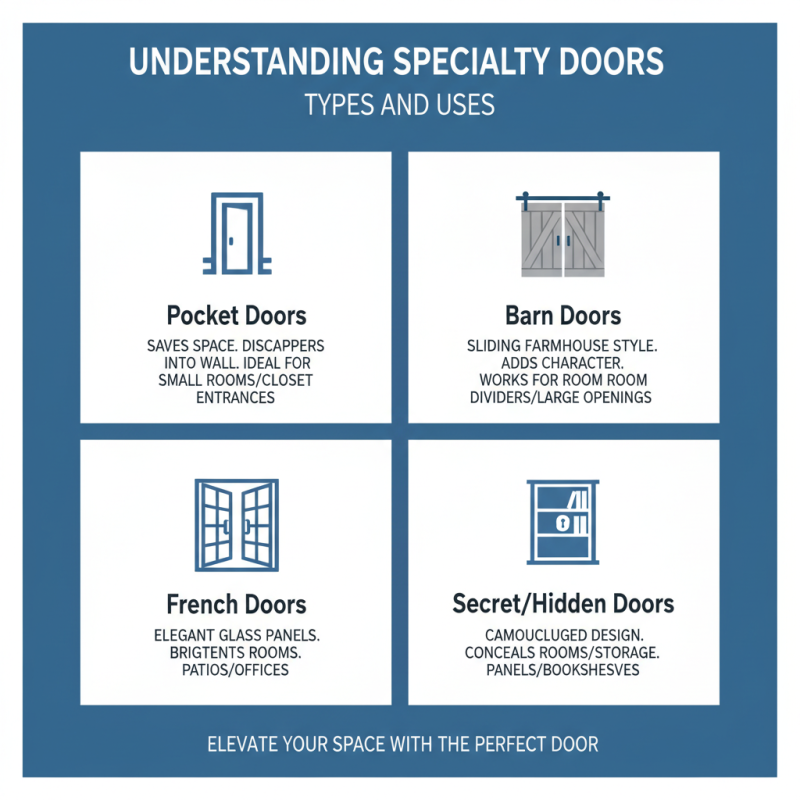
Specialty doors are an essential element in home design. They serve various purposes, from aesthetic charm to functional needs. Understanding the types can help you choose the perfect door for your space.
Common specialty doors include sliding, bi-fold, pocket, and French doors. Sliding doors work well for small areas. Bi-fold doors can open up an entire wall, perfect for integrating indoor and outdoor spaces. Pocket doors save space and offer a sleek look. Each type enhances functionality and design in unique ways.
Tips: Consider the door’s material and insulation properties. Wood offers warmth but may require more maintenance. Steel doors are durable and secure but can lack character. Always measure your space carefully. The perfect door may require adjustments to fit.
Additionally, think about the door's style. It should align with the overall aesthetic of your home. A rustic barn door might clash in a modern setting. Small details can significantly impact the visual harmony. Exploring options can lead to unexpected discoveries. Each choice reflects personal style and practicality.
Classic Styles: Wooden Doors for Timeless Elegance
When it comes to classic styles, wooden doors stand out for their timeless elegance. They bring warmth and character to any space, creating an inviting atmosphere. Different types of wood offer unique textures and colors, enhancing the overall aesthetic. For traditional homes, oak or mahogany doors deliver a rich, classic appeal. Pine can be a great choice for a rustic look.
A well-chosen wooden door can reflect personal style. Consider the grain and finish, as these elements add depth. Smooth finishes exude sophistication, while distressed ones offer a vintage charm. Remember to balance style with function. A door needs to endure daily use while still looking good.
**Tips:** Choose solid wood for longevity. It withstands wear better than hollow core doors. Don't overlook the importance of hardware; it can elevate the door’s appearance significantly. Regular maintenance is crucial. Oil the hinges and check for any signs of wear. Even the finest wooden door can suffer from neglect. Regular inspections are essential for long-lasting beauty.
Modern Aesthetics: Glass Doors for Contemporary Spaces
Glass doors can significantly enhance the aesthetics of modern spaces. Their transparent nature allows natural light to flood rooms, creating a bright and inviting atmosphere. They can serve as room dividers or exterior entrances, providing a seamless transition between indoor and outdoor areas. Selecting the right glass type is crucial. Consider frosted, tinted, or clear glass for different levels of privacy and light filtration.
Tips: Ensure that the glass you choose is tempered for safety. This makes it tougher and less likely to break. If you’re using glass doors in high-traffic areas, consider adding a protective film. This can reduce the risk of scratches and maintain clarity.
Another aspect to consider is the frame. Minimalist metal frames can accentuate the sleekness of glass doors. Wood frames, on the other hand, can add warmth and a touch of nature. You might want to reflect on your overall design theme. Mixing textures can either enhance or clash with your intended aesthetic, so choose thoughtfully.
Tips: Before installation, visualize the layout. Use painter's tape to outline the door's size on the wall. This helps in understanding how it will fit into the space and impact the flow of movement. Remember to consider functionality alongside aesthetics; ensure the doors open and close smoothly.
Top 10 Specialty Doors: Modern Aesthetics - Glass Doors for Contemporary Spaces
Functional Needs: Soundproof and Fire-Rated Doors
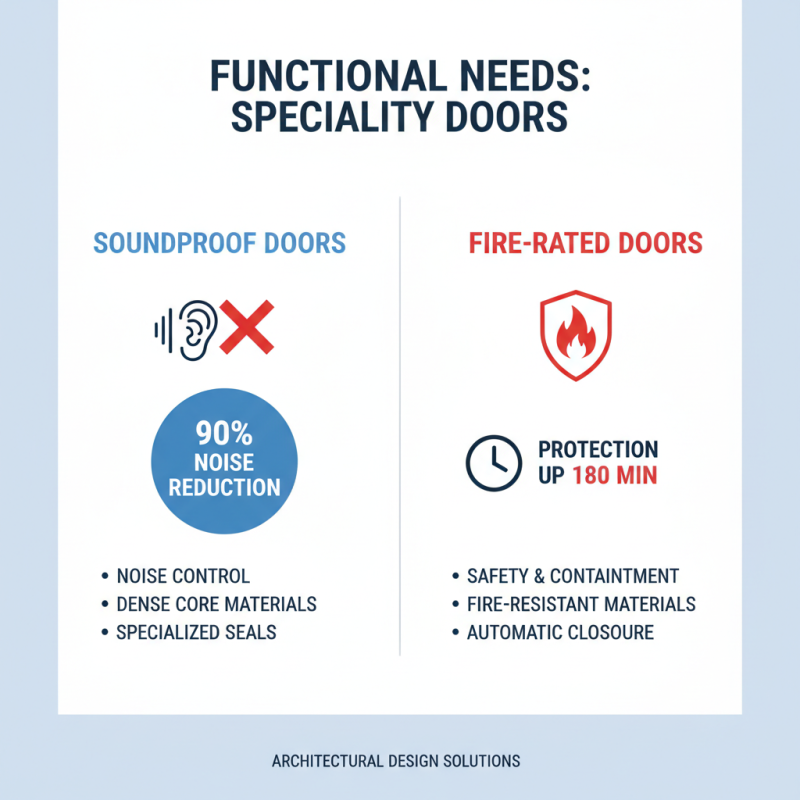
In architectural design, specific functional needs guide the selection of specialty doors. Soundproof doors play a vital role in environments requiring noise control. Extensive studies indicate that soundproof doors can reduce noise levels by up to 90%. These doors often incorporate specialized materials and construction techniques, such as dense core options and seals that minimize sound transmission.
Fire-rated doors are essential for safety. They serve as barriers during a fire, slowing its spread and providing safe passage. According to the National Fire Protection Association (NFPA), proper installation can increase a door's performance significantly. A fire-rated door can withstand flames for 20 minutes to 3 hours, depending on its rating. Regular maintenance and inspection are crucial. Neglected fire doors may not function properly when needed most, compromising safety.
Selecting the right door requires balancing aesthetic and functional needs. No solution fits every situation. Detailed evaluation is necessary. Consulting industry standards and regulations is essential during the selection process. Building codes often dictate specific criteria for soundproof and fire-rated doors, ensuring safety and comfort. Always consider both immediate and long-term needs for optimal results.
Outdoor and Indoor Solutions: Bi-Fold and Sliding Doors Explained
Bi-fold and sliding doors offer versatile solutions for both indoor and outdoor spaces. Bi-fold doors create a seamless transition between your home and patio. They can fold neatly away, maximizing space. Imagine hosting a barbecue, with doors opening wide to invite the outdoors in. Their expansive glass panels flood interiors with natural light. Yet, installation can be challenging, requiring precise measurements.
Sliding doors are ideal for tight spaces. Their design allows smooth movement without requiring extra room to swing open. Many love their streamlined look and ease of use. Picture a cozy den, where a sliding door can elegantly separate spaces. However, dirt can accumulate in the track, requiring regular maintenance.
Choosing between them often comes down to personal preference and practical needs. Bi-fold doors provide a grand entrance, perfect for gatherings. Meanwhile, sliding doors are space-efficient and stylish. Both options, though beneficial, have trade-offs. It's essential to weigh aesthetics against functionality in your decision-making process.
Top 10 Specialty Doors for Every Style and Need
| Door Type |
Material |
Best For |
Opening Mechanism |
Price Range |
| Bi-Fold Door |
Aluminum |
Outdoor patios |
Bi-Fold |
$1,200 - $4,000 |
| Sliding Door |
Vinyl |
Condos |
Sliding |
$800 - $2,500 |
| French Door |
Wood |
Classic homes |
Swinging |
$1,000 - $3,500 |
| Pocket Door |
Wood/Glass |
Small spaces |
Pocket |
$500 - $2,000 |
| Accordion Door |
Composite |
Rooms dividers |
Folding |
$150 - $600 |
| Louvered Door |
Wood |
Utility rooms |
Swinging |
$300 - $900 |
| Barn Door |
Wood |
Rustic decor |
Sliding |
$800 - $2,500 |
| Glass Pivot Door |
Glass |
Modern homes |
Pivot |
$3,000 - $10,000 |
| Pivot Front Door |
Steel/Wood |
Main entrance |
Pivot |
$2,000 - $7,000 |
| Screen Door |
Aluminum/Fiberglass |
Outdoor access |
Swinging/Sliding |
$200 - $800 |