Expanded Insights on Fire Rated Steel Door Frames for Hospital Wards and Patient Rooms
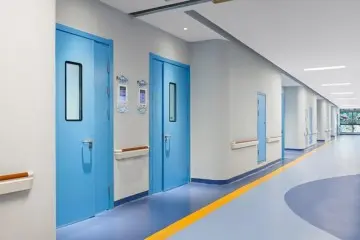
The use of fire rated steel door frames in hospital wards and patient rooms plays a pivotal role in ensuring patient safety and regulatory compliance with fire safety standards. Hospitals are uniquely challenging environments where containment of fire and smoke is critical—not only to protect patients, who may have limited mobility or be incapacitated, but also to enable safe evacuation for staff and visitors.
Industrial and Commercial Landscape
The healthcare construction and renovation sector has seen a steady increase in demand for highly reliable fire rated door assemblies, including steel door frames engineered to withstand intense fire conditions. With evolving fire safety codes globally — such as NFPA 101 (Life Safety Code), EN 16034 in Europe, and China’s GB standards — facility managers and architects must select door frames that reliably integrate with fire-rated doors, maintaining integrity and preventing fire spread.
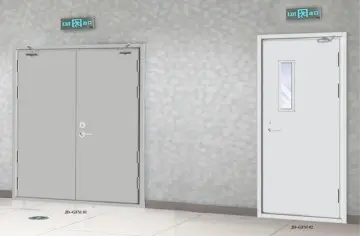
Manufacturers like Dujiangyan Jindun have invested in cutting-edge production technologies to meet these stringent criteria, offering steel door frames with certified fire resistance for varying durations (usually ranging from 60 to 180 minutes). These frames are also designed to support specialized fire doors equipped with smoke seals, automatic closers, and antimicrobial coatings tailored for healthcare settings.
Emerging Trends and Technological Innovations
Innovation in materials and integration technology is a key driver in this sector. Fire rated steel door frames are evolving beyond basic fire containment, incorporating features such as:
- Integrated smoke and acoustic seals to reduce noise pollution between patient rooms.
- Modular designs facilitating faster installation and easier maintenance or replacement.
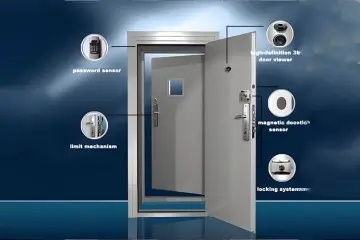
- Compatibility with electronic locking and access control systems to enhance security in sensitive clinical environments.
- Eco-friendly coatings and finishes that meet healthcare hygiene standards without compromising fire resistance.
These trends not only ensure compliance but also contribute to patient comfort, operational efficiency, and long-term sustainability of hospital infrastructure.
Deeper Application Scenarios
Beyond general hospital wards, fire rated steel door frames see specialized use in:
-
Isolation and Infectious Disease Rooms: Doors here must support airtight sealing to contain pathogens and combined fire protection to safeguard occupants during emergencies.
-
Operating Theatres and Emergency Rooms: Often require doors with exceptional fire ratings plus sterile finishings and smooth surfaces.
-
Pharmacy and Medical Gas Storage Areas: Fire resistant doors and frames are critical to mitigate risks of fire hazards in areas storing combustible or explosive substances.
-
Utility and Mechanical Rooms: Providing fire containment while allowing for easy access by maintenance personnel.
Commercial Impacts and Challenges
The COVID-19 pandemic accelerated hospital infrastructure upgrades worldwide, spotlighting fire rated door systems as essential for safe building operations as occupancy surged. As regulations tighten and demand for secure, hygienic, and functional environments increases, manufacturers face challenges such as supply chain pressures for specialized steel, balancing cost with advanced features, and working closely with architects and contractors to meet bespoke hospital requirements.
Environmental and Safety Compliance
Leading companies publicly commit to sustainability in their production processes, minimizing waste and using recyclable materials wherever possible without compromising on safety. This aligns with hospital green building certifications like LEED and WELL, which encourage fire safety products that also reduce environmental footprints.
In conclusion, Fire Rated Steel Door Frames are indispensable components in hospital ward safety infrastructure, combining durability, compliance, and design sophistication. As fire safety codes evolve and patient care environments become more complex, these frames continue adapting through innovation and rigorous quality assurance to protect lives and support healthcare excellence globally.