What is Specialty Doors and How Do They Enhance Your Space?
Specialty doors have emerged as a critical element in modern design, significantly enhancing architectural spaces. According to the Market Research Future Report, the specialty doors market is projected to grow at a CAGR of 5% over the next five years. This growth underscores their rising popularity and the increasing demand for customization in both residential and commercial sectors.
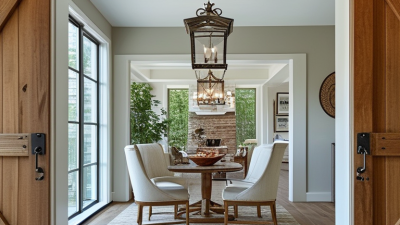
Unlike standard doors, specialty doors offer unique designs, materials, and functionalities. They can be tailored to enhance aesthetic appeal or improve energy efficiency. For instance, custom barn doors can serve as a striking focal point in a room, while bi-fold doors can optimize space in smaller areas. However, the variety of options can sometimes overwhelm consumers. It's essential to evaluate which specialty doors best fit the specific needs of the space, balancing style with practicality.
Moreover, specialty doors can improve accessibility and security. In commercial spaces, they often comply with safety regulations while providing an inviting atmosphere. However, not all specialty doors are created equal. Investing in high-quality materials and skilled installation is crucial for longevity and performance. As this market evolves, an informed choice becomes vital for both beauty and functionality in design.
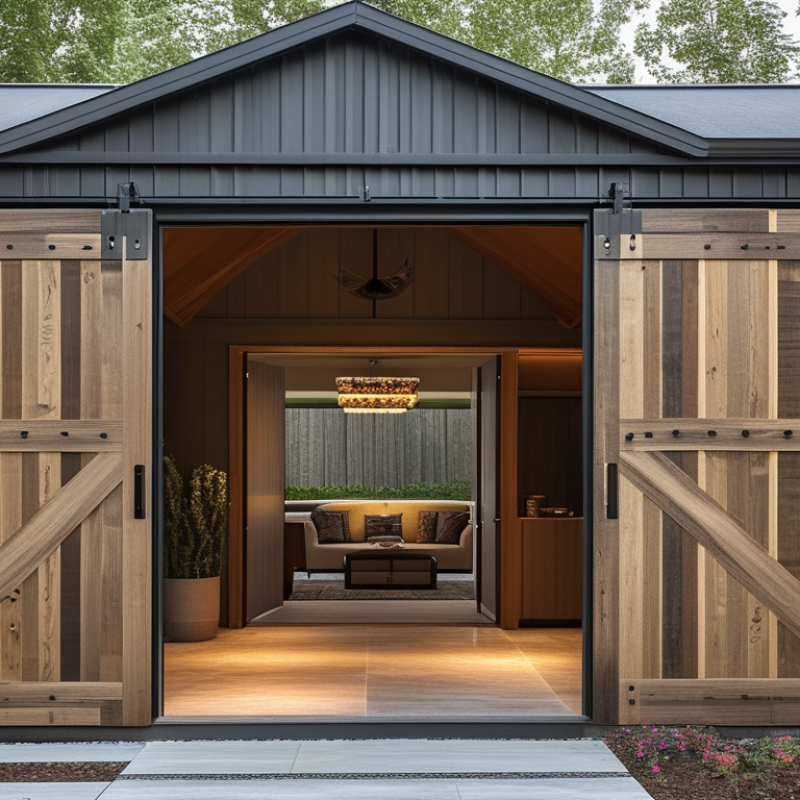
What Are Specialty Doors? An Overview of Their Types and Functions
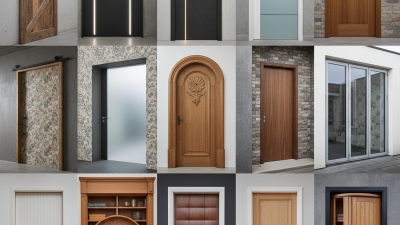
Specialty doors are unique architectural elements designed for specific functions. They come in various types, from fire-rated doors to decorative variants. Fire-rated doors play a crucial role in safety, providing fire resistance and limiting the spread of flames. According to a 2021 report by the National Fire Protection Association, fire doors prevent property losses amounting to billions annually.
Glass doors enhance natural light in spaces, influencing mood and productivity. Studies indicate that natural light boosts employee satisfaction and reduces fatigue. However, glass doors can create privacy concerns, a point that requires careful consideration in workspace design. Folding and sliding doors are ideal for maximizing flexibility, opening spaces for gatherings. Yet, poor installation could lead to functionality issues over time.
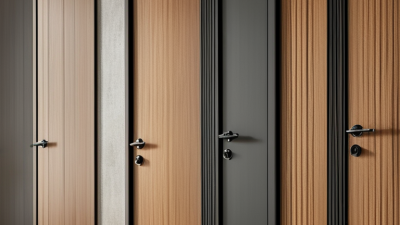
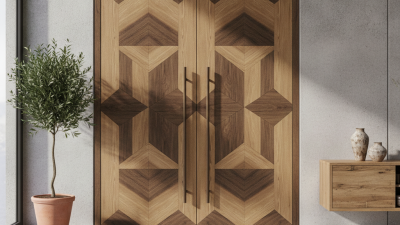
Wooden specialty doors add warmth and elegance. They also offer sound insulation, enhancing tranquility in busy environments. A survey by the Door and Access Systems Manufacturers Association found that over 70% of homeowners prefer wooden doors for their aesthetic appeal. Despite their charm, wooden doors require regular maintenance to prevent damage. Each specialty door presents unique advantages and drawbacks, showing that choices must be made based on specific needs.
What is Specialty Doors and How Do They Enhance Your Space?
| Door Type |
Material |
Function |
Enhancement Features |
| Barn Doors |
Wood |
Interior/Exterior |
Rustic charm, space-saving |
| Pocket Doors |
Glass/Wood |
Interior |
Maximize space, modern appearance |
| French Doors |
Wood/Glass |
Interior/Exterior |
Elegant design, natural light |
| Bi-fold Doors |
Aluminum/Glass |
Interior/Exterior |
Seamless transition, space-efficient |
| Sliding Doors |
Glass/Aluminum |
Exterior |
Open views, easy access |
The Benefits of Installing Specialty Doors in Your Living Space
Specialty doors create a unique focal point in any room.
These doors can be custom-made to fit your design needs. Recent studies indicate that homes with distinctive
features, like specialty doors, can see a property value increase of up to 10%.
Homebuyers often seek out properties with character. Specialty doors provide that charm and appeal.
Installing specialty doors can improve energy efficiency.
They often come with better insulation compared to standard doors. According to the Department of Energy,
well-insulated doors can lead to energy savings of 10-15% annually.
This not only reduces utility bills but also enhances comfort throughout the year.
The aesthetic benefits are equally important. A beautifully crafted door can transform a bland entrance into a stunning one.
However, homeowners should consider quality vs. price.
Cheaper options may look appealing but often lack durability.
Choosing high-quality specialty doors results in long-term satisfaction and fewer replacements, ultimately enhancing the space sustainably.
Common Materials Used for Specialty Doors and Their Advantages
Specialty doors can significantly enhance the aesthetics and functionality of any space. They are crafted from various materials, each bringing unique advantages. Understanding these materials can help you make an informed choice.
Wood is a popular option for specialty doors. It provides warmth and beauty, perfect for traditional or rustic interiors. However, wood can warp in humid conditions. Regular maintenance is essential to prevent damage.
Steel doors offer durability and security. They withstand harsh weather conditions and are resistant to dents. Yet, these doors can be heavy and might require additional structural support.
Glass doors create a sense of openness. They brighten rooms and offer stunning views. However, they can be easily damaged and lack privacy.
Fiberglass is another material worth considering. It's lightweight and resistant to moisture, making it ideal for varied climates. But, some may find it less appealing due to its synthetic look. Each material has its strengths and weaknesses. Knowing these can help in choosing the right specialty door for your needs.
How Specialty Doors Contribute to Home Aesthetics and Design
Specialty doors have become an essential element in modern home design. They enhance aesthetics and contribute to unique living spaces. According to a report by the American Institute of Architects, over 30% of homeowners consider distinctive elements like specialty doors while renovating. These doors are not just functional; they are artistic expressions too.
Incorporating specialty doors, such as sliding barn doors or arched designs, can drastically change a room's ambiance. For instance, a well-placed glass door allows natural light to flow, creating a brighter environment. On the contrary, heavy wooden doors may convey a sense of sturdiness and tradition. Homeowners should reflect on how these choices impact their overall design. Room size, color schemes, and even furniture layout can significantly influence the effectiveness of specialty doors.
However, not all specialty doors will fit every aesthetic. It’s essential to assess a home’s architectural style first. For example, a modern home may not complement a vintage door design well. Homeowners can benefit from consulting design professionals to align doors with their vision. Industry trends indicate that 25% of new builds include custom options, showcasing a growing demand for personalized touches in home improvement projects. Balancing personal taste and cohesive design is key to maximizing the potential of specialty doors.
Key Considerations When Choosing Specialty Doors for Your Property
Choosing specialty doors for your property involves several important considerations.
First, understand the material. Specialty doors come in wood, metal, glass, and composite options. Each material has its unique properties.
According to industry reports, wooden doors offer warmth but require maintenance. Metal doors provide security but can lack aesthetic appeal.
Glass doors enhance light but may not offer privacy.
Next, consider size and fit. Specialty doors can be customized.
They can be made to suit unusual openings or specific architectural styles. A report from the Door and Hardware Institute indicates that custom doors can improve home value by
5-10%. This fact highlights the financial gain from investing in quality doors.
Also, think about the door's functionality.
Specialty doors serve various purposes, including enhancing acoustics or offering energy efficiency.
Occupancy rates in commercial properties showed that soundproof doors improved tenant satisfaction. Yet, not all options meet every need.
Evaluate climate conditions and intended use. High humidity can warp doors, while extreme temperatures affect insulation properties.
Always align your choice with your property's specific requirements.