How to Choose the Right Blast Resistant Doors for Your Needs in 2026?
Choosing the right Blast Resistant Doors is crucial in today’s evolving security landscape. In 2026, the demand for such doors continues to rise, driven by an increase in threats across various industries. Recent reports indicate that the blast-resistant door market is projected to grow by over 10% annually. This growth emphasizes the importance of understanding your specific requirements.
Blast Resistant Doors serve as a vital line of defense for critical infrastructures. These doors protect against explosive forces, minimizing damage and saving lives. Industry experts recommend evaluating factors such as material strength, design standards, and compliance with relevant regulations. Many companies overlook the importance of certifications, which can significantly impact performance standards.
It's also essential to reflect on the evolving nature of threats. The landscape is continuously changing, and so are attack methods. Failing to adapt can lead to vulnerabilities. Relying on outdated security measures may expose facilities to risks. Therefore, making informed decisions on Blast Resistant Doors is more important than ever. Embrace the data, consult with experts, and invest in robust protection tailored to your needs.

Understanding the Importance of Blast Resistant Doors in 2026
In 2026, the importance of blast resistant doors cannot be overstated. These doors are crucial for facilities that face potential explosive threats. Industries such as defense, oil and gas, and chemical manufacturing are increasingly vulnerable. Choosing the right door helps to protect lives and assets, ensuring safety in highly sensitive environments.
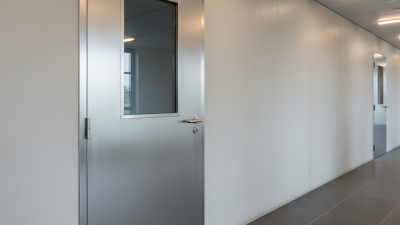
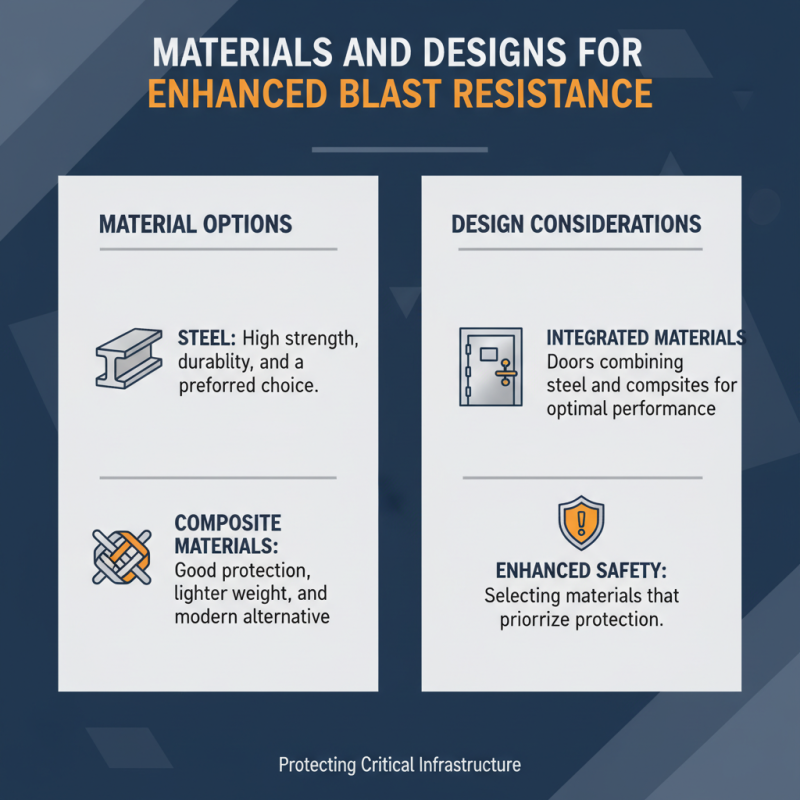
Blast resistant doors are designed to withstand significant pressure. They can minimize damage during an explosion. When selecting these doors, consider materials, testing standards, and installation requirements. Materials like reinforced steel or composite frames enhance durability. Testing should align with recognized safety standards.
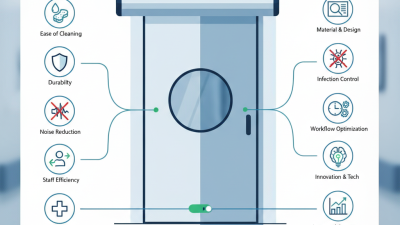
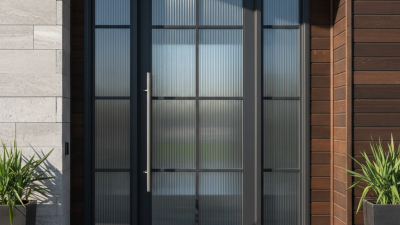
Safety is not the only factor to consider. The design must blend with the facility's architecture. A door that looks imposing may discourage personnel from working comfortably. It’s essential to balance aesthetics with function. Many facilities struggle with this aspect, often prioritizing protection over design appeal. Evaluating both sides can lead to better decision-making in the long run.
Key Factors to Consider When Selecting Blast Resistant Doors
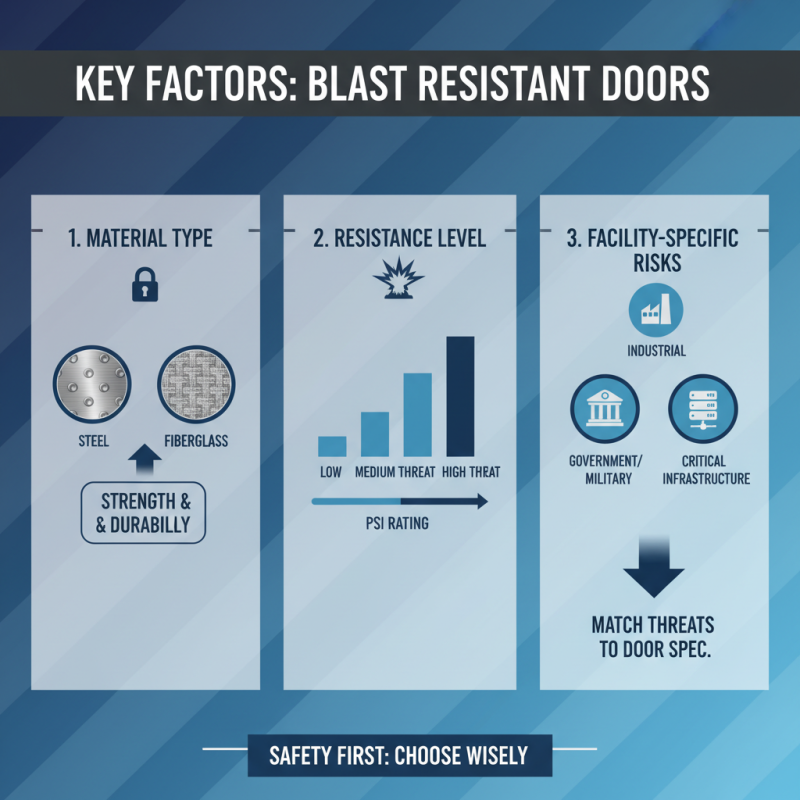
Choosing the right blast-resistant doors requires careful consideration of various factors. One crucial element is the material. Steel and fiberglass are popular choices due to their strength and durability. Each material exhibits different resistance levels to explosions, which directly impacts safety. It's essential to understand the specific threat levels your facility might face.
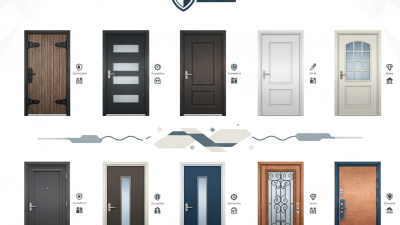
Another critical factor is door design. Blast-resistant doors come in various configurations, including single or double doors. The selected design must align with your building's layout and function. Additionally, consider the installation site. Proper installation is vital for maximizing protection. Gaps or poor fitting can significantly reduce effectiveness, leading to vulnerability.
Further, do not overlook the importance of certifications. Look for compliance with recognized safety standards. This ensures the doors meet industry regulations. It's a common oversight, but a certified door often provides essential peace of mind. Regular maintenance is also a key aspect that many facilities neglect. Over time, wear and tear can diminish a door’s protective features. Keeping doors in good condition is as crucial as initial selection.
Evaluating Regulatory Standards and Certifications for Safety
When selecting blast-resistant doors for specific needs, understanding regulatory standards and certifications is crucial. The use of doors that meet industry standards can greatly enhance safety. According to the National Institute of Standards and Technology (NIST), properly certified blast-resistant doors can reduce the risk of injuries and fatalities during explosive events. Compliance with standards such as ASTM F2248 ensures your doors are tested for pressure, load, and impact resistance.
Evaluating certifications helps ensure doors will perform as expected. Look for doors that have received certifications from reliable third-party organizations. This often indicates they have undergone rigorous testing. The Federal Emergency Management Agency (FEMA) emphasizes the importance of using standards recognized by experts in the field. These certifications not only enhance safety but also boost credibility in emergencies.
Here are some tips to consider:
- Verify certification documents to ensure they are current.
- Consult with professionals who specialize in blast-resistant technologies.
- Regularly review compliance with fire and safety codes to avoid liability issues.
Taking these steps can help create a safer environment while ensuring your doors meet necessary safety standards. It’s important to stay informed about evolving regulations in this field.
How to Choose the Right Blast Resistant Doors for Your Needs in 2026?
| Feature |
Description |
Regulatory Standards |
Certification |
| Material |
Common materials include steel, fiberglass, and composite materials. |
ASTM F2927 |
UL 752 |
| Blast Rating |
Determines the door's ability to withstand explosive blasts. |
NFPA 680 |
ISO 9001 |
| Frame Type |
Choose between single, double, or custom frames based on installation requirements. |
ICC-ES AC 86 |
FM Approved |
| Sealing Mechanism |
Explosive-resistant seals that prevent blast wave penetration. |
ASCE/SEI 7-16 |
SIA Certified |
| Custom Features |
Options for blast-resistant windows or additional security features. |
Department of Defense (DoD) Standards |
BIFMA Certification |
Assessing Cost vs. Long-term Benefits of Blast Resistant Doors
When considering blast resistant doors, understanding the cost vs. long-term benefits is crucial. The initial investment can be significant, but so can the potential losses from security breaches or damage. A budget-friendly option may appear appealing, yet it may compromise safety or durability. Higher-quality doors often provide better security and lower maintenance costs over time.
Tips for choosing the right door include evaluating the materials used and the certification standards. Look for doors tested against specific threats relevant to your business. Ensure they meet local safety regulations. Additionally, consider the installation quality. A poorly installed door can lead to vulnerabilities, regardless of how robust it is.
Finally, don't rush your decision. Take the time to compare different options and consult with experts. Weigh immediate costs against potential future expenses related to repairs or security failures. Investing wisely today can lead to improved safety and peace of mind for years ahead.