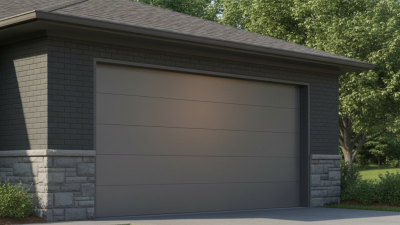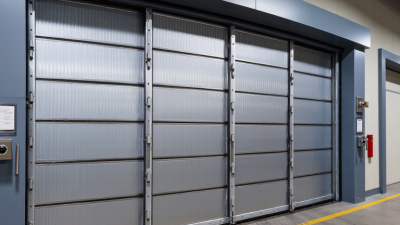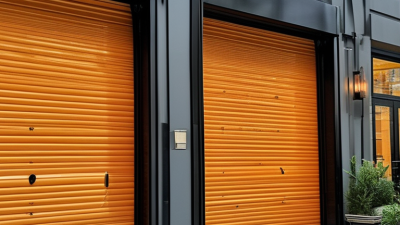
Choosing a supplier for Overhead Rolling Steel Fire Doors is not just a price comparison. Buyers need to assess tested door assemblies, opening dimensions, operating cycles, finish options, and service support. A door may look sturdy on a specification sheet. The details matter.
The NFPA report Fire Loss in the United States During 2023 estimated 1,389,000 fires and $23.2 billion in direct property damage. These figures describe the wider fire-safety challenge; they do not measure the performance of any particular door or supplier. That distinction matters. A credible supplier should provide traceable test and listing information for the complete assembly, clear installation guidance, and inspection support. Where applicable, buyers can also check how products align with recognized references such as NFPA 80 and relevant fire-door test standards. Requirements vary by project and location, so confirm them with qualified professionals.
This 2026 supplier overview helps readers compare manufacturers and distributors using practical questions: Are sizes and fire ratings documented? Can the company support field measurements, commissioning, and replacement parts? Are lead times and warranty terms specific? Strong answers build confidence. Vague answers deserve a second look. No shortlist is perfect, and a familiar brand alone is not proof of fit. The best choice depends on the opening, the building’s use, and dependable support after installation—not just the brochure.
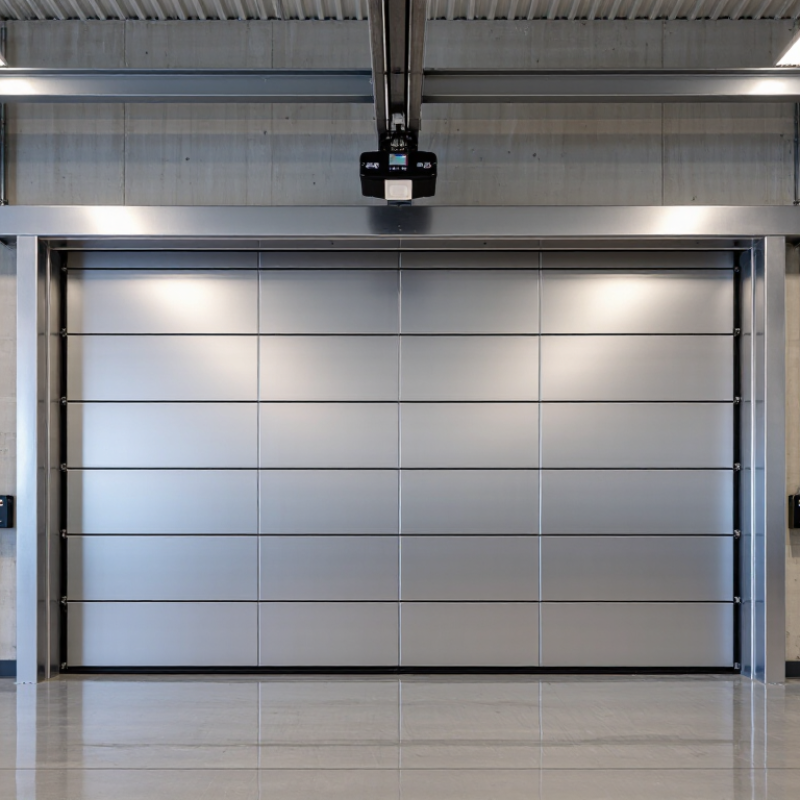
An overhead rolling steel fire door uses interlocking steel slats that coil above an opening. In a fire-rated assembly, it helps limit the spread of fire and smoke between building areas. Depending on its listed design, the door may close through a fusible link or an alarm-connected release. It is not a substitute for a complete fire-protection plan. NFPA’s Fire Loss in the United States During 2023 estimated 1.39 million fires and $23.2 billion in direct property damage. Those figures show why protecting openings matters.
These doors are commonly installed at warehouse separations, factory openings, service counters, parking structures, and loading bays. Picture a wide steel curtain dropping across a busy shipping aisle; it can help protect an opening while allowing everyday access when raised. The required rating and closing method depend on the opening and the tested assembly. NFPA 80 provides requirements for inspecting, testing, and maintaining fire doors. Still, a door that looks sound may have a damaged release or obstructed guides.
Tips: Confirm the label, opening size, and release method before specifying a door. Keep the curtain path clear, and arrange inspections under applicable requirements. A small misalignment can matter. Check the actual opening, not just the plans.
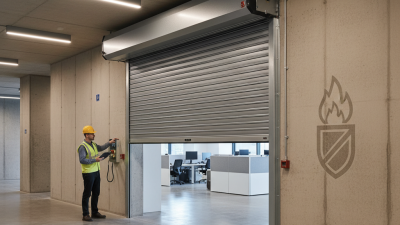
Choosing overhead rolling steel fire door suppliers starts with the opening’s required fire rating, not the lowest quote. The rating depends on the building code adopted locally, the wall assembly, and the opening’s use. A door’s label and test documentation should match the intended installation. Ask suppliers for the listing details, approved dimensions, and any limits on the supporting wall or hardware. Then confirm those documents with the project’s code professional or local authority. Requirements can vary by location. Small gaps matter.
A reliable supplier should also explain how the door closes during a fire alarm or power interruption, where applicable, and what inspections the installation requires. Ask who will install and test the assembly, and whether service records and replacement parts will be available later. A neat quote is not proof of compliance; compare the documents, not just the price. It is easy to overlook the space needed for guides, brackets, and the coiling barrel, especially in a retrofit. Share measured opening dimensions and site photos before ordering, then verify them on site. Even careful planning can miss a detail. That is why clear records and a final inspection are worth the extra time.
2026 Top Overhead Rolling Steel Fire Door Suppliers
Leading Overhead Rolling Steel Fire Door Suppliers in 2026
Choosing an overhead rolling steel fire door supplier takes more than comparing prices. Start with the opening size, daily traffic, and available headroom. Ask how the curtain, guides, barrel, and operating system are specified for your site. A useful supplier will explain these details clearly and provide product data, installation guidance, and maintenance recommendations. Request records of relevant fire testing and confirm that the proposed assembly suits the project requirements. A brochure alone is not enough.
Strong suppliers also plan for what happens after delivery. Ask who checks measurements, coordinates installation, and responds when a door needs adjustment. Get clear lead times, warranty terms, and service arrangements in writing. Compare like with like: a lower quote may exclude controls, installation, or routine servicing. Still, the most expensive option is not automatically the best. Some specifications may be more than your opening needs; it is worth asking why.
Tips: Measure the opening twice, including side room and headroom. Ask for a written scope and a sample maintenance schedule. Check that operators know how to use the door safely. Keep the answers on file. Suppliers vary, and vague replies deserve a second look.
A strong overhead rolling steel fire door supplier should offer more than a standard curtain and motor. Compare available door sizes, slat profiles, guides, hoods, and operating options. Ask how the proposed assembly is tested and what documentation accompanies it. Details matter. A clear answer is more useful than a broad performance claim.
Customization is practical when it fits the opening and building conditions. Suppliers may adapt dimensions, finishes, controls, and sensing devices, but changes can affect the complete assembly. Share opening measurements, wall construction, traffic patterns, and expected cycle frequency early. Request drawings before production. Small measurement errors can create costly delays, and this step is easy to underestimate.
Support also separates suppliers. Look for site surveys, installation guidance, commissioning help, maintenance instructions, and access to replacement parts. Ask who responds when a door binds or a control stops working, and what information they need to diagnose it. Compare response expectations and spare-part availability, not just the initial quote. A supplier may have a broad catalog but limited local service; that trade-off deserves a direct conversation.
This is a supplier-type comparison, not a ranking of named companies. Capabilities vary by supplier and project. Confirm product listings, fire-resistance ratings, lead times, and service coverage directly with each supplier and the authority having jurisdiction.
| Supplier Profile | Typical Product Scope | Customization | Compliance and Documentation | Support to Confirm | Best Fit |
|---|---|---|---|---|---|
| Full-service fire-door manufacturer | Rolling steel fire doors and related components, such as guides, brackets, hoods, operators, and closing systems. | May offer project-specific opening dimensions, mounting arrangements, finishes, controls, and accessories within the product’s approved design. | Request documentation for the exact door assembly, including its applicable listing or certification, installation instructions, and required closing or release components. | Check whether support includes submittal review, installation guidance, commissioning assistance, replacement parts, and warranty service. | Projects needing coordinated product selection and technical documentation from one source. |
| Regional fire-door specialist | Fire-rated rolling doors and related opening-protection products, often paired with local project coordination. | Can help match available configurations to site conditions; confirm which modifications are permitted by the tested or listed assembly. | Ask for locally applicable product documentation and confirmation that the proposed configuration meets project specifications and code requirements. | Evaluate local site-measurement, installation, inspection, repair, and emergency-service availability. | Projects where local site support and service access are important. |
| Authorized distributor or system integrator | May source rolling fire doors from manufacturers and coordinate them with operators, controls, and other building systems. | Configuration depends on the selected manufacturer’s product range and approved options; request a written schedule of components and interfaces. | Confirm who supplies the listing documents, who is responsible for system compatibility, and which party handles submittals and closeout records. | Clarify responsibility for coordination, installation, testing, handover, warranty claims, and ongoing service. | Projects that benefit from a single coordination contact for multiple trades or system interfaces. |
| Custom fabrication-focused supplier | May provide made-to-order rolling steel assemblies or project-specific components, subject to the limits of its approved product designs. | Potentially flexible on dimensions, materials, finishes, and hardware; custom work must remain within the applicable fire-door listing or certification. | Require evidence that the exact proposed assembly—not merely similar materials or components—has the required fire-protection approval. | Verify engineering review, installation details, quality records, spare-parts availability, and who supports field modifications. | Non-standard openings or project-specific requirements, when an approved configuration can be documented. |
| Maintenance and retrofit specialist | Inspection, adjustment, repair, and replacement work for existing rolling fire doors; product supply may be limited to retrofit needs. | Usually focused on restoring or replacing existing equipment. Confirm whether proposed changes are permitted and preserve required door performance. | Request inspection records and documentation for any replacement assembly or component that affects the fire-door system. | Compare inspection frequency, response coverage, service reporting, parts sourcing, and procedures for returning a door to service. | Existing buildings requiring ongoing maintenance, repairs, or a documented replacement plan. |
For a project-specific choice, start with the opening, not the brochure. A rolling steel fire door must fit the measured width, height, headroom, and side-room available on site. Check the required fire rating, operating frequency, corrosion exposure, and release method. Fit matters. Ask each supplier for a dimensioned shop drawing, a listing for the exact assembly, and clear documentation of its fire rating. NFPA’s Fire Loss in the United States During 2023 estimated 1.389 million fires. It also reported about $23 billion in direct property damage. These national figures show the stakes, not the performance of any individual door.
Compare suppliers on project evidence and support. Ask who will verify field dimensions, coordinate alarm and release interfaces, and commission the door after installation. Request inspection guidance, maintenance intervals, spare-parts availability, and recent service response times for your region. NFPA 80 calls for periodic inspection and testing of fire door assemblies; confirm the applicable edition and local requirements with the project team. Ask for records. A low bid may omit wiring, structural support, or commissioning, so compare itemized scopes rather than totals alone. One detail is easy to miss: frequent daily cycling can change the maintenance burden. Ask suppliers to state their cycle assumptions and provide test documentation for the proposed configuration. Then have the installer verify clearances on site; paper dimensions can still be wrong.