Leave Your Message

China Top Interior Door Manufacturers and Suppliers

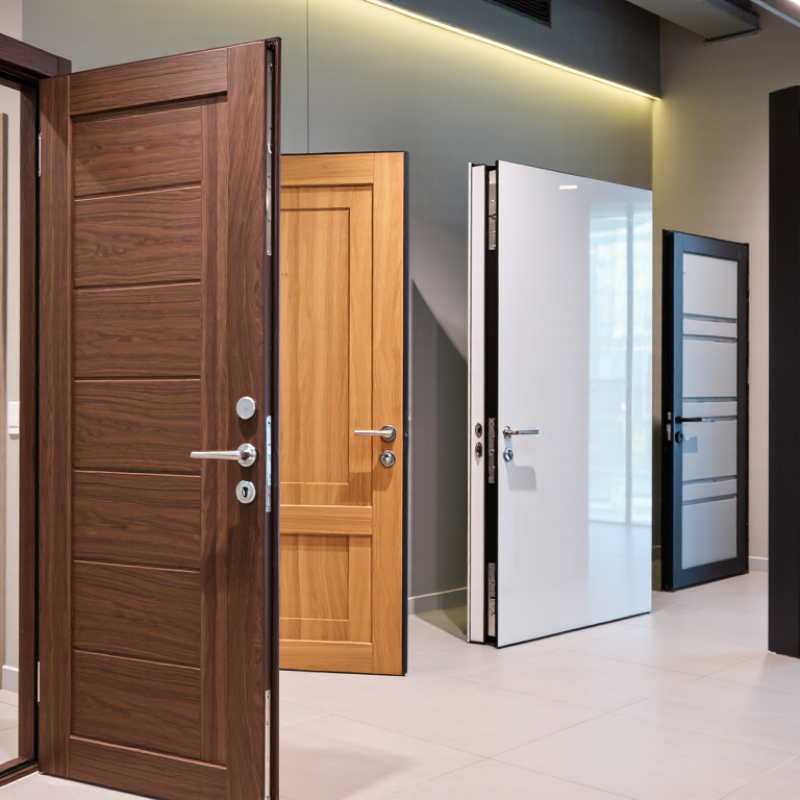
China’s interior door industry combines large-scale manufacturing with increasingly precise design and finishing capabilities. Interior Door suppliers now serve residential towers, hospitality projects, offices, and customized home renovations. Their product ranges commonly include solid wood doors, engineered wood doors, glass doors, fire-rated models, and sound-reducing systems.

Industry data explains this expanding opportunity. Grand View Research identifies Asia-Pacific as a leading region in the global doors market, supported by urban development and residential construction. Mordor Intelligence also highlights China’s strong manufacturing base and growing demand for customized building products. These reports suggest scale, but scale alone does not prove quality. Buyers still need to examine material certificates, moisture resistance, acoustic performance, coating durability, and production consistency.

The best Chinese manufacturers usually show more than attractive catalog images. They provide factory details, technical drawings, test documentation, sample approval procedures, and clear delivery terms. A reliable supplier should explain core materials, edge sealing, hinge reinforcement, packaging, and installation tolerances. Small details matter. A poorly sealed bottom edge may swell after repeated cleaning. An uneven frame can create visible gaps under warm lighting.

This guide reviews China’s top Interior Door manufacturers and suppliers through practical purchasing criteria. These include manufacturing experience, export capability, customization depth, quality control, certifications, and after-sales support. Rankings are never permanent. Regional specialists may be overlooked, and a large factory may not suit every project. That limitation deserves attention. The most suitable supplier is not always the biggest one, but the one that consistently matches documented performance with the project’s actual requirements.
China Top Interior Door Manufacturers and Suppliers

Definition and Role of Interior Door Manufacturers in China

Interior door manufacturers in China are companies that design, engineer, produce, and test doors for indoor spaces. Their products may include molded, flush, solid-wood, glass-panel, and fire-rated options. Unlike trading suppliers, manufacturers usually control machinery, materials, assembly, and quality records. This direct control can improve consistency, but it does not guarantee perfect results. Buyers still need to verify production capacity, certifications, and inspection procedures. A reliable factory should explain its core materials clearly, from moisture-resistant cores to low-emission coatings.

Their role extends beyond making door leaves. Manufacturers help convert architectural drawings into workable dimensions, hardware positions, finishes, and packing plans. Experienced teams check wall thickness, hinge clearance, door swing, and humidity conditions before production. These details matter in a hotel corridor, where repeated use tests hinges and surface durability. They also support sampling, technical adjustments, loading, and after-sales communication. Factory engineers can identify problems early, such as a warped panel caused by uneven moisture balance. That practical feedback often saves time and replacement costs.

Suppliers connect manufacturers with developers, contractors, designers, and importers. A capable supplier should provide traceable quotations, realistic lead times, and written quality standards. Request records. Check the batch. Some factories present polished samples but provide weaker batch control. This gap deserves attention. Sustainable sourcing also requires evidence, not attractive language. Buyers should review material declarations, packaging methods, and workplace practices. The process is not flawless. Careful questions, independent inspections, and documented communication remain necessary.
Main Types of Interior Doors Made by Chinese Suppliers

China Top Interior Door Manufacturers and Suppliers

Main Types of Interior Doors Made by Chinese Suppliers

Chinese interior door suppliers commonly produce solid wood, engineered wood, molded, glass, sliding, and pocket doors. Each type serves a different room and budget. Solid wood doors offer natural grain, strong privacy, and a substantial feel. However, they may expand in humid conditions without proper sealing. Engineered wood doors provide better dimensional stability and consistent surface finishes. They are practical for apartments, hotels, and office interiors.

Molded doors are lightweight and economical. Their patterned skins can imitate traditional panels, but they may feel less premium. Glass doors bring daylight into studies, kitchens, and corridors. Frosted or laminated glass improves privacy and safety. Sliding and pocket doors save floor space, especially in compact homes. Their performance depends heavily on track quality and wall construction. A beautiful door can still frustrate users.

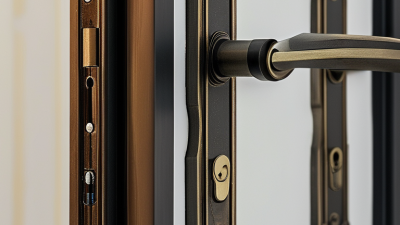
When evaluating Chinese suppliers, buyers should check core materials, veneer thickness, moisture resistance, and hardware specifications. Ask for samples before placing a large order. Compare actual dimensions, edge finishing, paint consistency, and packaging protection. For projects with specific safety requirements, request current test reports from qualified laboratories. Documents matter, but production control matters too. Factory experience is visible in clean joints, even gaps, and smooth operation. Low prices can be tempting. They can also hide weaker cores or limited quality checks. A careful supplier should explain these trade-offs clearly, not promise that one door fits every project.

Key Manufacturing Processes and Quality Standards

China Top Interior Door Manufacturers and Suppliers: Key Manufacturing Processes and Quality Standards

Reliable interior doors begin with controlled materials, not attractive catalog images. Manufacturers typically dry timber, calibrate engineered boards, press veneers, machine joints, and apply several coating layers. Each stage affects warping, bonding, and surface durability. The ISO Survey 2022 identified China as the world’s largest base of ISO 9001 certificates. This shows strong quality-system adoption, although certification alone cannot prove every door performs well.

Experienced buyers should inspect moisture readings, panel flatness, adhesive coverage, and hinge alignment. Factory checks should also include cycle testing, impact resistance, and coating adhesion. Acoustic doors may require laboratory testing under ASTM E90, while fire-rated assemblies need testing under standards such as EN 1634-1. These results apply to complete assemblies, including frames, seals, and hardware. A door leaf tested alone can create false confidence. Small defects matter. Measurement records may also be incomplete, so independent verification remains valuable.

Tips: Request batch-level inspection reports, not only certificates. Check whether testing matches the destination market. Ask for samples from current production, because showroom samples can hide process variation. Compare moisture content, core density, opening cycles, and tolerance limits. The China Building Materials Federation and ISO publications provide useful reference points, but supplier claims still need practical review. Good manufacturing is controlled repetition, with room to question the process.

How to Evaluate China’s Interior Door Suppliers

China Top Interior Door Manufacturers and Suppliers

How to Evaluate China’s Interior Door Suppliers

A reliable supplier should show more than polished photographs. Request factory videos, production records, and recent project references. If possible, inspect the workshop or hire an independent auditor. Check whether timber, veneer, paint, and hardware match the agreed specifications. Small differences can create major installation problems.

Ask for a complete sample before placing a large order. Measure its thickness, edge alignment, surface finish, and hinge preparation. Test the door in a room with changing humidity. Warping may appear weeks later, not during a showroom inspection. Request test reports for fire performance, emissions, moisture resistance, or sound control when your project requires them. Documents should identify the tested product, not a similar model.

Communication is another practical test. Send the same technical question to several suppliers and compare their answers. Clear replies usually indicate stronger project control. Review production capacity, quality checkpoints, packaging methods, and replacement procedures in writing. Confirm lead times with a realistic production schedule. I have seen buyers focus too heavily on price. That can be a costly mistake. Yet an expensive quotation is not automatically dependable. Compare material details, tolerances, inspection rights, payment stages, and after-sales support. Keep a written record of every revision. Supplier evaluation is rarely perfect, but careful evidence reduces unpleasant surprises.

China Top Interior Door Manufacturers and Suppliers - How to Evaluate China’s Interior Door Suppliers

A practical, brand-neutral evaluation framework based on commonly used interior-door specifications, international test methods, and standard sourcing practices.

Evaluation Dimension Typical Industry Benchmark What to Verify with the Supplier Potential Risk or Warning Sign
Door Construction Solid timber, engineered wood, hollow-core, or honeycomb-core construction. Engineered cores generally offer better dimensional stability than untreated solid timber in changing humidity. Request a cross-section drawing, material list, core density, face-layer thickness, edge-banding details, and a sample cutaway where appropriate. Vague descriptions such as “solid wood door” without identifying the frame, core, veneer, and edge materials.
Standard Door Sizes Common interior door leaves are approximately 600–900 mm wide and 1,900–2,100 mm high, although project dimensions vary by market and building code. Confirm door-leaf size, overall frame size, wall thickness, frame adjustment range, handing, clearance, and tolerance before production. The supplier quotes only the door leaf and excludes the frame, architrave, hardware cut-outs, or installation clearance.
Dimensional Tolerance A project should define measurable tolerances for width, height, thickness, squareness, warping, and panel alignment. The acceptable value depends on the contract and test method. Include tolerances in the approved technical drawing and inspect samples with calibrated measuring tools before mass production. “Standard tolerance” is used without a written numerical specification or inspection procedure.
Moisture Control Wood products are commonly manufactured near the moisture content suitable for their destination climate; the correct range must be agreed according to local conditions and applicable standards. Ask for moisture-meter records, storage conditions, acclimatization instructions, and the target installation environment. Doors are stored outdoors, exposed to rain, or sealed in packaging before moisture levels have stabilized.
Surface Finish Common finishes include paint, lacquer, veneer, melamine, laminate, and PVC film. Finish performance depends on substrate preparation, coating system, curing, and edge sealing. Check a physical color sample under neutral lighting and request coating-process details, gloss range, scratch resistance, adhesion testing, and repair procedures. Color approval is based only on a digital image, or the supplier cannot identify the coating system and batch-control process.
Formaldehyde and VOC Performance Composite wood products may be regulated for formaldehyde emissions. Requirements differ by destination, so the test standard and emission class must be specified in the purchase contract. Request current laboratory reports covering the exact board, adhesive, and finish combination used in production. A certificate applies to a different product, expired material, or unrelated factory process.
Fire Performance A standard interior door is not automatically a fire door. Fire-rated doors require a complete tested assembly, including the leaf, frame, seals, glazing, hinges, lockset, and closer where applicable. Verify the required fire-resistance period, test report, certification scope, construction details, and permitted hardware configuration. The supplier advertises “fireproof” or “fire-resistant” without a test report for the complete door assembly.
Acoustic Performance Sound reduction depends on the complete installed assembly. Performance should be stated using the acoustic rating and test standard required for the project. Ask for laboratory results, door-and-frame configuration, perimeter seals, threshold details, and installation requirements. An unsupported dB claim is provided without identifying the test configuration or frequency range.
Hardware Compatibility Interior doors commonly require hinges, locks, latches, handles, closers, seals, and optional privacy accessories. Hardware preparation must match the selected hardware. Provide hardware templates and confirm hinge positions, lock-backset, spindle height, bore dimensions, strike-plate location, and handing. Hardware is selected after production, causing onsite drilling, weak edge sections, or incorrect door handing.
Quality Management A documented quality system should control incoming materials, first-piece approval, in-process checks, final inspection, packaging, and nonconforming products. Review inspection checklists, corrective-action records, calibration records, and the supplier’s sampling plan for appearance and dimensions. Inspection consists only of photographs selected by the supplier, with no measurable acceptance criteria.
Sample Approval A production sample should represent the final construction, finish, hardware preparation, packaging, and labeling—not just a decorative finish swatch. Approve a signed or digitally recorded reference sample and define which variations are acceptable for color, grain, knots, joints, and sheen. Mass production begins before the buyer approves a complete functional sample.
Production Lead Time Typical custom interior-door production may require approximately 30–60 days after drawing and sample approval; complex projects can require longer. Request a written schedule covering material procurement, sample approval, production, inspection, packing, and shipment readiness. The quoted lead time starts before technical approval or excludes hardware, special finishes, and rework.
Minimum Order Quantity Standardized products may be available in smaller quantities, while custom colors, tooling, veneers, and special profiles often require project-level minimum quantities. Confirm minimum quantity by model, finish, size, color, and hardware option, including any setup or tooling charges. A low headline minimum order quantity excludes custom tooling, packaging, color matching, or mixed-size limitations.
Packaging and Protection Export packaging should protect corners, faces, edges, frames, and hardware from impact, moisture, abrasion, and movement during handling. Review packaging photographs or a packing specification covering corner protection, moisture barriers, carton markings, palletization, and container loading. Doors are packed tightly without edge protection, ventilation consideration, or separation between finished surfaces.
Traceability Each production batch should be traceable to material lots, approved drawings, finish batches, inspection records, and shipment documents. Check whether labels or records identify the model, size, batch, production date, inspection status, and installation location. Defective units cannot be linked to a production batch or material source.
Commercial Terms The quotation should clearly separate product price, tooling, samples, packaging, inland transport, export documentation, freight, taxes, and installation support. Compare like-for-like quotations using the same Incoterm, specification, quantity, packaging level, currency, and payment milestones. The lowest unit price omits essential components or relies on later substitutions without written approval.
After-Sales Support A reliable supplier should provide installation instructions, spare-part procedures, claims handling, replacement criteria, and a defined response timeline. Request warranty terms, defect classification, claim documentation requirements, replacement lead time, and responsibility for transport or labor. Warranty language is limited to manufacturing defects but does not define exclusions, evidence, remedies, or response times.
Evaluation note: The benchmarks above are general sourcing references rather than guarantees for any individual supplier. Final acceptance criteria should be based on the destination country’s building regulations, the project specification, the approved sample, and the applicable test standards.

Export Services, Customization, and Purchasing Considerations

China’s interior door manufacturers support export projects through factory production, inspection, and logistics coordination. Buyers should request material specifications, test reports, and recent project references before placing an order. These documents reveal more than polished catalog images.

Customization may include door dimensions, veneer tone, paint finish, glazing, hinges, locks, and fire-rated cores. Send a precise drawing with tolerances, hardware positions, and packaging requirements. A sample should match the approved specification, although minor color variation can occur with natural wood. That possibility should be recorded, not ignored.

Export service needs clear commercial terms. Confirm the shipping port, Incoterm, production lead time, carton design, pallet method, and destination documents. Ask how moisture protection works inside each package. A wet container can damage finished doors quickly. Check whether the supplier can provide pre-shipment photos and an independent inspection. Payment stages also deserve attention; releasing the final balance without inspection creates avoidable risk. Smaller trial orders often expose communication gaps before large production begins. They may cost more per unit. Still, the lesson can be valuable. A reliable supplier answers technical questions directly and reports delays early, even when the news is inconvenient.

China Top Interior Door Manufacturers and Suppliers

Export Services, Customization, and Purchasing Considerations

Common nominal interior-door leaf widths used in international procurement are shown above. Buyers should confirm local building standards, wall thickness, opening dimensions, fire-rating requirements, finish specifications, packaging, and export documentation before placing an order.