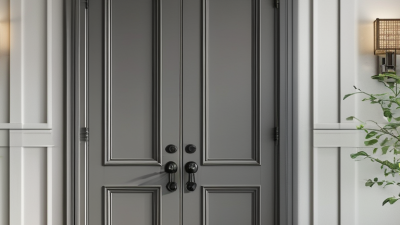
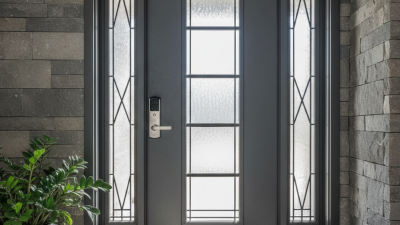
What is Fire Resistant Glass and Why is it Important?
Fire-resistant glass plays a crucial role in modern architecture and safety. According to John Smith, a leading expert in the fire protection industry, "Fire-resistant glass is not just a building material; it’s a lifesaving solution." This specialized glass is designed to withstand high temperatures and prevent the spread of fire.
In commercial and residential buildings, fire-resistant glass provides critical protection. It helps maintain visibility while offering safety from flames. However, misconceptions about its capabilities persist. Many people underestimate its importance and the standards governing its use. Recognizing these complexities is essential.
The application of fire-resistant glass requires expertise. Implementing it incorrectly can lead to severe consequences. As the industry evolves, continuous education is vital. Ensuring that all stakeholders understand its functionality will ultimately save lives and property. Fire-resistant glass is an investment in safety that demands attention and respect.
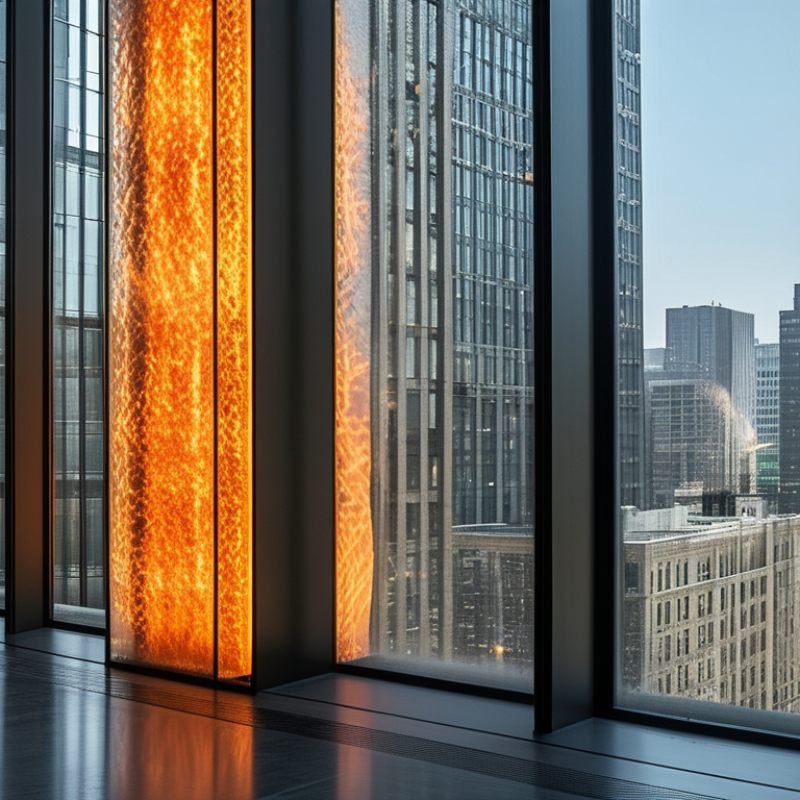
What Defines Fire Resistant Glass: Composition and Types
Fire resistant glass is engineered to withstand high temperatures and prevent the spread of flames. It comes in various types, each designed for specific applications. Common materials include tempered glass, laminated glass, and ceramic glass. Each type has unique qualities, offering different levels of protection.
Tempered glass is heated and cooled quickly, enhancing its strength. Laminated glass consists of layers that hold together when shattered. Ceramic glass can withstand extreme temperatures without breaking. According to the National Fire Protection Association, properly rated fire resistant glass can resist flames and prevent damage for up to 90 minutes. This is crucial in commercial and residential buildings for safety and compliance with building codes.
Tips: Before selecting fire resistant glass, consider its fire rating. Verify the installation method to ensure effectiveness. Always consult with a fire safety expert for proper usage.
Choosing the right fire resistant glass is essential. Not all products offer the same level of protection. Knowing the specific risks in your environment can guide your decisions. Without thorough assessment, you might overlook crucial safety measures. Regular reviews of existing installations can also highlight potential weaknesses.
What is Fire Resistant Glass and Why is it Important?
| Type of Fire Resistant Glass |
Composition |
Temperature Resistance |
Applications |
| Laminated Fire Glass |
Layers of glass and polyvinyl butyral (PVB) |
Up to 30 minutes at 1400°F (760°C) |
Use in doors, windows, and interior partitions |
| Ceramic Fire Glass |
Sodium silicate and aluminosilicate |
Up to 60 minutes at 1800°F (982°C) |
Ideal for fire rated doors and vision panels |
| Intumescent Glass |
Glass with an intumescent layer |
Can expand to withstand up to 120 minutes |
Used in high-rise buildings and critical installations |
| Fire Rated Glazing |
Specially treated glass, often laminated |
Varies by glass type, generally up to 90 minutes |
Applications in commercial settings and public buildings |
Key Fire Safety Standards and Regulations for Fire Resistant Glass
Fire resistant glass plays a crucial role in building safety. It is specifically engineered to withstand high temperatures and prevent the spread of fire. In many regions, stringent fire safety standards dictate how this material must be tested and certified. The National Fire Protection Association (NFPA) and Underwriters Laboratories (UL) are two key organizations that publish guidelines on fire safety. These standards are essential for ensuring that buildings meet safety codes.
One of the critical aspects of fire resistant glass is its classification based on fire ratings. This indicates how long the glass can withstand fire. Common ratings are 30, 60, and 90 minutes, with longer durations offering greater protection. Compliance with these ratings is governed by various codes, including NFPA 80 and International Building Code (IBC). Depending on the application, the building's design can also affect the choice of glass.
Tips: Always consult with certified professionals when selecting fire resistant glass. Ensure that the material is tested for your specific environment. Regular inspections can also help identify any degradation over time, which often goes unnoticed but could compromise safety. Remember, not all glass labeled "fire resistant" meets the same standards. Verify certifications before your final decision.
Applications of Fire Resistant Glass in Commercial and Residential Buildings
Fire resistant glass plays a crucial role in building safety. It protects occupants and property during fires. In commercial buildings, this type of glass is often used in fire-rated partitions and doors. According to a report from the Fire Safety Research Institute, using fire resistant glass can reduce the spread of flames and smoke by over 70%. This contributes to safer evacuation routes.
In residential settings, fire resistant glass is vital for windows and patio doors. It can withstand high temperatures and resist breakage, keeping flames at bay. The National Fire Protection Association notes that homes with fire rated windows have lower chances of fire damage. Still, the installation must meet local codes and regulations. Quality checks are essential. Without adherence to guidelines, the effectiveness may diminish.
Some challenges exist with fire resistant glass. It can be expensive, and installation requires skilled professionals. Homeowners and builders should weigh the costs against potential benefits. Investing in fire safety can save lives. However, it’s also important to address any installation challenges thoroughly. Organizations often emphasize the importance of ongoing maintenance, which can be overlooked but is crucial for effectiveness.
Performance Metrics: Fire Ratings and Testing Methods for Glass
Fire-resistant glass plays a crucial role in modern architecture and safety. Its ability to withstand high temperatures and prevent fire spread is vital in various settings. Understanding performance metrics is key to its effectiveness. Fire ratings indicate how long the glass can endure flames and heat. These ratings, typically expressed in hours, are essential for building codes and safety standards.
Testing methods for fire-resistant glass involve rigorous assessments. The glass is subjected to intense heat and flames in controlled environments. Each test evaluates how the material responds under stress. Different standards and classifications exist worldwide. Knowing these metrics helps architects and builders choose the right product. Misunderstanding these ratings can lead to unsafe installations.
A common misconception is that all glass is fire-resistant. In reality, many products do not meet fire safety standards. The glass needs to be specifically designed to handle fire conditions. Without proper certification, the risks can increase dramatically. Overall, attention to fire ratings and testing methods is vital for safety and compliance. Consumers and professionals alike need to remain informed.
Cost-Benefit Analysis of Using Fire Resistant Glass in Construction Projects
Fire resistant glass plays a critical role in modern construction. This specialized glass can withstand high temperatures and prevent fires from spreading. In commercial buildings, it’s crucial for safety and compliance. According to a report by the National Fire Protection Association, fire-resistant materials can reduce damage and save lives.
However, a cost-benefit analysis shows that fire resistant glass comes with a significant upfront investment. On average, it can cost 20-30% more than standard glass options. Yet, the long-term savings are notable. Facilities using fire resistant glass see reduced insurance premiums by up to 15%. Additionally, fewer fire-related incidents lead to lower repair costs.
Though the initial expenses may deter some, the benefits can outweigh them. Fire resistant glass enhances safety without compromising design. However, calculations must consider potential risks and the specific needs of a project. Balancing upfront costs with potential long-term savings requires careful consideration.
Cost-Benefit Analysis of Fire Resistant Glass in Construction Projects