Leave Your Message

10 Tips for Choosing the Right Wood Veneer Door

A Wood Veneer Door can bring the warmth of natural timber into a home without the weight or cost of a solid-wood slab. But appearance alone does not tell the whole story. The core, veneer thickness, edge construction, finish, and room conditions all affect how the door performs. A smooth walnut face may look striking in a showroom, yet poorly matched grain or exposed edges can disappoint once it is installed.

“Choose the door for its construction, not just its grain,” says Daniel Mercer, a wood-door specialist. Use that as a practical reminder, not a substitute for checking product specifications. A reliable supplier should explain the core material, veneer species, finish options, and care requirements. Ask to see a sample in the room’s actual light. Morning sun can make warm oak look pale; a shaded hallway may deepen its color. Small details matter.

This guide covers ten useful checks, from matching the veneer to inspecting the door’s edges and confirming its intended use. It also considers budget, maintenance, and the consistency of the finish across multiple doors. Even careful buyers can overlook one thing: veneer is natural, so grain and shade may vary. That is not always a defect. Still, compare samples before ordering, and ask what variation to expect. A little caution now can prevent a costly mismatch later.
10 Tips for Choosing the Right Wood Veneer Door

Understand Wood Veneer Door Construction and Materials

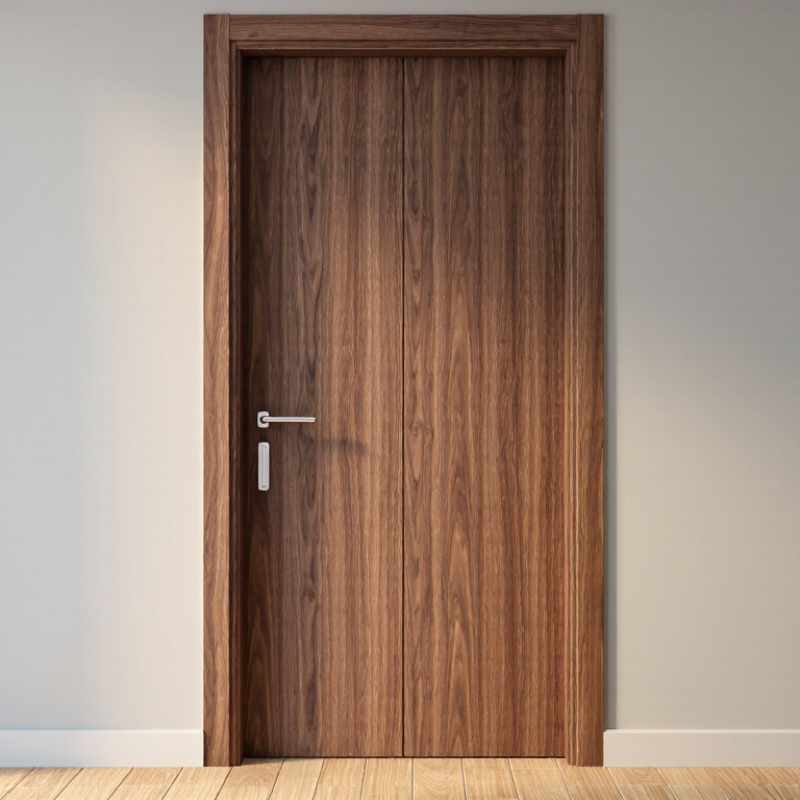
A wood veneer door combines a thin layer of real wood with a supporting core. The veneer provides the visible grain, while the core helps the door hold its shape. Common cores include engineered wood, plywood, and particleboard; each has different weight, stability, and cost. The best choice depends on the door’s location and construction, not just its surface appearance. Look at the edges. They can reveal how the veneer meets the core and whether edge banding is neatly applied.

That balance matters. A well-made door often has a similar veneer layer on both faces, which can help reduce uneven movement as humidity changes. Ask what the core is made from, how thick the veneer is, and what finish protects it. A smooth finish may hide small differences in grain, while a more open finish can make the wood’s texture easier to see. I would not judge quality by grain alone; a beautiful face can distract from weak edge details. It is worth checking the manufacturer’s care guidance, too, especially for rooms where moisture varies. No construction is perfect. Choose materials that suit the room and the wear the door will actually face.
Assess the Door’s Room, Use, and Environmental Requirements

Before choosing a wood veneer door, picture the room at its worst, not just on a calm afternoon. A bathroom door faces steam; a south-facing bedroom door may get hours of direct sun. In a busy hallway, hands, bags, and cleaning cloths quickly test the finish. Match the door’s core, veneer, and coating to those conditions. Ask the supplier about moisture resistance, UV stability, and cleaning guidance. A lovely surface can still be the wrong choice.

Humidity deserves a closer look. The USDA Forest Products Laboratory’s Wood Handbook reports that wood’s equilibrium moisture content is about 7.7% at 70°F and 40% relative humidity, rising to roughly 11% at 60% humidity. Veneer is thin, but it is still wood; repeated swings can stress joints and finishes. Keep indoor humidity reasonably stable, especially near kitchens and bathrooms, and confirm whether the door is suitable for those locations. For bedrooms or home offices, also consider solid-core construction for better sound control. Check the actual specification, not just the showroom sample. Samples can flatter. One detail is easy to miss: a door exposed to strong sunlight may change color unevenly, even when the room stays dry.

Compare Veneer Species, Grain Patterns, and Color

A veneer door’s species sets its starting color and grain, but the cut changes the look. Plain-sliced oak often shows broad cathedral arches; quarter-sliced oak tends toward straighter lines and may reveal small ray flecks. Maple usually reads more quietly, while walnut brings deeper brown tones. Look closely. A small sample can hide how a pattern repeats across a full door.

The USDA Forest Products Laboratory’s Wood Handbook reports specific gravity at 12% moisture content of about 0.63 for red oak and hard maple, and 0.68 for white oak. These figures describe solid wood, not a veneered door’s overall strength. Veneer is thin; core construction and edge details matter more to performance. The handbook also documents natural variation in wood properties, so color can shift between boards—even within one species.

Compare samples side by side in the room where the door will hang. Daylight can make pale maple look cooler; warm bulbs can deepen cherry or walnut tones. Check the face at eye level, then step back to judge the grain’s scale. I still find this easy to misjudge: a striking sample may feel busy when repeated across several doors. Ask for a larger panel, and confirm the veneer cut and finish before ordering.

Choosing a Wood Veneer Door: Janka Hardness by Species

Janka hardness indicates a wood species’ resistance to denting: higher values generally mean a harder wood. These approximate ratings describe the wood species, not the finished door; veneer thickness, core construction, and finish also affect performance. Compare grain pattern and color alongside durability when choosing a veneer.

Evaluate the Core, Finish, Hardware, and Build Quality

A wood veneer door’s core affects its weight, stability, and feel when it closes. Ask whether it contains solid timber, engineered wood, or a combination, and check the product specifications rather than relying on appearance. Engineered cores can offer consistent performance, but quality varies. Tap gently across the surface; a hollow sound may deserve a closer look, though it cannot confirm the core by itself.

Examine the finish in daylight and under warm indoor lighting. The veneer should look even, with grain patterns that flow naturally across visible panels. Run a clean hand along the face and edges to spot rough patches, lifted veneer, or sharp transitions. Check the edges. A thin, exposed edge can be more vulnerable to knocks and moisture than a well-sealed one. Finish samples help, but they may not match a full door exactly.

Hardware and construction deserve equal attention. Look for hinges that sit flush, screw holes that align cleanly, and a latch that moves without sticking. Ask whether the frame and door are designed to work together; mismatched components can cause rubbing after installation. Inspect joints and corners for gaps, and confirm the stated door thickness before choosing handles or locks. Even a careful inspection has limits: lighting can hide small flaws, and installation quality affects the final result.

Confirm Measurements, Installation Needs, and Maintenance Requirements

Tip 1: Measure the opening, not just the old door. Record its height, width, and thickness, then check the frame and floor clearance. A new rug or uneven flooring can change the swing. Measure twice. I once overlooked a low threshold; it made a correct-sized door scrape.

Tip 2: Confirm how the door will be installed before ordering. A prehung door includes its frame, while a slab door uses the existing one. Check hinge positions, swing direction, and wall clearance with the installer. Older frames may be out of square, so measurements at the top, middle, and bottom can differ. Don’t assume.

Tip 3: Ask what care the veneer and finish require. Dust with a soft cloth, and use a slightly damp cloth only when appropriate for the finish. Avoid soaking the surface or using abrasive cleaners. Keep the door away from persistent moisture and strong direct sunlight, which can affect the wood over time. Small marks happen. Keep the care instructions handy, and check the finish periodically for changes.