What Are the Benefits of Steel Fire Rated Doors for Safety?
Steel Fire Rated Doors are essential for enhancing safety in commercial and residential buildings. According to the National Fire Protection Association, about 3,390 fire incidents occur daily in the United States. These statistics highlight the critical need for effective fire safety measures. Industry expert John Smith asserts, "Steel Fire Rated Doors are the first line of defense during a fire." His insights underline the protective role these doors play.
These doors are designed to withstand fire for specific durations, often rated from 20 to 90 minutes. This gives occupants vital time to evacuate. Steel Fire Rated Doors are made from robust materials, ensuring they are both durable and reliable. This durability is crucial when fires compromise other building structures. Many installations have proven effective in limiting fire spread, thereby reducing damage and saving lives.
Investing in these doors may seem costly initially, but the long-term benefits are significant. Building owners should regularly evaluate their fire safety measures. A neglected fire safety system could have disastrous consequences. Regular assessments and updates on fire rated doors can prevent potential tragedies. In conclusion, understanding the necessity of Steel Fire Rated Doors is vital for both safety and compliance.
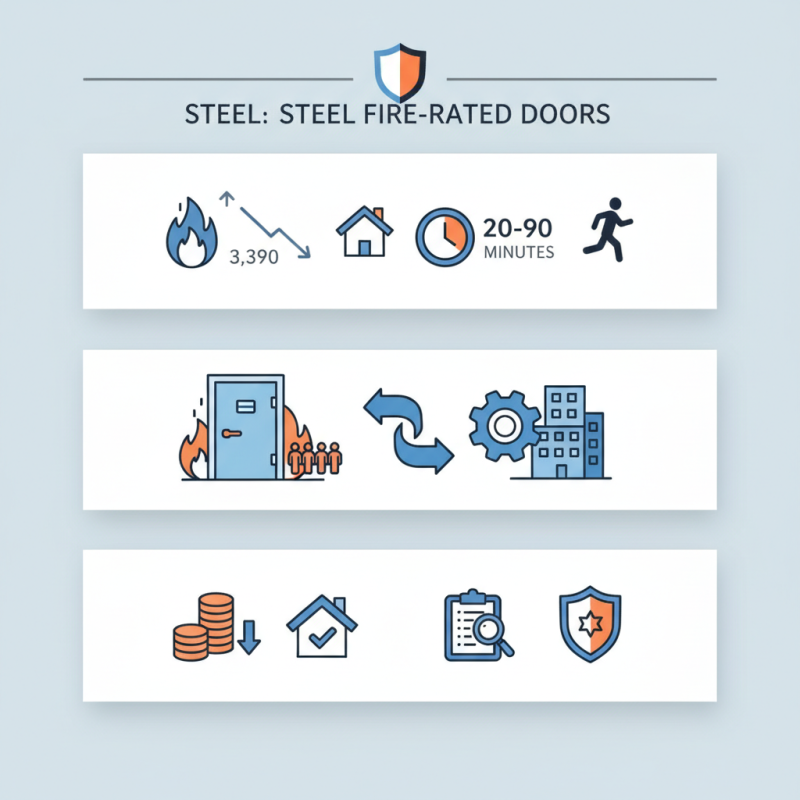
Overview of Steel Fire Rated Doors and Their Importance
Steel fire rated doors play a vital role in safety protocols. They are designed to withstand high temperatures and prevent the spread of fire for specified periods. This fire resistance is essential in commercial buildings, hospitals, and schools, where large groups of people gather. The integrity of these doors can mean the difference between life and death during a fire incident.
Moreover, steel fire rated doors provide an added layer of security. They are not only fire-resistant but also offer durability against physical impacts. Their robust nature makes them less susceptible to tampering or break-ins. It’s important to note, however, that not all installations are perfect. Regular maintenance and inspections are critical to ensure they perform appropriately when needed.
Choosing the right fire rated door involves considering various factors. It’s essential to assess the specific needs of a building, such as occupancy and layout. While some may opt for cheaper alternatives, this can lead to risks. Investing in high-quality fire rated doors reflects a commitment to safety. It can also reduce potential liability in emergency situations.
Benefits of Steel Fire Rated Doors for Safety
Key Safety Features of Steel Fire Rated Doors
Steel fire rated doors provide essential safety features in various environments. They undergo rigorous testing to ensure effectiveness during a fire. For example, tests from the National Fire Protection Association indicate that these doors can withstand fire for up to 3 hours. This helps contain flames and smoke, giving occupants valuable time to escape.
One key feature is their ability to block heat and flames. This limits the spread of fire, making evacuation safer. Many buildings require these doors to meet specific code regulations. Around 56% of commercial buildings incorporate such safety measures. The durability of steel compared to wood or fiberglass is another factor. Steel can resist impact and wear better over time, an important consideration for high-traffic areas.
Tip: Regularly inspect fire rated doors for any damage. Ensure seals and frames are intact. Poor maintenance can render a rated door ineffective.
Another aspect to consider is the door’s construction. A solid core structure enhances fire resistance. Research has shown that inadequately installed doors can fail to perform during emergencies. The verification of proper installation is crucial. Engaging certified professionals is recommended for both installation and inspection.
Tip: Maintain documentation of inspections and repairs. This ensures compliance and safety for building occupants.
Comparison of Steel Fire Rated Doors with Other Door Materials
Steel fire rated doors stand as a robust option in safety measures. They outperform wooden and glass doors in fire resistance. Steel can endure high temperatures for extended periods. This durability is crucial during emergencies. Many buildings prioritize fire safety. Steel doors can resist flames for up to three hours. This gives occupants valuable time to escape.
In contrast, wooden doors are often compromising. They can warp and ignite quickly. Glass doors may enhance aesthetics but lack fire ratings. They shatter under heat, providing no barrier. Steel doors are non-combustible, making them ideal for commercial spaces. They meet strict safety regulations and building codes. Reliable installations deliver peace of mind.
However, not all steel doors are created equal. Installation quality matters significantly. Improper fitting can reduce their effectiveness. Additionally, regular maintenance is key to long-term performance. Corrosion can weaken the structure over time. It's essential to inspect and refresh seals. The choice of fire rated door affects entire building safety. Thoughtful consideration is crucial in decision-making.
What Are the Benefits of Steel Fire Rated Doors for Safety? - Comparison of Steel Fire Rated Doors with Other Door Materials
| Door Material |
Fire Resistance Rating |
Durability |
Cost |
Maintenance |
| Steel |
Up to 3 hours |
High |
Medium |
Low |
| Wood |
Up to 1 hour |
Medium |
Low |
High |
| Fiberglass |
Up to 90 minutes |
Medium |
Medium |
Medium |
| Aluminum |
Up to 1 hour |
Medium |
High |
Low |
Regulatory Standards for Steel Fire Rated Door Performance
Steel fire rated doors play a crucial role in building safety. They must meet stringent regulatory standards to be effective. These standards are set by organizations like the National Fire Protection Association (NFPA) and Underwriters Laboratories (UL). Compliance ensures that the doors can withstand heat and prevent smoke from spreading. Knowing these requirements is key for builders and safety officers.
Different levels of fire ratings exist. Some doors offer 30 minutes of protection, while others can last up to three hours. Understanding the appropriate door rating for a specific building is essential. It involves analyzing the building's layout and potential fire risks. Regular testing and certifications ensure that doors will perform as expected in emergencies.
While many facilities invest in these doors, not all maintain them properly. Regular inspections and maintenance are necessary to ensure their effectiveness. Sometimes, people overlook minor wear and tear. This can lead to significant safety risks. Building managers must remain vigilant to address any issues with fire rated doors promptly.
Maintenance and Longevity of Steel Fire Rated Doors
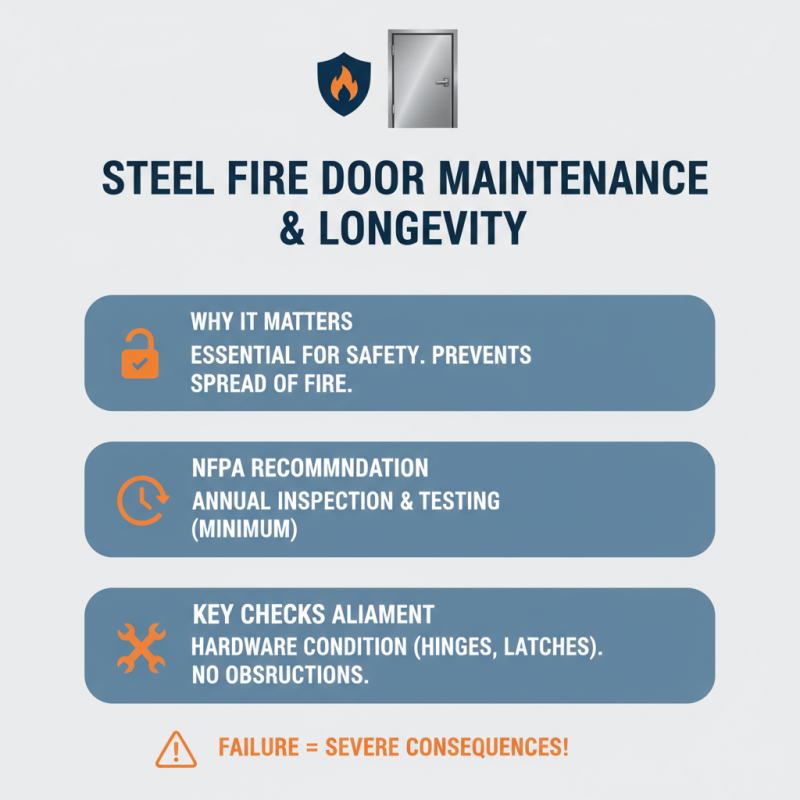
Steel fire rated doors are essential for safety, but they also require regular maintenance to ensure their longevity. According to the National Fire Protection Association (NFPA), fire doors should be inspected and tested at least once a year. This includes checking for gaps, alignment, and the condition of the hardware. A simple inspection can reveal potential issues that might compromise safety. Failure to address these can lead to severe consequences during an emergency.
In terms of maintenance, these doors typically have a lifespan of 20 to 30 years. Factors such as humidity, temperature fluctuations, and wear can affect this. Steel is resistant to many environmental factors, yet it requires periodic repainting to prevent rust. Regularly checking seals and gaskets helps maintain the effectiveness of their fire resistance. Additionally, a report from the Door and Hardware Institute highlighted that poorly maintained fire doors can jeopardize their performance. This is a critical reminder that consistent upkeep is not merely recommended; it is necessary for safety compliance and operational effectiveness.