Leave Your Message
 Sterile Environment Doors for Utility Rooms
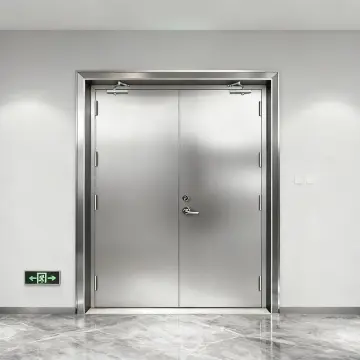 Stainless Steel Fire-Rated Doors for Power Plants
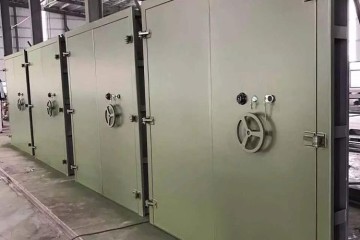 Moisture Tight Doors for Utility Spaces
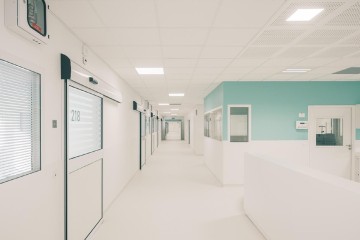 Security Doors with Style for Facility Health
Water resistant air tight doors play a critical role in power plants and utility rooms where precision environmental control and safety are paramount. These industrial-grade doors are engineered to provide superior resistance against water infiltration while maintaining airtight seals that support controlled atmospheres and containment.
In industrial settings like power generation facilities, maintaining dryness, preventing contamination, and controlling airflow is essential for equipment longevity and operational safety. Air tight doors mitigate the risks posed by humidity, dust, and airborne particulates, preventing them from entering sensitive spaces and affecting machinery performance.
This product category has evolved significantly with advances in sealing materials, corrosion resistant coatings, and door frame engineering, enabling installation in even the most demanding environments. The integration of fire resistance and blast resistance features further enhances safety, especially in critical utility rooms where hazardous electrical or mechanical equipment is housed.
Power plants and utility rooms have driven growing demand for doors that are not only water resistant and airtight but also energy efficient, environmentally sustainable, and capable of withstanding extreme operational conditions. Smart sealing technologies that adapt dynamically to pressure changes are an emerging trend, reducing air leakage and improving HVAC efficiency.
Manufacturers are incorporating advanced surface treatments and composite materials to resist corrosion from chemicals or salt-laden air common in coastal or industrial zones. Furthermore, doors designed with modular assemblies allow faster on-site customization and installation to fit unique site requirements.
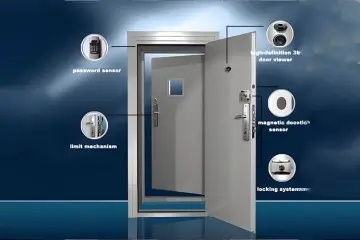
The integration of IoT sensors embedded within doors to monitor integrity, humidity levels, and air tightness in real time is paving the way for predictive maintenance and enhanced safety protocols in critical infrastructure.
Beyond the fundamental function of sealing water and air, these doors are integral in several specialized scenarios within industrial environments:
1. Turbine and Generator Rooms: These spaces demand robust air tight doors to prevent moisture ingress that can damage electrical components and reduce efficiency. Water resistant sealing also protects fragile instruments during pipe leakages or fire-fighting system discharges.
2. Control Rooms and Electrical Panels: Maintaining a controlled environment with strict particulate and moisture control ensures that sensitive control systems operate reliably. Airtight doors reduce contamination risk while maintaining proper ventilation balance.
3. Chemical Treatment and Cooling Utility Areas: Exposure to corrosive agents, water spray, and temperature fluctuations necessitates the use of corrosion-resistant doors with long-lasting seals and frames that avoid warping or degradation.
4. Emergency Exit and Access Way Doors: These must combine airtightness and water resistance with fire-rated and blast-resistant capabilities, allowing safe evacuation while preserving compartmentalization during critical incidents.
Customized designs that include sound insulation and radiation shielding are also being integrated in some specialized power plants like nuclear or thermal facilities, further broadening application diversity.
For manufacturers and suppliers, water resistant air tight doors for power plants and utility rooms represent a valuable niche with expanding global demand. Aging infrastructure retrofit projects as well as new energy facility constructions both drive market growth.
Offering customizable configurations that align with rigorous industry certifications and sustainability standards adds distinct competitive advantages. The ability to collaborate closely with engineering teams to tailor door solutions enhances client retention and referral.
The continuous innovation in materials technology, smart integration, and modular construction points toward a future with more adaptive, automated, and resilient door systems that will support evolving energy and industrial ecosystems worldwide.