



Medical Door Solutions
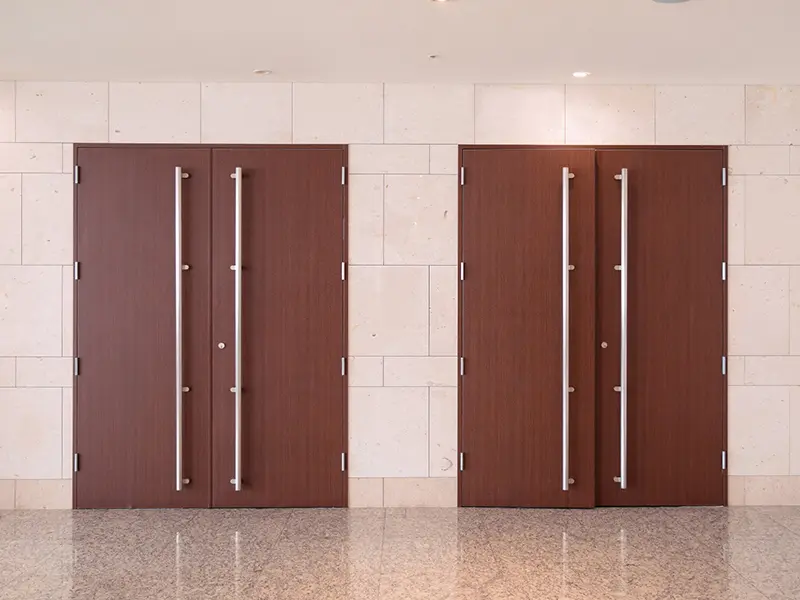
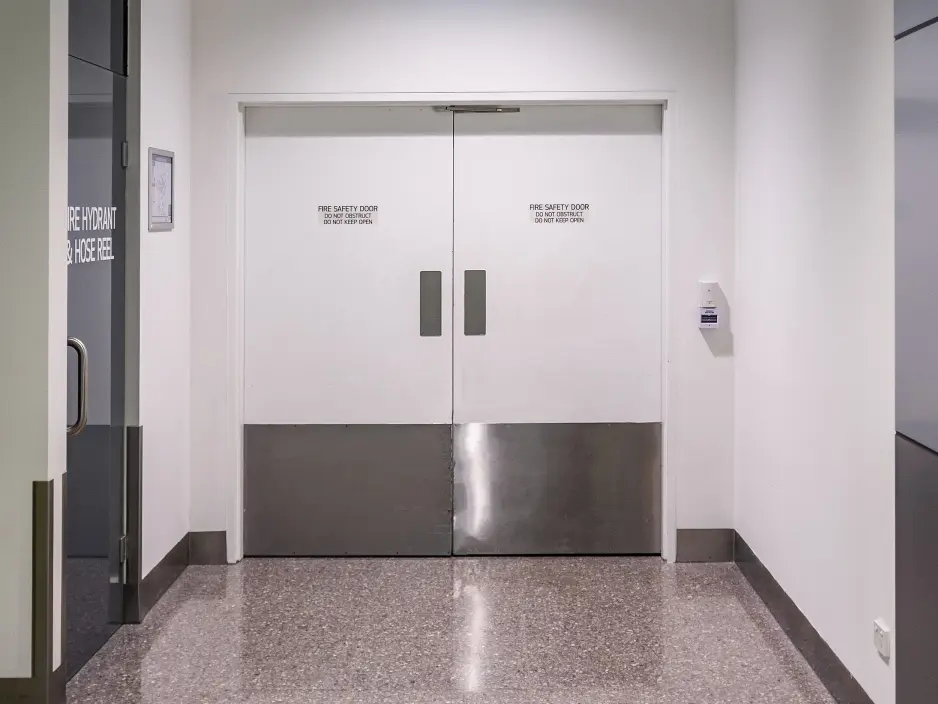
Medical doors are specially designed for healthcare environments to meet the unique needs of hospitals, clinics, and other medical institutions. These doors typically feature impact resistance, antibacterial properties, soundproofing, and sealing capabilities, providing safety and convenience in various medical settings. Below are the main applications of medical doors and the specific problems they can address.
Applications of Medical Doors
Hospitals
Operating Rooms:Fire-rated or airtight medical doors are used in operating rooms to maintain a sterile environment and prevent external bacteria from entering.
Patient Rooms:Impact-resistant and antibacterial doors facilitate patient entry and exit, reducing damage from impacts while maintaining hygiene and safety.
Clinics and Medical Centers
General Examination Rooms, Laboratories:Antibacterial and easy-to-clean medical doors ensure cleanliness in medical environments and reduce the risk of cross-contamination.
Emergency Rooms:Automatic doors with quick opening functions enable rapid patient entry during emergencies, improving treatment efficiency.
Laboratories
Biological Safety Laboratories:Airtight doors provide excellent sealing to prevent the leakage of hazardous substances, ensuring a safe experimental environment.
Chemical Laboratories:Corrosion-resistant doors protect against chemical damage and leakage, safeguarding the safety of staff.
Nursing Homes and Rehabilitation Centers
Nursing Stations and Shared Spaces:Efficient and safe medical doors enhance caregiving for the elderly and patients, improving service efficiency.
Pharmaceutical and Medical Equipment Storage
Pharmacy Rooms:Fire-rated doors ensure the safe storage of medicines and prevent the risk of accidental fires.
Public Health Facilities
Vaccination Centers:Medical doors with washable and antibacterial properties maintain cleanliness and hygiene, ensuring the safety of vaccinators and recipients.
Problems Addressed by Medical Doors
Improving Hygiene and Safety:Medical doors are often made from stainless steel or feature antibacterial coatings, reducing bacterial growth and maintaining high hygiene standards, thus lowering the risk of cross-contamination.
Ensuring Privacy:Medical doors in patient rooms and examination areas prevent external visual intrusion, protecting patient privacy and dignity.
Enhancing Safety:Impact resistance and fireproof characteristics of medical doors increase security, preventing accidents and ensuring the safety of both patients and medical staff.
Improving Operational Efficiency:Features such as automatic sensor doors allow for quick access during emergencies, facilitating efficient movement for both medical personnel and patients.
Ensuring Airtightness:For areas requiring special environments (such as operating rooms), the airtightness of medical doors ensures a sterile environment, preventing bacterial transmission through the air.
Durability and Easy Maintenance:Medical doors are designed to be durable and easy to clean, allowing frequent disinfection and maintenance, extending their service life and reducing upkeep costs.
Reducing Noise:Acoustic and soundproof doors effectively reduce noise, providing a quiet environment that aids in patient rest and recovery.
Conclusion
Medical doors play a crucial role in healthcare facilities, with their unique designs and functions addressing the specific needs of medical environments. By selecting the right type of medical door, healthcare institutions can effectively enhance safety, hygiene, and service efficiency. Based on their unique requirements and characteristics, medical institutions should choose the most suitable medical door types to provide a safe and comfortable environment for both patients and healthcare professionals.