How to Choose the Right Fire Rated Steel Door Frame for Your Building?
Choosing the right fire rated steel door frame is crucial for any building's safety. According to the National Fire Protection Association (NFPA), fire rated doors can prevent the spread of smoke and flames for a certain period. This can significantly reduce casualty rates in fires. In fact, a report from the Fire Protection Research Foundation highlights that correctly selected fire rated door systems can save lives and protect property.
Every structure has unique needs based on its design and use. A fire rated steel door frame must comply with local codes and standards, which can differ significantly. For example, some jurisdictions require a minimum fire rating of 1 hour, while others may mandate up to 3 hours. Understanding these requirements is essential for compliance and overall safety.
While many manufacturers offer various options, not all fire rated steel door frames perform equally. It's vital to evaluate the materials and certifications closely. The decision can seem daunting. However, with precise criteria, selecting the appropriate frame can effectively mitigate fire risks and enhance the building’s integrity. Reflecting on past incidents, the importance of quality in fire safety cannot be overstated.
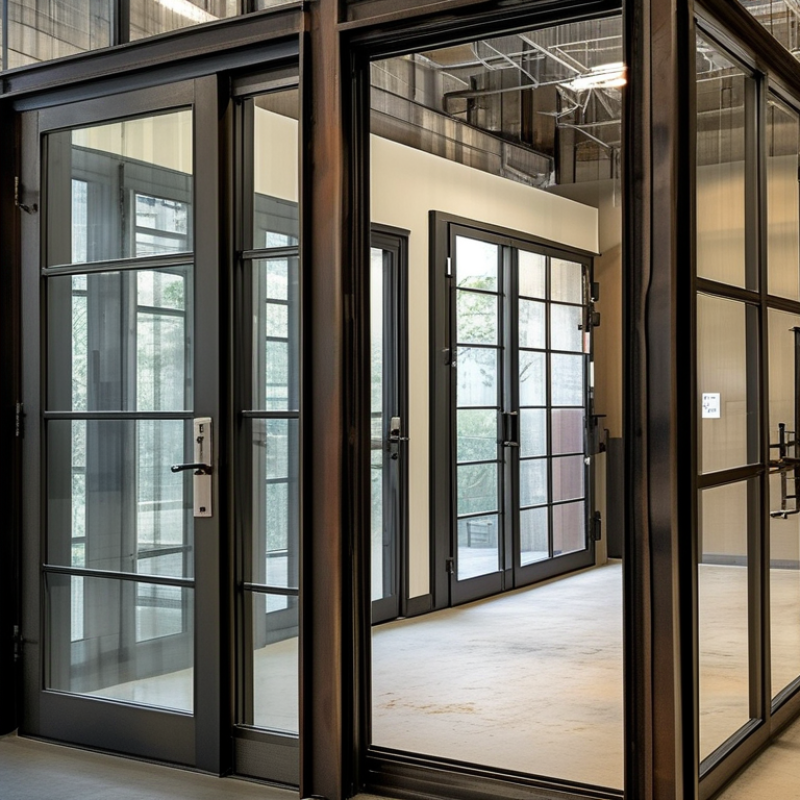
Factors to Consider When Choosing Fire Rated Steel Door Frames
Choosing the right fire-rated steel door frame demands a clear understanding of essential factors. Fire-rated doors play a critical role in building safety. They can prevent the spread of fire and smoke. According to a National Fire Protection Association (NFPA) report, fire-rated doors can save lives. Selecting the proper frame is crucial for optimal performance.
One key factor to consider is the fire rating itself. Ratings typically range from 20 minutes to 3 hours. It’s vital to select a rating that meets your building’s safety requirements. Additionally, the location of the frame matters. Areas with higher fire risk may need more robust solutions. The frame must also fit the specific door type, ensuring proper sealing when closed.
When considering your options, pay attention to installation methods. Poor installation can reduce a door's effectiveness. A study by the Door Security & Safety Foundation reveals that nearly 30% of fire-rated doors fail at installation. Proper training for installers is critical.
Tip: Always check local building codes. Compliance with regulations ensures safety and can prevent costly fines.
Selecting durable materials can also enhance performance. Look for frames made from high-quality steel. Steel thickness can impact durability and fire resistance. A stronger frame can help maintain the door’s integrity in a fire.
Tip: Regular maintenance is essential. Inspect door seals and hardware periodically to guarantee functionality.
Understanding Fire Ratings and Standards for Steel Door Frames
When selecting a fire rated steel door frame, understanding fire ratings and standards is crucial. Steel door frames must meet specific fire resistance ratings, which indicate how long they can withstand a fire. Common ratings include 20, 45, 60, and 90 minutes. The National Fire Protection Association (NFPA) provides guidelines that many building codes adhere to. These specifications ensure safety and compliance in various building types.
It's essential to recognize the difference between fire doors and frames. Fire doors prevent the spread of fire. Frames support the door and play a key role in fire integrity. According to a report by the National Institute of Standards and Technology (NIST), improperly installed frames can reduce overall performance by up to 30%. Pay attention to details like the material and installation quality.
Tip: Always check for certification labels on products to ensure they meet required standards. Look for frames that have been tested and approved by recognized organizations. This can simplify the decision-making process.
Tip: Regular inspection is important. Framing can degrade over time, impacting your building’s safety. Periodic evaluations help identify potential weaknesses.
Assessing the Building's Specific Fire Safety Requirements
When selecting a fire rated steel door frame, understanding your building's specific fire safety requirements is crucial.
Start by assessing the type of occupancy your building has. Different spaces, such as residential, commercial, or industrial, demand varying levels of fire protection.
Evaluate the potential fire hazards present in your space. This insight will guide you in choosing the right door frame.
Consider the fire rating you need. Fire rated frames are classified by their ability to withstand heat and prevent flames from spreading.
These ratings typically range from 20 minutes to 3 hours. It's essential to match the fire rating with your local safety codes.
Consult local fire marshals or safety officials to ensure compliance.
Tips:
- Always check for certification labels on steel door frames. This guarantees they meet safety standards.
- Evaluate the installation process, as wrong installation can compromise fire protection.
- Regularly inspect your fire rated doors, looking for signs of wear or damage. An overlooked door could lead to safety risks during an emergency.
Comparing Material Quality and Durability in Steel Door Frames
When selecting a fire-rated steel door frame, material quality is critical. Steel grades can vary, affecting durability. An ideal frame should withstand high temperatures and resist warping. Look for frames made from galvanized steel. This type is less prone to corrosion. Durability ensures the door maintains integrity during a fire.
Consider the thickness of the steel. Thicker frames tend to provide better resistance. A frame with an appropriate gauge can handle impacts and resist bending. This becomes particularly vital in high-traffic areas. Reflect on how often the door will be used. Frequent use can wear down a lower-quality frame quickly.
Do not overlook installation. Even the best frame can fail if not installed properly. Gaps between the frame and wall can hinder performance. Ensure that professionals handle the installation. Review their experience and past projects. It’s crucial to understand that even high-quality frames can underperform if installed incorrectly.
How to Choose the Right Fire Rated Steel Door Frame for Your Building?
| Frame Material |
Fire Rating |
Durability |
Cost ($) |
Best Use Case |
| Galvanized Steel |
1.5 Hours |
High |
250 - 350 |
Commercial Buildings |
| Stainless Steel |
2 Hours |
Very High |
400 - 600 |
Hospital and Laboratories |
| Mild Steel |
1 Hour |
Medium |
150 - 250 |
Residential Buildings |
| Aluminum |
1.5 Hours |
High |
300 - 450 |
Office Buildings |
| Composite |
2 Hours |
High |
500 - 700 |
Industrial Areas |
Installation and Maintenance Considerations for Fire Rated Doors
When installing fire-rated steel door frames, attention to detail is key. Fire-rated doors must meet specific codes and standards to ensure optimal safety. According to the National Fire Protection Association (NFPA), fire-resistant doors should have a rating of at least 20 minutes, with many needing to withstand up to 90 minutes or more. Installing these doors requires proper alignment and secure fastenings to maintain their rating.
Maintenance tasks should not be neglected. Regular inspections are crucial to ensure that the door closes properly and that there are no gaps in the sealing. A report from the International Code Council emphasizes that failure to maintain fire doors can significantly increase risks during an emergency. Routine checks should include examining the door hardware and ensuring that intumescent seals are in good condition.
Tips: Keep records of all inspections and repairs. This practice not only aids maintenance but also improves overall building safety.
Also, consider environmental factors that might affect the longevity of the door frame. Humidity, temperature, and wear and tear can impact its effectiveness. Maintenance, while sometimes seen as a burden, is essential for safeguarding lives and property.