
Leave Your Message

Top 10 Benefits of Fire Resistant Glass for Modern Architecture

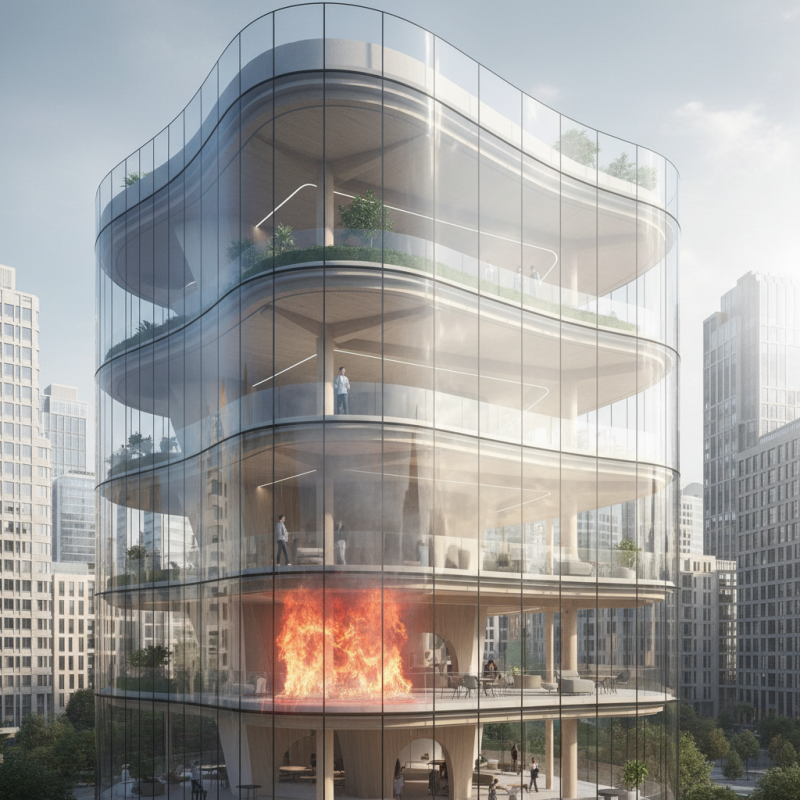
In modern architecture, safety is paramount. One innovative material transforming building design is Fire Resistant Glass. According to Mark S. Thompson, a leading expert in fire safety engineering, “Fire Resistant Glass not only protects lives but also enhances architectural beauty.” His insight underscores the importance of this material in creating safe and visually appealing structures.

Fire Resistant Glass provides significant advantages. It allows natural light to flood into buildings while ensuring safety during emergencies. The glass can withstand high temperatures and prevent the spread of flames and smoke. Furthermore, it is available in various styles and thicknesses, making it adaptable to any design requirement. However, not all Fire Resistant Glass is created equal; potential buyers must research and choose quality products carefully.

As with any material, there are areas for improvement in Fire Resistant Glass technology. Some products can be heavy and challenging to install. Nevertheless, the benefits generally outweigh these issues. Architects and builders are encouraged to embrace Fire Resistant Glass to create beautiful, secure spaces that meet modern safety standards.
Top 10 Benefits of Fire Resistant Glass for Modern Architecture

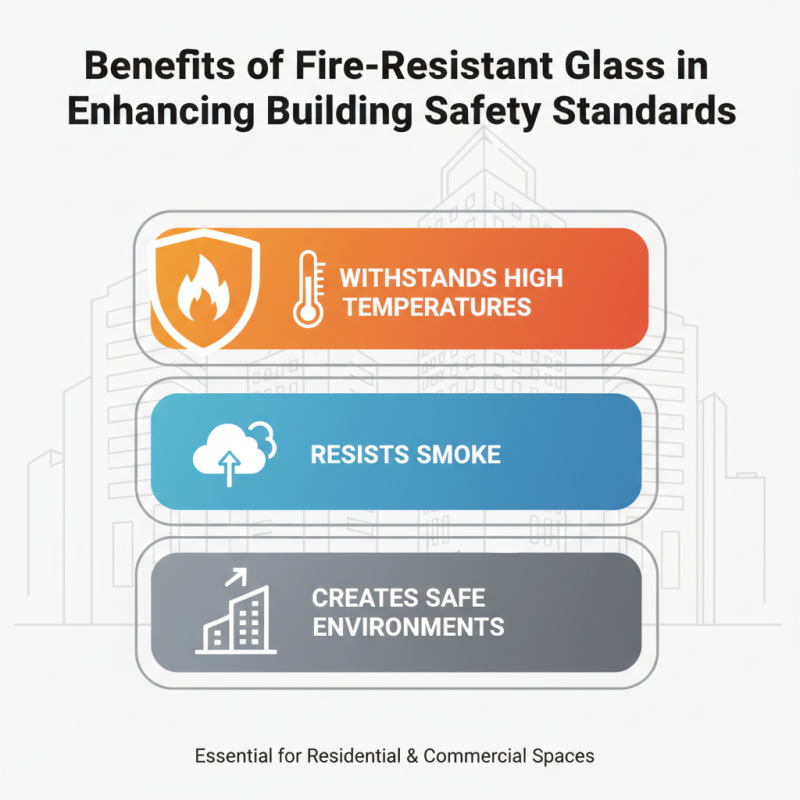
Benefits of Fire Resistant Glass in Enhancing Building Safety Standards

Top 10 Benefits of Fire Resistant Glass for Modern Architecture

Fire resistant glass plays a vital role in modern architecture. It enhances building safety standards significantly. This type of glass can withstand high temperatures and resist smoke. It is essential for creating safe environments in both residential and commercial spaces.

In many designs, fire resistant glass is used in partitions and windows. This adds an aesthetic value while ensuring safety. Buildings with this glass can prevent fire from spreading quickly. It can buy valuable time for evacuation during emergencies. However, it’s important to note that the installation needs proper expertise. Poor installation can compromise its effectiveness.

While many appreciate its benefits, some overlook potential downsides. Fire resistant glass may limit visibility due to tinting. It might also increase initial construction costs. These concerns deserve attention in building design discussions. Balancing safety with visual appeal is a challenge architects face. Nevertheless, the protective qualities of fire resistant glass offer a strong argument for its use in modern architecture.
Impact of Fire Resistant Glass on Building Insurance Premiums and Risk Ratings

Fire resistant glass plays a crucial role in modern architecture. Its benefits extend beyond aesthetics and safety; they can significantly influence building insurance premiums and risk ratings. Insurers often evaluate buildings based on their fire resistance measures. A structure equipped with high-quality fire resistant glass may lower the perceived risk of fire hazards. This can lead to decreased insurance costs.

Buildings designed with fire resistant glass often receive better risk ratings from insurance providers. These glass materials limit fire spread. They withstand high temperatures, protecting structural integrity. Insurers typically reward facilities that minimize risks through lower premiums. However, the actual impact on costs can vary. Some properties may not see substantial reductions due to other risk factors like location or occupancy type.

While fire resistant glass can enhance safety, it is not a complete solution. Owners should still conduct regular safety assessments. Other fire protection measures are essential. Insurance companies may require a comprehensive approach to ensure favorable rates. The benefits of fire resistant glass must be weighed against these other necessary aspects.

Aesthetic Advantages: Fire Resistant Glass in Modern Architectural Design

Top 10 Benefits of Fire Resistant Glass for Modern Architecture

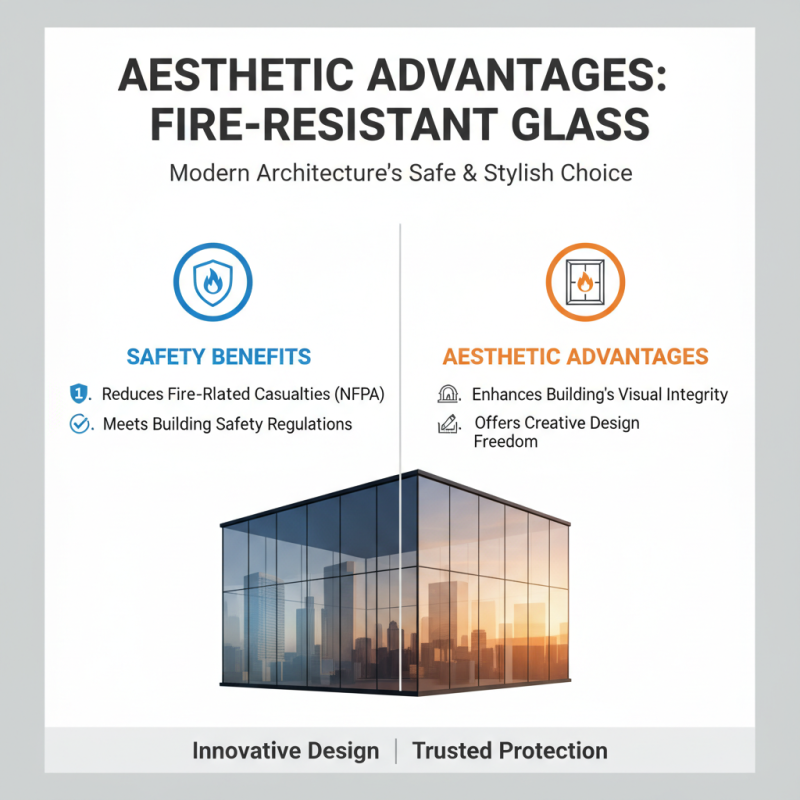
Increasingly, modern architecture embraces fire resistant glass for both safety and aesthetic appeal.This unique material enhances the visual integrity of buildings while conforming to stringent safety standards. According to a report by the National Fire Protection Association, fire resistant materials can reduce fire-related casualties significantly. Utilizing such glass not only ensures compliance with safety regulations but also offers architects creative freedom.

Fire resistant glass is available in multiple designs and finishes. Options like clear, tinted, and decorative patterns allow for versatile applications. Architects can design expansive windows without compromising safety. The versatility of this glass brings light into spaces, creating a lively atmosphere. However, some building codes are complex. Architects must stay informed about local regulations concerning fire safety. This understanding can sometimes be a stumbling block in the design process.

While the aesthetic benefits are apparent, challenges remain. Fire resistant glass can be heavier than other materials, affecting structural calculations. Moreover, while it enhances design, ensuring installation quality is crucial. Poor installation can negate fire safety benefits. Organizations like the Architectural Glass and Metal Technician certification program emphasize training in proper installation techniques. If overlooked, these details pose risks. Adapting architectural visions to include fire resistant glass demands careful consideration and expertise.

Energy Efficiency: How Fire Resistant Glass Contributes to Building Sustainability

Fire resistant glass plays a significant role in modern architecture, particularly in enhancing energy efficiency. According to the National Glass Association, buildings account for about 39% of energy usage in the United States. By integrating fire resistant glass, architects can help reduce this number. This type of glass minimizes heat transfer, maintaining indoor temperatures. Consequently, it lowers HVAC costs, making buildings more sustainable.

In a recent report by the U.S. Department of Energy, buildings using high-performance glass can save up to 25% on energy costs. This statistic highlights the importance of fire resistant glass in sustainable design. Its unique properties allow better sunlight management while protecting occupants during a fire. Many structures are still limited by traditional materials that do not offer similar benefits. Fire resistant glass offers a chance to innovate.

While fire resistant glass is effective, it is not without challenges. Installation can be complicated. Proper sealing is critical to ensure optimal performance. Missteps during installation may reduce energy efficiency. The industry must continue to educate builders and architects on best practices. As more research emerges, the potential for advancements in this area becomes clear, allowing for improved building designs that prioritize both safety and sustainability.

Top 10 Benefits of Fire Resistant Glass for Modern Architecture

Regulatory Compliance: Fire Resistant Glass and Its Role in Building Codes

Fire resistant glass plays a crucial role in modern architecture, particularly in adhering to building codes. These codes are designed to ensure safety, and fire resistant glass is often a requirement in various settings. It provides critical protection, minimizing the risk of fire spread and enhancing safety for occupants. By using this type of glass, architects can design stylish buildings without sacrificing safety.

Incorporating fire resistant glass not only aligns with safety regulations but also fosters aesthetic flexibility. Buildings can have expansive glass facades while still complying with stringent safety standards. This approach enhances energy efficiency and reduces the environmental impact.

Tips for selecting fire resistant glass include understanding local codes. Each region may have different requirements. Consult with local building authorities when planning your project. Ensure that the glass meets specific fire ratings relevant to the building type. Choosing the right glass can be complex. Look for reliable manufacturers who prioritize compliance and quality. Their expertise can help navigate these regulations effectively.

Top 10 Benefits of Fire Resistant Glass for Modern Architecture

Benefit Description Regulatory Compliance
Enhanced Safety Provides protection against fire hazards, reducing risk to occupants. Meets fire safety regulations in building codes.
Aesthetic Appeal Offers a sleek and modern look while maintaining safety standards. Enhances building designs compliant with visual safety norms.
Natural Light Allows natural light to enter while providing fire resistance. Adheres to regulations for light accessibility in commercial spaces.
Noise Reduction Helps to minimize external noise, creating a quieter environment. Meets requirements for sound insulation in urban settings.
Durability Resistant to impacts and high temperatures, ensuring longevity. Complies with durability standards in building regulations.
Energy Efficiency Can reduce energy costs by improving insulation. Supports energy code compliance for new constructions.
Versatility Can be used in various applications, from residential to commercial. Ensures compliance across diverse architectural projects.
Sustainability Made from environmentally friendly materials, promoting green building. Aligns with LEED and other green building certifications.
Cost-Effectiveness Provides value by combining multiple benefits, saving money over time. Compliance with fire codes can reduce insurance premiums.
Fire Control Provides effective fire control, helping to limit the spread of flames. Meets fire separation and prevention requirements in building laws.