Top 10 Benefits of Fire Resistant Glass for Global Buyers?
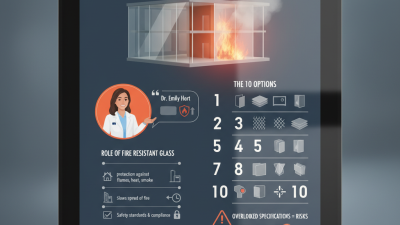
In the ever-evolving construction industry, safety remains a top priority. Fire resistant glass plays a crucial role in enhancing fire safety in buildings. According to a report by the Global Market Insights, the fire resistant glass market is projected to reach $7 billion by 2027. This growth underscores its increasing importance in both commercial and residential settings.
Fire resistant glass is not just a regulatory requirement; it is a vital element in protecting lives and properties. Buildings equipped with fire resistant glass can contain flames and smoke more effectively. Notably, structures using this material have reported reduced fire damage and enhanced escape routes. However, some industry players still overlook its benefits, focusing solely on aesthetic aspects. This oversight can lead to grave safety risks.
Moreover, challenges like the initial cost of installation may deter some buyers. While the upfront investment can be substantial, the long-term benefits often outweigh these expenses. As awareness and technology improve, embracing fire resistant glass becomes increasingly essential for global buyers. Its role in safeguarding communities cannot be underestimated, making it a wise choice for builders and architects alike.
Top 10 Benefits of Fire Resistant Glass for Global Buyers
Fire resistant glass offers numerous benefits that make it an essential choice for various applications. One significant advantage is enhanced safety. According to a report by the National Fire Protection Association, fire-related incidents cause significant property damage annually. Using fire resistant glass can mitigate these risks by containing flames and preventing smoke spread.
Another key benefit is compliance with building codes and regulations. Many regions require fire rated materials in construction. A study found that buildings utilizing fire resistant glass had a 25% lower risk of fire damage, highlighting its importance in both residential and commercial constructions.
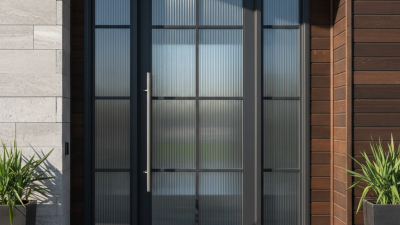
Additionally, fire resistant glass provides design flexibility. It can be integrated into facades, doors, and partitions without compromising aesthetics. This versatility attracts architects and builders. However, challenges remain in materials performance and cost implications. Buyers must weigh these factors carefully to ensure long-term benefits. These considerations drive an ongoing need for education within the industry.
Enhanced Safety: Reducing Fire Risks in Commercial Properties
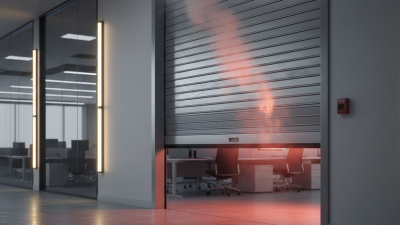
Fire-resistant glass is a vital component in modern commercial architecture. It significantly enhances safety by reducing fire risks. In case of a fire, these specialized panes can protect occupants and prevent the spread of flames. Traditional glass offers little resistance, often shattering under extreme heat. Fire-resistant glass, however, can withstand high temperatures, providing crucial extra time for evacuation.
Implementing fire-resistant glass in buildings is not just a precaution; it’s a necessity. For instance, in multi-story complexes, a single fire outbreak can lead to catastrophic results. Investing in this technology can dramatically lower fatalities. Additionally, regulatory standards often require the use of such materials in specific areas, such as stairwells and shared hallways. Unfortunately, some property owners overlook these regulations, risking safety and legal consequences. Using fire-resistant glass improves the structural integrity, which helps in maintaining a safe environment during emergencies.
Some may question its effectiveness or cost. These concerns are valid but often unfounded. Fire-resistant glass presents an opportunity for safety that is well worth the investment. Its integration into commercial properties reflects a commitment to overall safety, meeting both building codes and moral obligations. Choosing fire-resistant solutions requires thoughtful consideration, and it can shape the future of fire safety in our buildings.
Regulatory Compliance: Meeting Fire Safety Standards Worldwide
Fire-resistant glass plays a crucial role in meeting global fire safety standards. Compliance with these regulations is essential for architects, builders, and safety professionals. Different regions have unique fire safety codes. Familiarizing yourself with local requirements can prevent costly delays and modifications later.
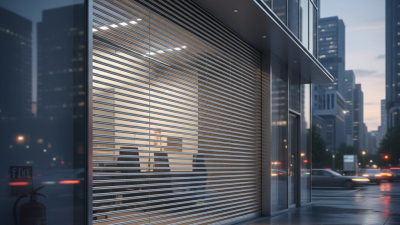
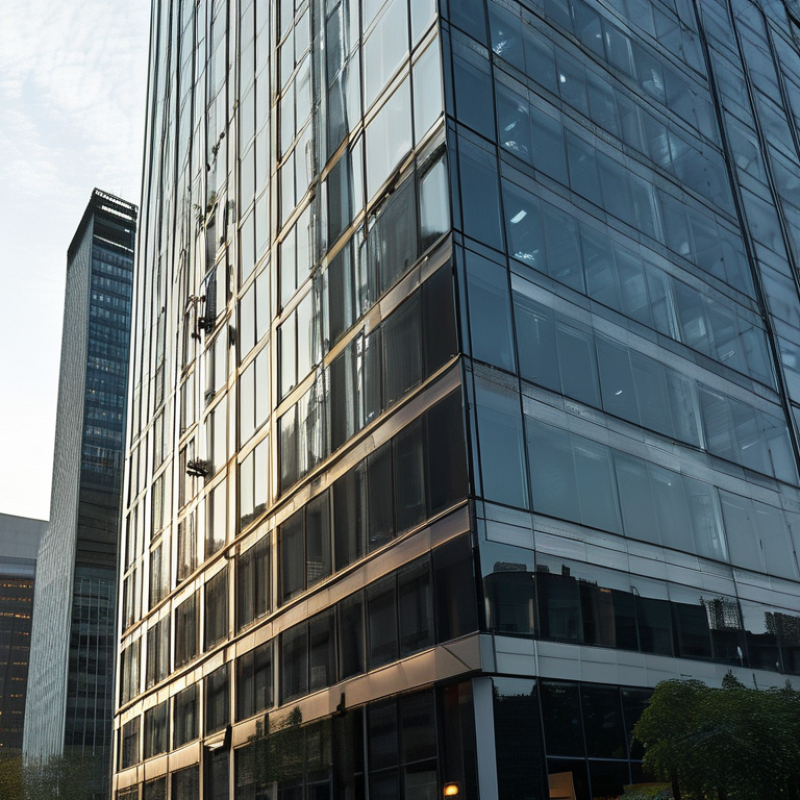
Installing fire-resistant glass not only meets legal standards but also adds value to buildings. It's vital for constructing safer environments. For instance, it can prevent the spread of flames and smoke. This is particularly important in high-rise buildings where evacuation routes must remain accessible. Fire safety is non-negotiable.
Tips:
- Consider testing various fire-rated glass options.
- Research local compliance documents.
- Collaboration with fire safety experts can also help in selecting the best materials.
While it may seem overwhelming, investing time in understanding these standards is beneficial. It’s about creating secure spaces without compromising style.
Cost-Effectiveness: Long-Term Savings in Property Damage Prevention
Fire-resistant glass offers significant cost-effectiveness through long-term savings in property damage prevention. When faced with fire hazards, the right materials can mitigate damage effectively. Investing in fire-resistant glass helps safeguard property, reducing costly repairs and losses over time. Traditional glass may shatter under heat, increasing risks and expenses. Fire-resistant options maintain integrity, providing security and peace of mind.
Consider where you install fire-resistant glass. Locations like commercial kitchens, schools, and hospitals greatly benefit from this material. Proper placement enhances safety, minimizing potential fire damage. Inspect regularly for any signs of wear; knowledge of maintenance can increase lifespan.
Think about future renovation plans. Fire-resistant glass not only serves a purpose but also adds aesthetic value to your property. Potential buyers or renters appreciate safety features, which can enhance overall property value. Fire safety becomes a priority in urban development—property owners should make informed choices for enduring benefits.
Aesthetic Versatility: Design Options without Compromising Safety
When considering fire-resistant glass, aesthetic versatility stands out. This type of glass offers a wide range of design options. Architects and designers enjoy freedom in creating safe, stunning structures. From sleek modern facades to classic designs, fire-resistant glass can match various styles effortlessly. The transparency of glass allows natural light to shine through, enhancing the beauty of interiors.
However, selecting the right design can be challenging. Not every style works perfectly with fire-resistant glass. Some combinations may compromise visual appeal or safety. It's crucial to strike the right balance. For instance, a bold frame can draw attention but may clash with the glass. Careful planning and consultation can help navigate these decisions.
Furthermore, while the glass is durable, its appearance can fade with time. Manufacturers often recommend appropriate maintenance to keep it visually satisfactory. Considering this, buyers must invest time in understanding long-term qualities. Fire-resistant glass can provide safety without sacrificing design, but awareness of its limitations is essential. The outcome can truly enhance a space, fostering both beauty and security.
Conclusion
Fire Resistant Glass offers numerous benefits for global buyers, making it an essential choice for enhancing safety in commercial properties. One of the main advantages is its ability to significantly reduce fire risks, providing crucial protection for occupants and assets. Additionally, this type of glass ensures regulatory compliance with fire safety standards across various regions, thereby minimizing legal liabilities for property owners.
Moreover, Fire Resistant Glass is a cost-effective solution that leads to long-term savings by preventing potential property damage due to fire incidents. Its aesthetic versatility allows designers to create appealing spaces without compromising safety, while also improving energy efficiency by enhancing thermal performance and insulation. As a result, incorporating Fire Resistant Glass not only safeguards investments but also contributes to sustainable building practices.